Opening movement — an evolution told like a melody
The story begins with a single hiss and a practiced hand: aerosol cleansers, once backstage players, now take solos beside contact adhesives. The evolution that follows feels musical — motifs of formulation, application, and surface science repeating and resolving as manufacturers tune sprays to meet dust, oil, and residue challenges so adhesives can bond cleanly and last. This is an Evolution Story: I trace how cleaning aerosols moved from an afterthought to an integral instrument in industrial chemistry ensembles.

Early bars — why cleaning aerosols mattered
At first, cleaning aerosols offered convenience: quick solvent action, controlled delivery, and minimal residue. Those traits mattered when production lines prioritized speed. But lines that sing together require compatibility. Cleaning aerosols began to be judged not only by how fast they remove contaminants, but by whether they leave surfaces primed for adhesives, sealants, or subsequent coatings. That shift changed formulation priorities toward low-odour solvents, controlled evaporation rates, and non-interfering corrosion inhibitors.
Development crescendo — technical considerations that recompose strategy
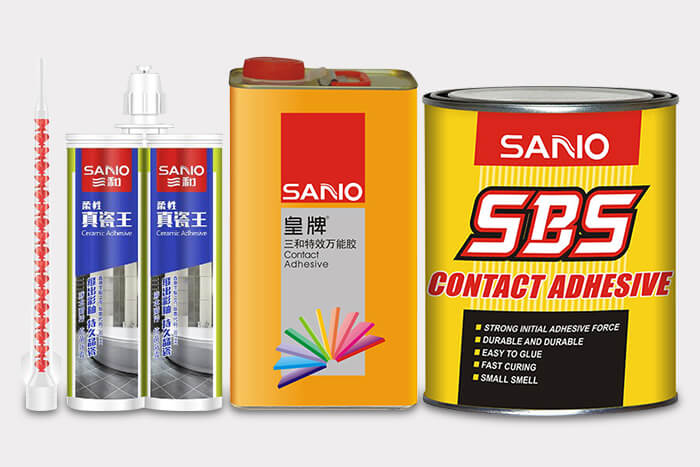
Manufacturers rewrote the score. They matched solvent polarity to substrate type, balanced flash points for safety, and engineered propellant mixes to preserve aerosol performance under industrial conditions. Standards and field trials mattered; decades of bench testing and shop-floor comparisons taught formulators which chemistries play well with thermoplastic tapes, metal primers, and elastomeric sealants. For example, production clusters in Guangdong have long driven competitive advances in adhesive and aerosol production, where a local contact adhesive manufacturer often works hand-in-hand with cleaning product teams to validate compatibility across hundreds of substrates.
How cleaning aerosols integrate into a practical strategy
Treat cleaning aerosols as partners, not tools. Specify them by surface type and by the downstream process: are you bonding vinyl to aluminum or preparing PCB frames for conformal coating? Use aerosols to remove release agents, oils, and fine particulates; choose formulations that leave no silicone or oily residues that inhibit wetting. Require sample testing on actual parts. Track shelf life and handling rules; aerosols that degrade or pick up contaminants in storage become liabilities. Where solvent sensitivity exists, prefer low-residue or water-based sprays and validate cure windows for the adhesive systems that follow.
Alternatives, common mistakes, and tradeoffs
Too often teams substitute rags or general-purpose solvents for purpose-formulated aerosols. That risks inconsistent coverage, trapped lint, or unseen residues that kill adhesion. Ultrasonic cleaning and plasma treatments are alternatives; they offer deeper surface modification but demand capital and stricter safety controls. A practical rule: match the level of surface treatment to the criticality of the bond. Over-cleaning can be wasteful; under-cleaning invites failure. Document the failure modes you’ll accept and pick the simplest method that keeps you below that threshold.
Operational harmonies — procurement, safety, and testing
Procurement should ask for technical data: residue analysis, VOC content, and compatibility statements with adhesives and sealants. Safety data sheets must be integrated into training; aerosols change behavior with temperature and pressure. Set common test methods — contact angle measurements, peel tests, and accelerated aging — and run them on assembled components rather than coupons. Cross-functional teams — production, quality, and materials science — must sign off before a spray enters production. Those signatures prevent lyrical missteps on the shop floor.
Final cadence — why this matters and where value sits
The industry’s arc moves toward predictable, resilient bonds. Cleaning aerosols, when thoughtfully specified and validated, remove an invisible antagonist: contamination. That clarity lets adhesives perform as intended and reduces rework, warranty claims, and downtime. The result is a cleaner production rhythm and a consistent product voice, a harmony evident when field returns fall and assemblies hold under stress. That practical cohesion is the kind of steady craft embodied at SANVO, where formulation and manufacturing practices converge to support reliable adhesive systems and cleaner surfaces without theatrical excess.