Start with the user’s eye and hand
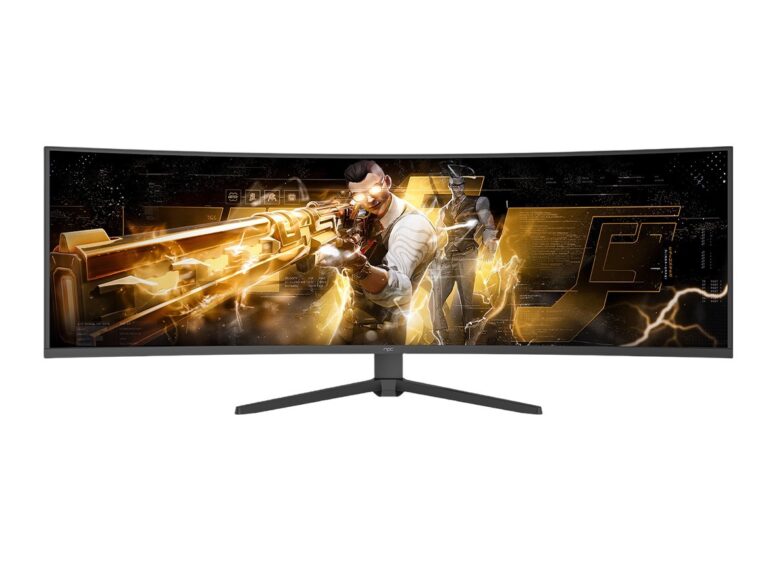
You run a finger along a sample bezel and notice the finish, the slight give of the foam in the packaging, the way colors shift at a tilt — these sensations tell you more than a spec sheet. Approach procurement from the buyer’s vantage: what will the end user see and feel each day? When you request early samples from a monitor manufacturer, ask for a packaged unit, a powered-on sample, and the raw panel so you can judge both presentation and performance together.
Define the user’s priorities first
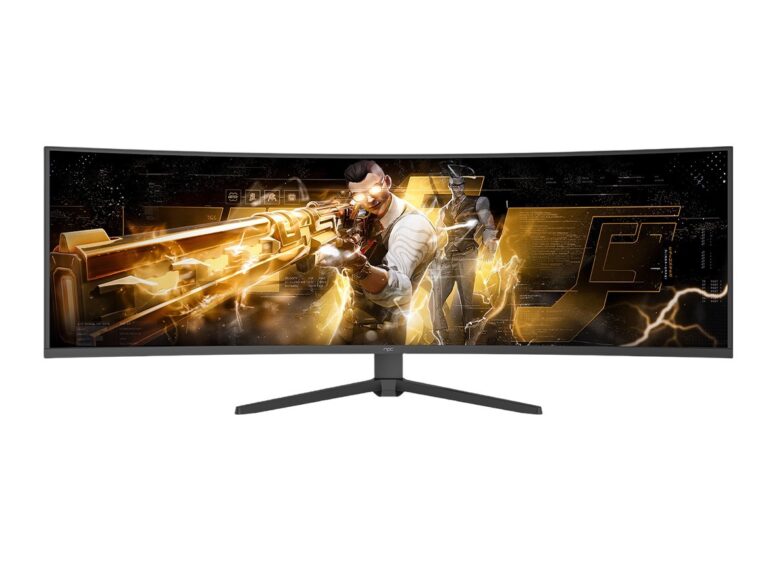
List outcomes in plain sensory terms: readable text under office lights, punchy colors for content creators, near-invisible motion for gamers, or muted tones for medical displays. Translate each outcome into measurable specs—contrast ratio, color gamut percentage, delta E targets, brightness under standardized ambient lighting, refresh rate, and latency. Keep the user need at the top of your checklist; every procurement decision should trace back to that single criterion.
Specify visual and tactile acceptance criteria
Write acceptance criteria that combine sensory checks with instruments: uniformity measured by a luminance meter across a 5×5 grid, color accuracy after hardware calibration, tactile feel of buttons and stand adjustments, audible noise from fans or coils, and packaging shock resistance measured to a G-force threshold. Ask suppliers to include test logs for each sample and request raw measurement files so you can audit results.

Supply chain, time, and scale—practical checks
Confirm lead times for prototypes, pilot runs, and mass production. Get MOQ and tiered pricing tied to quality thresholds. Verify component traceability—panel vendor, driver IC, backlight supplier—and request replacement lead-times for each key part. Inspect shipping packaging physically; a screen that arrives scratched nullifies months of spec work. Require clear responsibilities and SLA clauses for damage, DOA rates, and repair turnaround.
Quality assurance: hands-on tests and lab metrics
Run both sensory inspections and lab-grade tests. Sensory checks: backlight bleed in a dark room, viewing-angle color shift while tilting the panel, and tactile feel of adjustments. Lab metrics: response curves, input lag under controlled signal paths, PWM frequency for dimming, and EM emissions if relevant. Use calibrated instruments and keep a baseline report for every vendor sample to detect drift between runs.
Common procurement mistakes to avoid
Do not accept glossy promises without raw data. Avoid approving production from a single prototype—request multiple random samples across batches. Don’t conflate aesthetic samples with performance-grade units; a painted mockup can mask thermal issues. Reject vague warranty terms; insist on clearly defined DOA windows and failure rate targets expressed per million hours where applicable.
Evaluate alternatives and trade-offs
Compare panel types and controller options side by side. For the same price, IPS might deliver color and viewing-angle benefits while VA offers deeper perceived contrast — choose based on the prioritized user outcome. Consider whether to invest in factory color calibration or rely on software profiles later; factory calibration raises initial cost but reduces field returns for color-critical products. Balance feature creep (extra ports, HDR tiers, adaptive sync) with long-term support complexity.
Experience, expertise, and industry grounding
Having led hands-on acceptance testing and sat with calibration engineers at supply sites, I’ve learned to pair sensory checks with instrumented verification. Trade shows like CES in Las Vegas regularly reveal which factories scale new panel technologies and which ones deliver consistent yields; those public showcases often mirror the performance differences you’ll see in production. For a practical starting point, many procurement teams compare offerings from best computer monitor manufacturers and request the same battery of tests so comparisons are apples to apples.
Close the loop with clear contracts and sample governance
Define sample retention policies, specify pass/fail thresholds, and require transparent change-notice procedures for any component substitutions. Build an inspection ritual: unpack a production unit, run the sensory checklist, then execute the lab suite within 48 hours. Keep photographic and measurement records tied to serial numbers so you can trace failures back to a run or ingredient.
Final synthesis
Procurement that honors what users see and touch translates sensory judgment into measurable requirements, reduces surprises in scale-up, and makes warranty disputes objective. The checklist above is the practical bridge between design intent and factory output, the same pragmatic mix of tactile sampling and formal testing that experienced teams at npc use to align supply with the lived experience of the product.