What’s the problem — and why it’s biting your runs
Too many small fleets reckon they’re fine until a dodgy trip or a customer complaint blows out a delivery day. The core issue? Mismatch between what managers expect from a van fleet and what last‑mile ops actually need on the ground. The fix often starts with the right kit — like an AI dashcam that actually helps you see who did what, when, and how. From my hands‑on work fitting gear for courier crews around Auckland, the wrong terms and the wrong tech cost time, trust and tidy profit margins.
How this guide helps — problem-driven logic
I’ll name the common problems, map them to plain terms you need to know, and give practical tips you can act on straight away. No buzzwords. No fluff. Just the terms that’ll stop your team arguing at 6pm about whose fault a scratch is and help you sort the root cause tomorrow morning.
Key terminology you actually need
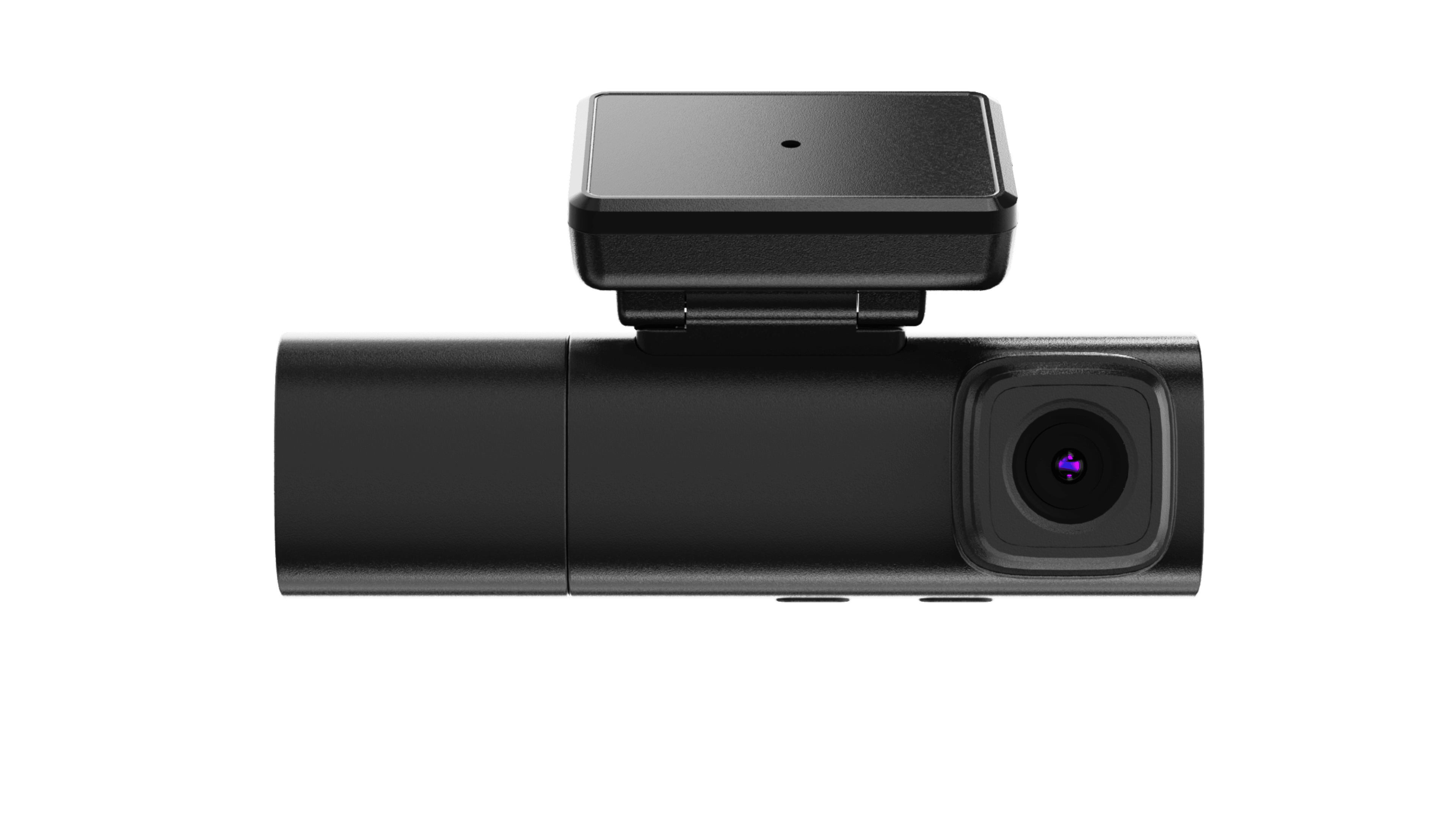
– Telematics: vehicle location, speed and route data sent from the van so you can check routes and idle time. – Event recording: video clips triggered by collisions or harsh braking; the bit that proves what happened. – AI driver behavior: automated scoring for things like harsh braking, tailgating or phone use — not perfect, but good for spotting trends. – Edge processing: cameras that analyse footage on the device so you don’t need to upload everything. Saves data and keeps privacy tighter. – Fleet management platform: the dashboard your ops team uses to see vehicles, jobs and alerts in one place. – dash cameras for fleet vehicles: purpose‑built cameras that combine event recording, GPS and often AI to turn incidents into evidence and coaching moments. These are the practical labels that let you talk with suppliers without getting spun out.
What usually goes wrong (and quick fixes)
– Thinking cameras alone solve behaviour problems. They show evidence but won’t coach drivers unless you follow up with consistent feedback. – Picking devices for price, not feature fit. If your routes are wet and narrow, you need cameras rated for vibration and rain. – Not agreeing on footage retention and privacy up front. Have a simple policy so drivers know what’s recorded and why. – Overloading the platform with alerts. Tune thresholds so managers see meaningful events, not noise. Fix those and you cut dispute time and get cleaner daily runs.
Choosing tech — what to check, quick
– Event fidelity: does the camera capture crisp clips at night and in tunnels? – Latency: how fast do you get an incident alert? Seconds matter for live intervention. – Local processing: devices that filter out non‑events save bandwidth and cost. – Integration: will the camera talk to your job management or payroll system, or will it be another silo? – Durability: vans get bumped. Make sure mounting and connectors are rugged. I’ve tested setups where a high‑quality unit saved a client hours per week in claims handling; cheap cams just created more confusion.
Common mistakes when interpreting camera data
– Taking AI flags as gospel. Use them as prompts to review, not as final judgement. – Assuming visibility equals causality. Just because a driver appears distracted doesn’t mean it caused an incident; check telemetry and route context. – Forgetting environmental factors. Narrow streets, weather or load balance can change risk — footage alone can mislead without context. If you treat camera footage like a starting point for investigation, you’ll avoid kneejerk penalties and build trust instead.
Alternatives and trade‑offs
– Basic dashcams: cheapest, record locally. Good for evidence but limited for live fleet control. – Full telematics + camera bundles: better situational awareness, higher cost and data use. – Edge AI cameras: higher upfront cost, lower ongoing data spend and smarter alerts. Match the option to your scale: smaller crews may not need live streaming, larger last‑mile ops benefit from AI filtering and faster alerts.
Quick implementation checklist
– Define the problem you want to solve (claims, coaching, routing). – Agree retention and privacy policy with drivers. – Pilot on a subset of vans for two weeks and measure dispute resolution time. – Tune alerts to reduce false positives. – Train managers to use clips for coaching, not punishment. These steps cut setup headaches and get you value quicker.
Wrap — what this means for your fleet
Sort the real problems first — disputes, wasted hours, dodgy routing — then pick tech that matches those needs. When you’ve got clear terms, sensible policies and cameras that suit the job, your vans stop being a risk and start being reliable assets. For operators who want that balance between evidence and usable insight, BSJ offers options that line up with the fixes above without overcomplicating things — proper kit that helps coaching, claims handling and daily runs all run smoother, sweet as.