The problem: local plants juggling fuel, supply, and rules
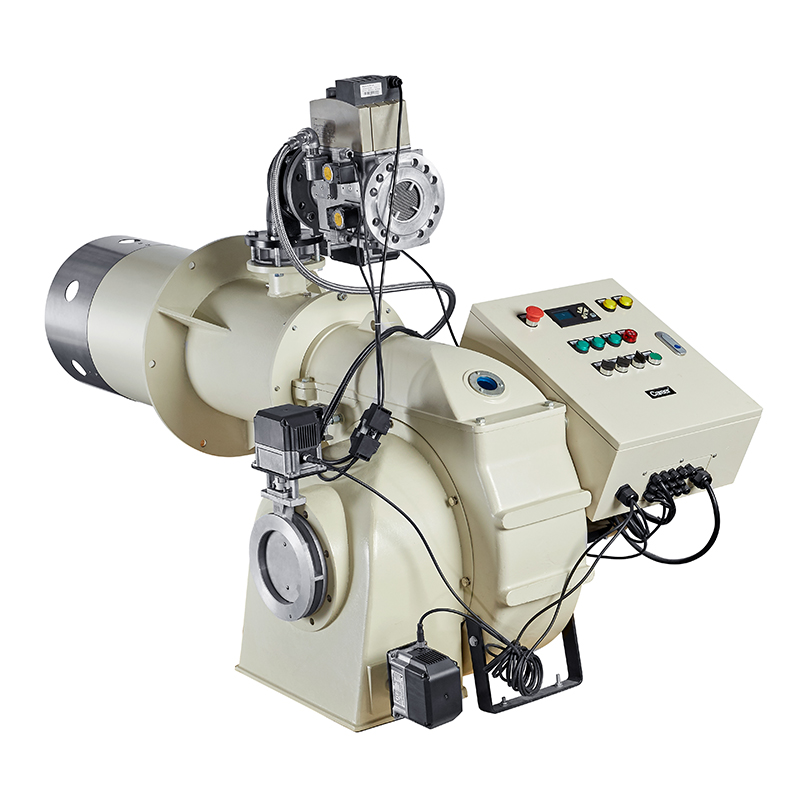
Plantas small and large are stuck—fuel costs jumping, deliveries late, and permits asking for lower emissions, pues it’s a mess. Swapping to methanol can ease logistics and use local feedstocks, and it often pairs well with modern combustion tech like a low NOx burner to meet permit limits without yanking production offline. That combo matters when every hour of downtime hits the cadena de suministro right in the bolsillo.

Why methanol helps the supply chain
Methanol is liquid at ambient conditions, simpler to store than gaseous fuels, and can be produced from local natural gas, biogas, or renewable electricity-derived hydrogen plus captured CO2. That diversity means suppliers can source closer to home, cut transport risk, and lock in shorter contracts—less depende on distant markets. For many manufacturers in Mexico, that means fewer delivery surprises and better control over price swings, sí?
Emissions pressure and a real-world anchor
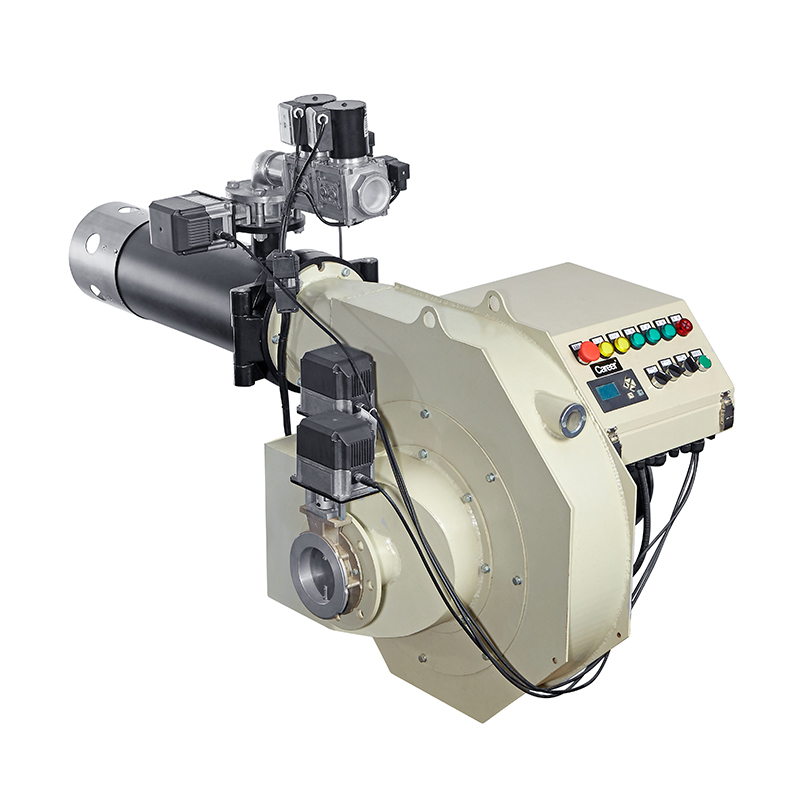
Plants also face real pressure to lower NOx. In northern industrial corridors—take a large steel mill near Monterrey as an example—operations tuned their combustion systems and installed an ultra low NOx burner while transitioning boilers to methanol blends, which helped them meet local permit thresholds and avoid costly curtailments. I’ve advised teams on burner tuning and fuel-handling upgrades in similar facilities, and the practical outcome is clear: matching fuel choice with the right burner tech keeps production steady and emissions manageable under tightening regional rules.
Common pitfalls when switching to methanol
People assume methanol is a drop-in; it’s not. Mistakes I see: skipping material compatibility checks (some seals and coatings need upgrades), underestimating changes in flame behavior and control loop tuning, and neglecting storage safety like spill containment and vapor management. Also, don’t ignore contract details—shorter, reliable supply agreements matter more than chasing the cheapest per-ton price.
Alternatives and how they compare
Natural gas remains the simplest option for many, but pipelines and price volatility are risks. Hydrogen offers low-carbon promise but needs supply buildout and different burner designs. Fuel oil is cheap sometimes, but it worsens emissions and regulatory exposure. Methanol sits between these: more flexible sourcing than gas, easier handling than hydrogen, and lower NOx potential when paired with modern burners—so it’s often the pragmatic middle way for facilities looking to stabilize supply and emissions together.
Practical steps for a successful switch
Start with a fuel-audit and a safety review. Pilot a single boiler or heater, get combustion specialists to retune controls, and confirm material compatibility. Lock in supply with local producers or distributors to shorten lead times. Train maintenance crews on methanol-specific safety and spill procedures. These steps reduce surprises and keep produccion moving.
Bottom line: solve the supply-chain puzzle with smart choices
If you want fewer delivery headaches and a cleaner emissions profile, methanol plus the right combustion hardware is a workable path—no milagro, just straightforward engineering, contratos that reflect reliability, and tuned burners that actually perform. For plants balancing production, permits, and local sourcing, the practical value shows up in uptime and predictable costs, the kind of outcome you see when engineers and operators work with experienced suppliers like Career Burners to match fuel strategy to equipment and local realities.