Quick lead: why comparison beats hype
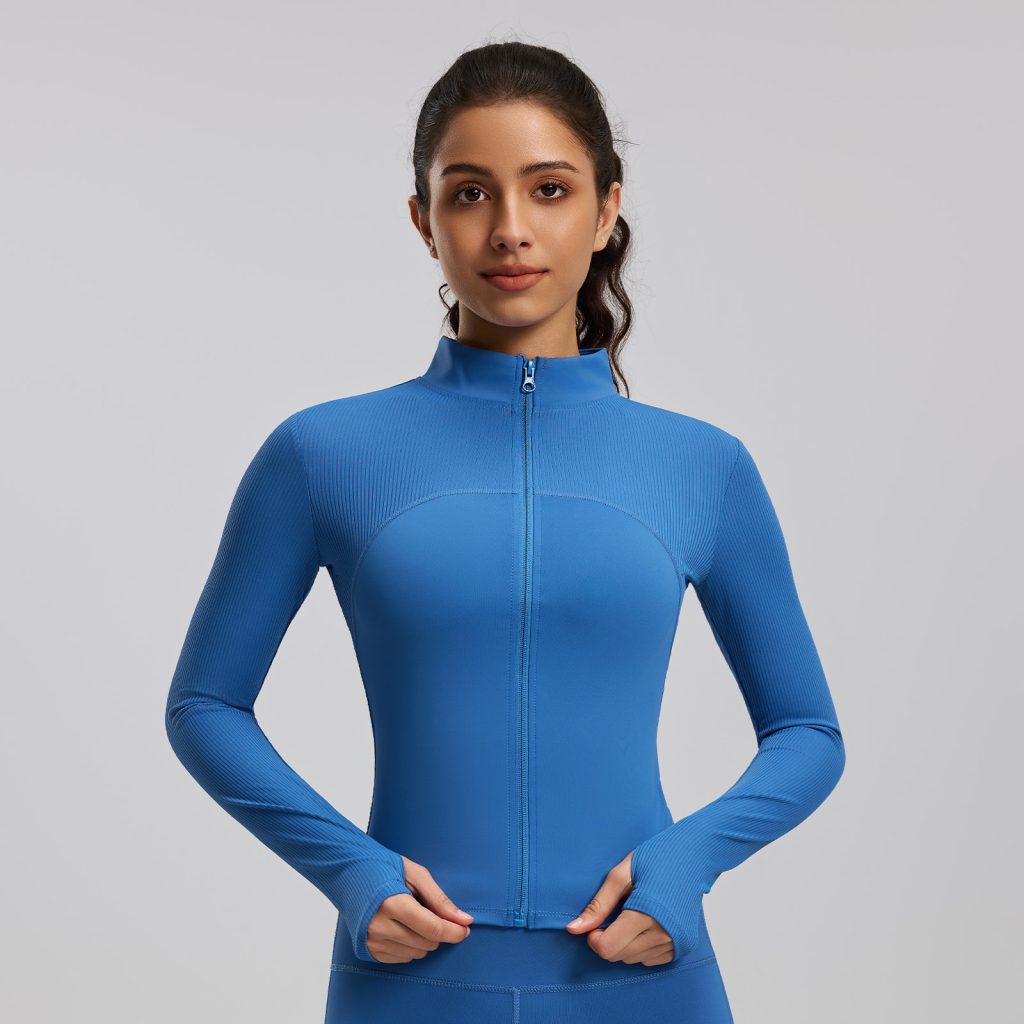
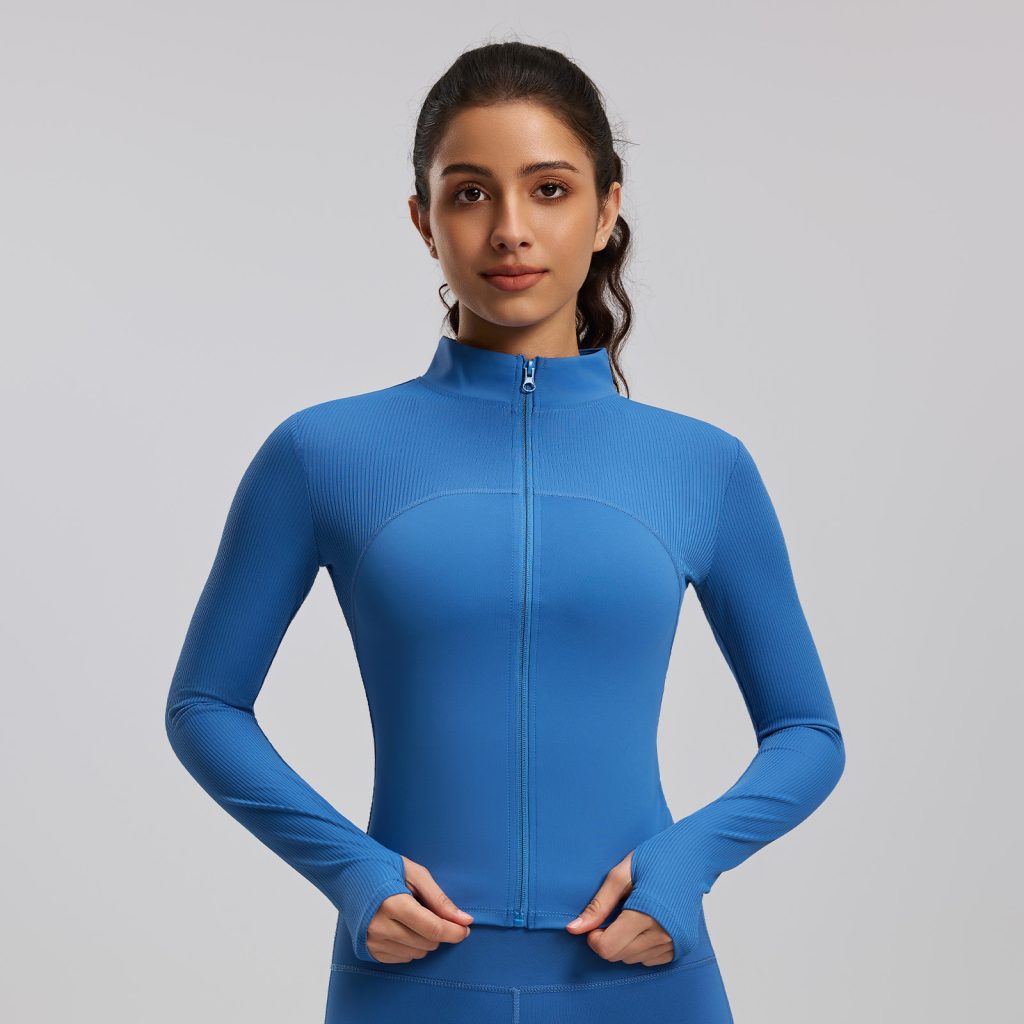
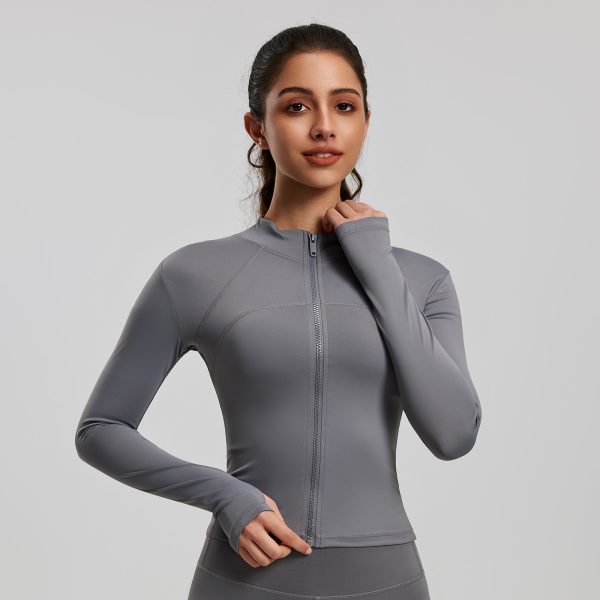
When you’re picking a maker for custom pieces, you need clear trade-offs instead of buzzwords. I’ve helped small studios and online shops scope tech packs and manage cut-and-sew runs, so I’ll keep this practical. If you’re ordering pieces that match a brand story, start by checking sample builds and materials — for example, look through a range of custom yoga jackets to see consistent stitching, fabric GSM, and functional details like zippers and thumbholes.
Core criteria to compare
Compare these five things first: quality, minimum order quantity (MOQ), lead time, customization flexibility, and shipping options. Industry terms matter here — a proper tech pack and a clear OEM agreement prevent surprises. Fabric choices like moisture-wicking blends and the right fabric GSM affect performance. Sublimation printing works for all-over graphics; screen printing is better for simple logos. Price gets you to the door, but quality and sampling get you repeat customers.
Real-world anchor and a short case study
Los Angeles studios often prefer small-batch runs to test designs before scaling. I watched one LA studio place two small bulk orders: the first used low-GSM fabric that faded after frequent washes; the second switched vendors, upgraded to midweight moisture-wicking fabric, and tightened the tech pack. The result: fewer returns and stronger member sales. That’s the value of a side-by-side comparison between makers.
Manufacturer profiles — what to expect
Think of three typical partners: local cut-and-sew shops, Asian OEM factories, and hybrid firms offering design support plus global logistics. Local shops make rapid prototyping easy and reduce lead time, but cost per unit is higher. OEM factories lower unit cost for larger bulk order runs but require solid tech packs and QC checkpoints. Hybrid firms help with packing specs and freight consolidation, which matters when you need consistent global shipping rates.
Common mistakes to avoid
Skipping samples to save time is the most common trap — prototypes catch fit and fabric problems before a full run. Miscommunicating tech pack details leads to mismatched seams or misplaced pockets. Relying solely on price also kills margins when returns pile up. — Also, don’t assume a one-size-fits-all sizing spec; regional sizing expectations differ, and brands must test fits in target markets.
How to vet a partner for wholesale and branding
Ask for three things: sample photos from previous runs, a clear QC checklist, and references that confirm on-time shipments. Verify their experience with wholesale yoga jacket programs if you need bulk fulfillment. Look for documentation on lead times per order tier, a commitment to pre-shipment inspections, and transparent communication about shipping windows and duties. If they offer warehousing or dropship options, that can simplify international rollouts.
Alternatives and trade-offs
If speed matters, prioritize local production or a nearshore partner with lower lead time. If margin matters, prioritize an OEM with strong freight consolidation. If brand detail matters, favor a maker that accepts small custom runs and handles complex finishes like bonded seams or reflective trims. Each path costs something — time, cash, or design latitude — so pick what aligns with your launch goals.
Three golden rules for picking the right maker
1) Confirm one sample that hits final specs before committing to a bulk order; consider fit, fabric GSM, and wash testing. 2) Lock down a tech pack and a QC checklist that both sides sign off on; include measurements and acceptable tolerance ranges. 3) Factor in landed cost, not just FOB: duties, insurance, and regional warehousing affect unit economics.
Working with a partner that nails these things makes scaling honest and less painful — and that’s precisely the kind of value Joebond offers to brands looking to move from prototypes to consistent global shipments — a real solution, not just talk. —