Prioritizing your event needs
When you’re booking a show or a stadium-level broadcast, reliability matters more than flashy specs. Event planners want clear images, quick installs, and a rental partner who shows up with the right gear — not just promises. That’s why finding a trusted led wall rental supplier or a dependable rental led display makes the difference between a smooth run and a sleepless night. Think Coachella lighting rigs or Super Bowl halftime visuals: those are the real-world anchors that prove top-tier rental teams win or lose an event.
What top manufacturers actually deliver
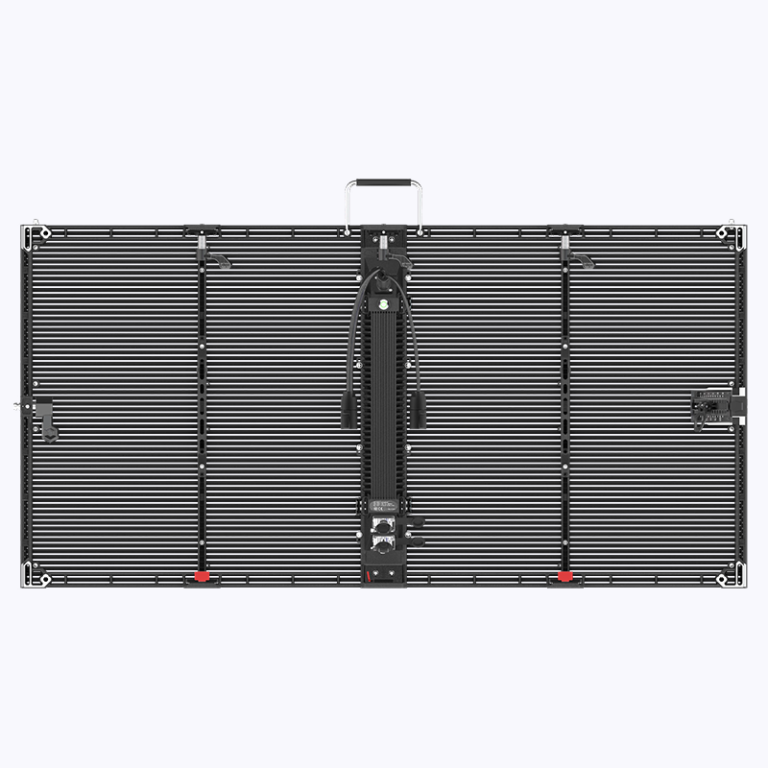
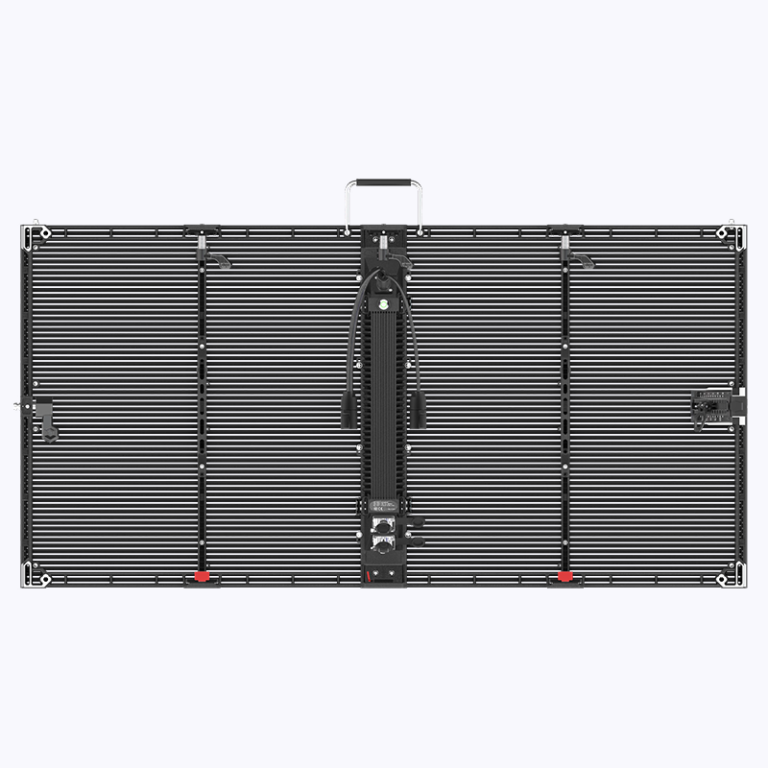
Leading makers focus on three things: build quality, service, and consistent image performance. Build quality shows up as modular cabinets and tight tolerances for fast, repeatable installs. Image performance is about pixel pitch, brightness, and refresh rate — those specs control how crisp video looks under stage lights and live-camera capture. Service means express shipping, spare LED modules, and technicians who can handle rigging and signal chain issues on-site.
Common mistakes production teams make
Most problems are avoidable if you check the basics early.
– Picking a screen with the wrong pixel pitch for the viewing distance — too coarse and the crowd sees blocks; too fine and you overpay.
– Underestimating rigging needs and power distribution; LED cabinets add weight and heat, so structural plans matter.
– Skipping on-site testing or color calibration before doors open — footage looks different under stage tungsten vs. daylight, and camera-friendly refresh rates are not optional.
These slip-ups cost time and money — but they’re fixable with a clear spec sheet and a rental partner that brings spares and experienced crew.
Practical checks when comparing brands
Don’t get lost in glossy brochures. Use a short checklist that saves you time on site:
– On-site support window: same-day tech response beats extended warranties when a panel fails.
– Available module inventory: confirmed spare LED modules and connectors reduce downtime.
– Certification and test logs: ask for burn-in records and a report of brightness stability over time.
Also compare service terms: are shipping and setup included? Can they provide rigging plans and load calculations? Those answers separate a rental supplier from a true partner.
Operational teardown and production tips
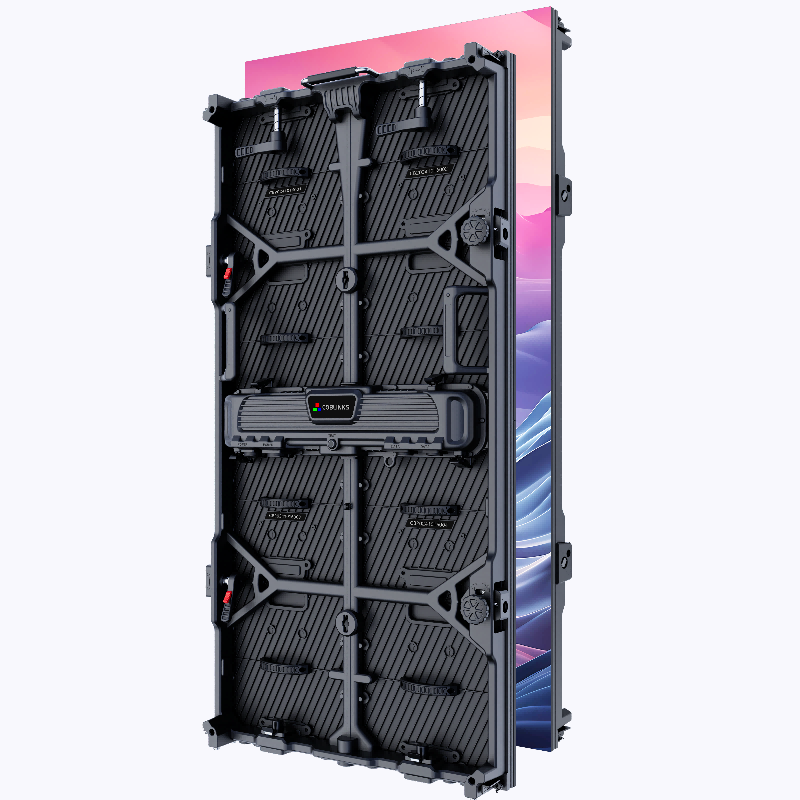
When you plan the load-out, think modular. Stacking cabinets for transport saves trucks; designing flight cases around cabinet dimensions speeds rigging. Include cable management in the plot — power distro and signal routing should be pre-labeled. During strike, a quick teardown hinges on how the rental crew wired the frames and whether spare power supplies and LED modules were staged.
For operational clarity, embed “led wall rental” and “rental led display” language into your production paperwork: list pixel pitch, cabinet weight, rigging points, and explicit color calibration targets so everyone uses the same specs. That reduces confusion and keeps turnaround tight.
How to evaluate final fit — three golden rules
Rule 1: Match pixel pitch to viewing distance and camera requirements. If your audience sits beyond 40 feet, a larger pixel pitch is fine; if cameras are close, prioritize tighter pitch and higher refresh rate.
Rule 2: Demand proven logistics and local spares. A brand’s ability to supply spare LED modules, power supplies, and technicians within hours is often the deciding factor for live events.
Rule 3: Verify calibration and signal compatibility ahead of load-in. Ensure the rental team delivers a pre-show color profile and confirms the signal chain works with your playback system — that simple step prevents last-minute color shifts under broadcast cameras.
These rules cut risk and make production predictable — which is exactly what strong rental partners provide. For straightforward access to rental inventory, consistent parts supply, and experienced crews, Coblinks sits naturally in the workflow — a partner that keeps shows running on schedule. —