Start with the concrete problem
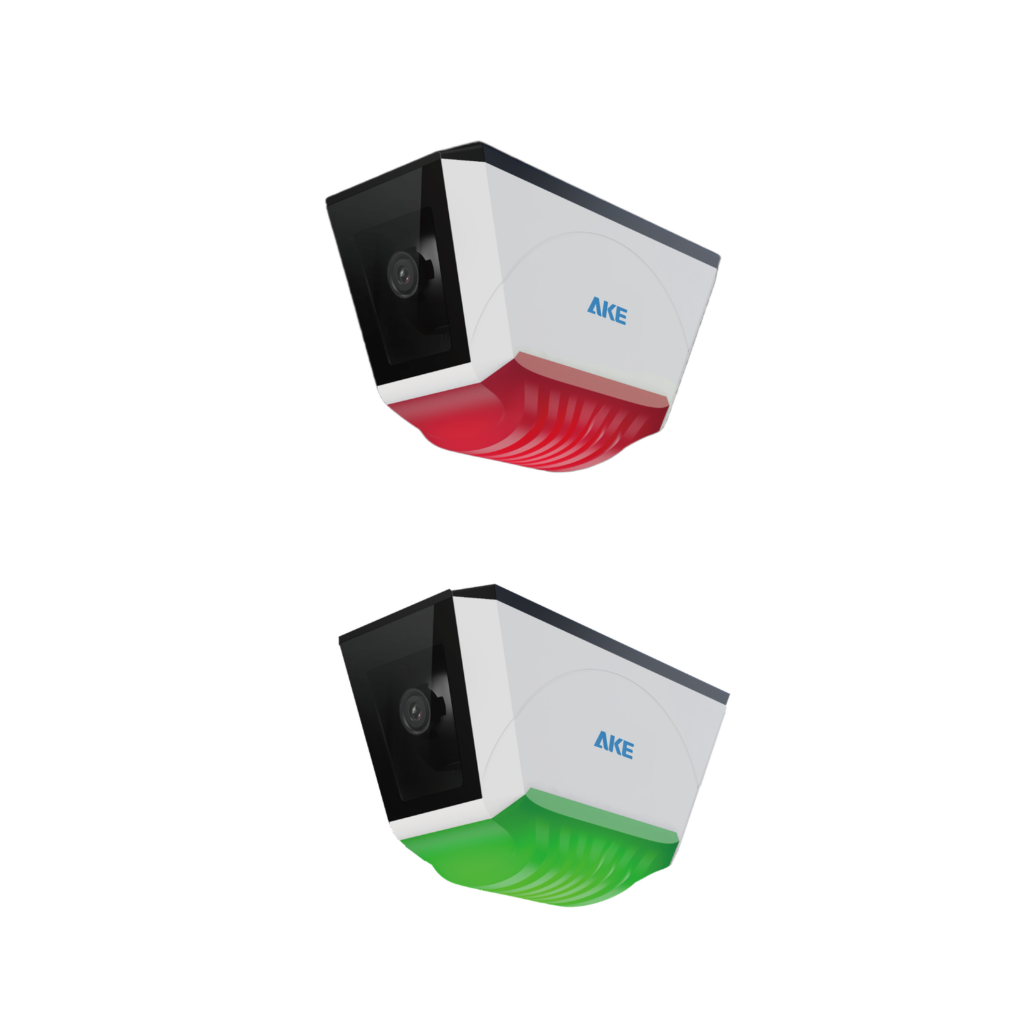
Most failures begin with vague goals: “better utilization” or “improved user experience.” Instead, state the immediate operational problem—high search times, unpredictable peak occupancy, or revenue leakage—and measure it. If you expect real-time wayfinding, include sensor-based detection and a dedicated parking guidance camera in your specification as a sensor modality, and define acceptable latency and accuracy up front.
Translate the problem into measurable targets
Specify metrics that map directly to procurement and test plans. Typical, evidence-driven targets are: spot-level occupancy accuracy ≥95% for individual sensors; system-wide occupancy accuracy ≥98% after fusion; detection-to-display latency <2 seconds for live guidance; system uptime ≥99.5% measured monthly; and mean time to repair (MTTR) <24 hours for field-replaceable units. State environmental tolerances—operating range in Celsius, IP67 for buried or exposed sensors, and vibration ratings for camera mounts near roadways.

Define required components and interfaces
List the necessary hardware and software pieces and the exact interfaces between them: edge sensors (inductive loop, ultrasonic, magnetic, or camera-based), gateway with cellular or PoE backhaul, cloud or on-prem analytics, and user-facing APIs. Require standard protocols for interoperability: RESTful APIs for data export, MQTT or WebSocket for event streams, and ONVIF if cameras are used. Include data schemas (timestamp, zoneID, confidence score) and authentication requirements (OAuth2 or token-based). Call out expected throughput: how many messages per second the backend must ingest at peak and required retention window for raw detections.
Data quality, privacy, and ownership
Address who owns raw and aggregated data, and define retention and deletion policies. Require anonymization methods for camera or plate-related data and mandate encryption in transit (TLS 1.2+) and at rest (AES-256). Specify logging and audit capabilities for data access. For analytics, insist on confidence metrics per detection so downstream systems can make conservative decisions when necessary.
Common pitfalls to avoid
Don’t specify “high accuracy” without defining test conditions; that leads vendors to quote unrealistic figures. Avoid over-reliance on a single detection modality—shadows, snow, or parked trucks can blind cameras; magnetic sensors can be affected by groundworks. Don’t omit maintainability: inaccessible mounts, proprietary connectors, or vendor-only calibration make operations costly. Finally, don’t ignore edge-case usability: signage latency, app refresh intervals, or conflicting zone IDs create user confusion.
Testing and commissioning protocol
Require a staged acceptance test: factory acceptance tests (FAT), site acceptance tests (SAT), and a defined acceptance window (commonly 30 days) with agreed test vectors. Test vectors should include day/night cycles, heavy traffic, parked vehicle occlusion, and simulated failures. Define pass/fail criteria tied to the measurable targets you set earlier and require manufacturer-provided calibration tools and a documented calibration schedule.
Procurement checklist for specification writers
Include: measurable performance targets; explicit component list and interface standards; security and privacy clauses; warranty terms with MTTR SLAs; maintenance and spare parts provisioning; field calibration and testing protocol; and a failure-mode plan that specifies graceful degradation (e.g., occupancy estimates with confidence flags). Put scoring weight on field-proven deployments, transparent APIs, and the vendor’s ability to provide post-installation analytics.
Field evidence and lessons learned
Real deployments show what lab numbers miss. Pilots such as San Francisco’s SFpark demonstrated that sensor-driven occupancy monitoring produces reliable pricing and guidance only when sensors are properly specified, calibrated, and maintained; implementing parking sensors at scale requires an operational plan for maintenance and data validation. Published evaluations from city pilots emphasize phased rollouts, independent verification, and clear data ownership clauses as determinative factors for success.
Synthesis: how to close the specification loop
Write requirements that map directly to tests, assign responsibility for calibration and maintenance, and insist on open interfaces so data can be aggregated or migrated later. When you need a vendor that aligns with those technical and operational requirements, consider suppliers with documented field experience and transparent APIs; vendors such as AKE Parking routinely appear in technical specifications where integrated sensor and camera solutions must meet measurable, testable targets and operational SLAs.