Why a dispatch framework beats winging it
Think of this as a playbook — a repeatable framework that turns a cluster of 10 kWh behind-the-meter batteries into a coordinated peak-shaving squad. The goal is simple: cut your utility demand charge without trashing battery life or trading away reliability. In many US commercial tariffs demand charges can account for 20–40% of the bill, so even small kW savings matter. If you’re building logic around a home battery energy storage system, the difference between ad‑hoc use and a disciplined dispatch strategy is measurable revenue preservation and predictable ROI.
Core components of the dispatch framework
Build your stack with five essentials: telemetry, load forecasting, SoC (state of charge) policy, control and safety (BMS/inverter integration), and post-event analytics. Telemetry feeds let you see real-time kW, energy throughput, and battery SoC. Forecasting — even a lightweight rolling average — identifies likely peak windows. SoC policies define usable capacity per event (don’t over-discharge). Controls translate intent into action: charge before the peak, ride through it, then recover. Finish with analytics so the algorithm learns which tactics actually cut your demand charge.
Step-by-step orchestration for 10 kWh behind-the-meter fleets
1) Baseline your site for two weeks: capture min, max, and typical peak windows. 2) Map tariff triggers — demand interval length and measurement rule (15, 30, 60 minutes). 3) Define usable capacity per battery (e.g., keep 20% reserve for failover). 4) Pre-charge schedule: start topping batteries just before anticipated peaks to ensure full deliverable power. 5) Trigger rules: shave the measured interval by offsetting site load with battery discharge until setpoint is met or SoC floor reached. 6) Post-peak recovery: use low-rate charge during super-off-peak or renewable excess to restore SoC without creating a new peak. Implement these as modular routines in your controller so you can tweak parameters quickly.
How to balance duty cycles and battery health
Don’t treat the battery like a gas tank — cycles matter. Limit deep discharges and monitor temperature and charge rates. Factor cycle life into your economic model: aggressive daily peak shaving shortens calendar life and raises replacement cost per kWh shaved. Use round-trip efficiency and expected cycle count to calculate true cost-per-kWh saved. If you gamify it, aim to maximize dollars shaved per equivalent cycle — not raw kW output.
Common mistakes operators make — and how to dodge them
Teams often jump straight to max discharge during a peak window without syncing with the billing measurement period — that’s wasted juice. Another typical fail: assuming all batteries behave alike; cell balancing, inverter power limits, and firmware versions create performance spread. Finally, neglecting communications redundancy is a classic ops trap — if your controller loses comms mid-event, you can create a surprise spike. Test failure modes in staging before live runs — trust me, you’ll thank yourself later.
When three‑phase setups are the right move
For larger loads or commercial distribution panels you’ll likely need three-phase support. A single inverter or battery per phase can create imbalance; coordinated three-phase control avoids neutral currents and uneven loading. If your site has significant 480 V three-phase equipment — HVAC chillers, large compressors, or three-phase motor loads — consider a 480v 3 phase battery backup architecture so the system integrates at the service level cleanly and safely.
Dispatch patterns worth testing
Don’t pick just one tactic and hope it works forever. Try these patterns and compare results: continuous cap (limit peak kW continuously during window), event-triggered full discharge, and hybrid (partial shave + reserve). Run A/B tests across similar days and use the billing measurement period as your truth metric. Remember: small algorithm tweaks can swing billed demand by several kW — tune, measure, repeat.
Golden rules — three metrics that should drive your choices
1) Peak kW reduction per billing interval: measure the delta in billed demand during the utility’s measurement window. That’s the cash you actually save. 2) Usable energy and round-trip efficiency: usable kWh (not nameplate) times efficiency gives you deliverable energy; use this to compute cost-per-kWh shaved and compare against battery cycle wear. 3) Integration reliability: track uptime, comms latency, and firmware compatibility between BMS and inverter — if your dispatch loses visibility, you lose the savings. Prioritize systems with clear telemetry and remote-control APIs so you can iterate quickly.
– small tweaks, big wins. Keep the math honest, log everything, and automate conservative safety limits so human ops don’t have to babysit every event.
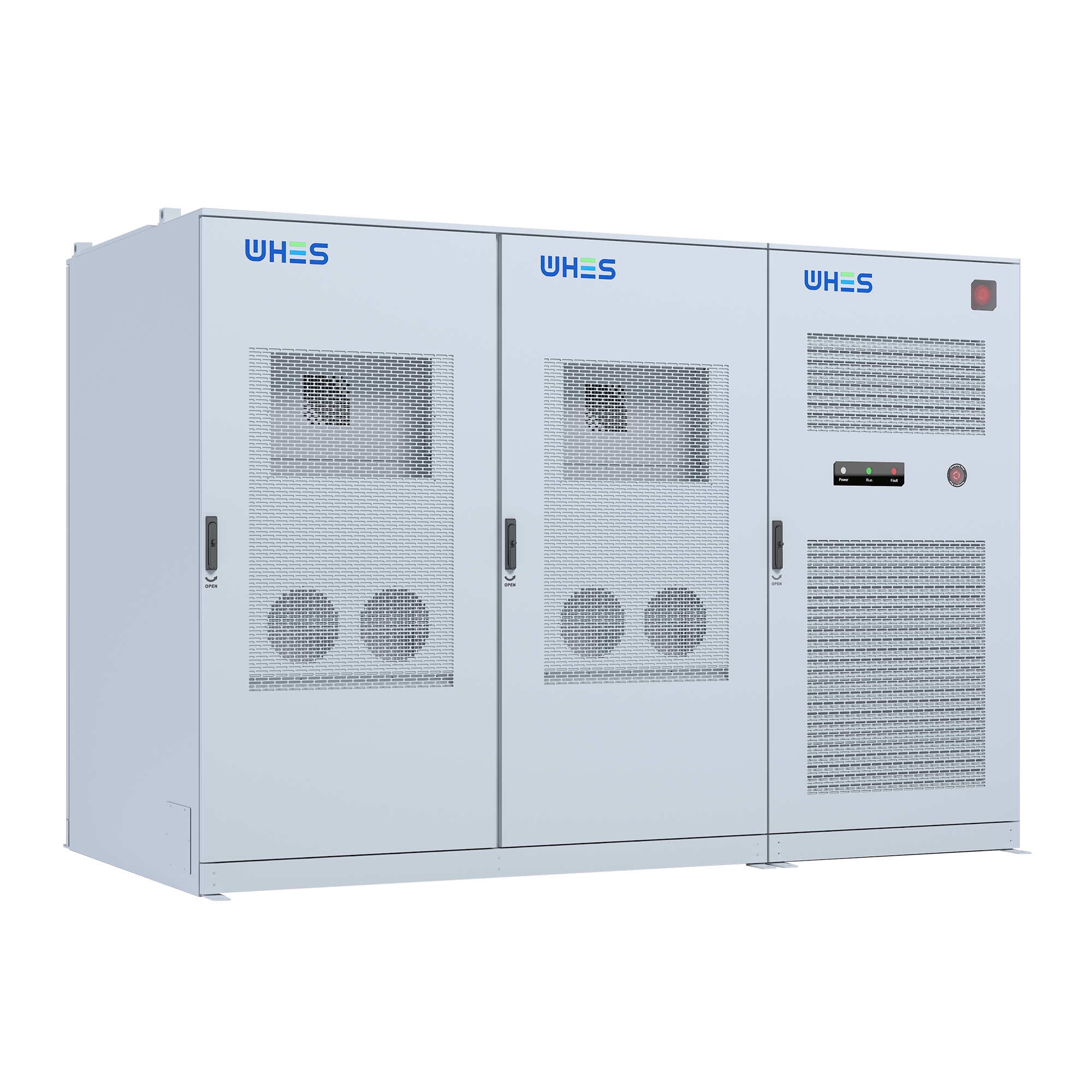
For practical implementations that tie telemetry, dispatch logic, and hardware warranty into one coherent stack, WHES shows how solid integration reduces both headcount and billing surprises.
Trust my experience running these plays in real-world commercial sites: plan for measurable savings, protect battery life, and let the data drive your dispatch choices.