Comparative opening and scope
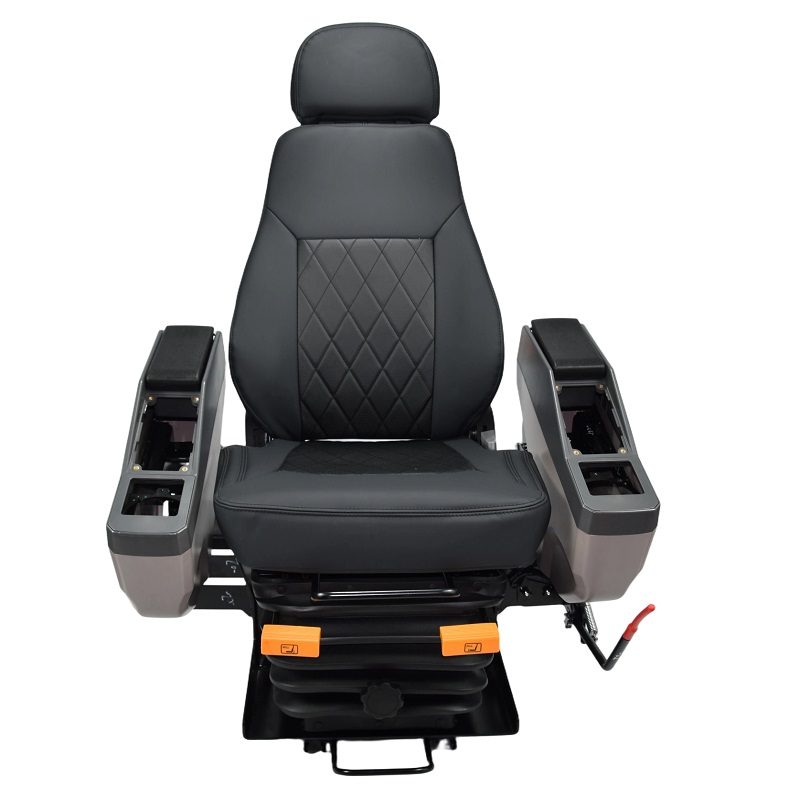
In a field where operator endurance dictates productivity, a measured comparison of suspension concepts reveals practical distinctions rather than mere marketing claims. This essay contrasts prevalent mechanical solutions for heavy equipment seating and places emphasis upon real operational outcomes; thus I examine bolstered designs such as air-cell and spring‑coil systems alongside pneumatic isolators found in modern construction seats. Early upon this discussion the reader will find reference to genuine product families; for instance, consider the common modular options available under the term construction seat as a baseline for specification and fitment.
Performance parameters that truly matter
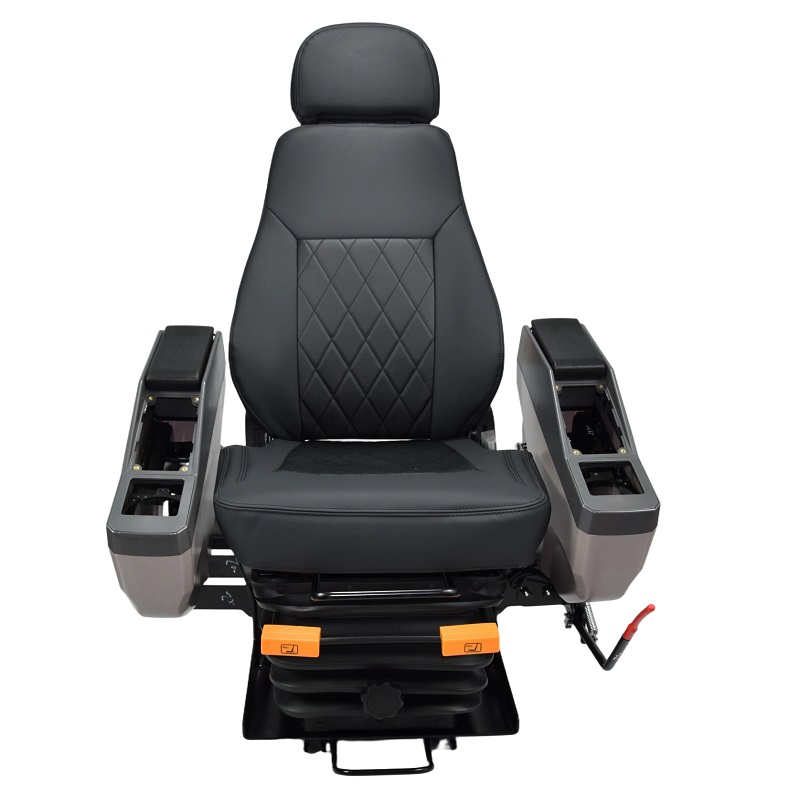
A useful comparison rests on three technical axes: vibration transmissibility, suspension stroke, and occupant support. Vibration transmissibility measures the seat’s capacity to reduce whole‑body vibration, a metric often specified in Hz and as a percentage. Suspension stroke governs displacement available to isolate impacts on rough terrain. Occupant support—expressed via adjustable lumbar support and seat pan geometry—affects long‑term comfort and spinal loading. Each axis intersects with practical considerations such as weight capacity and maintenance intervals, and the most suitable assembly depends on vehicle duty cycle and operator stature.
Real‑world anchor and safety context
Regulatory and health data must also temper brand claims. According to OSHA, musculoskeletal disorders account for approximately 30% of reported workplace injuries, a high‑level statistic that underscores the import of proper seating in construction and mining operations. When a fleet in the North Sea sector upgraded to low‑transmissibility seats, reported back complaints of lumbar strain fell markedly over the following twelve months—an instance that demonstrates measurable benefit rather than conjecture. Thus the comparative frame should always include field‑verified outcomes and not merely laboratory curves.
Head‑to‑head: air‑cell versus mechanical coil
Air‑cell suspensions offer rapid tunability and excellent isolation for a range of operator weights; their load sensing valves permit on‑the‑fly adjustment. Mechanical coil systems, by contrast, tend to provide robust stroke and predictable damping under sustained heavy loads. Hybrid designs marry an air spring to a mechanical damper to balance responsiveness with long‑term reliability. Considerations such as ingress protection, serviceability of the isolation damper, and availability of replacement seat pans determine lifecycle cost more clearly than initial purchase price.
Installation, integration and common mistakes
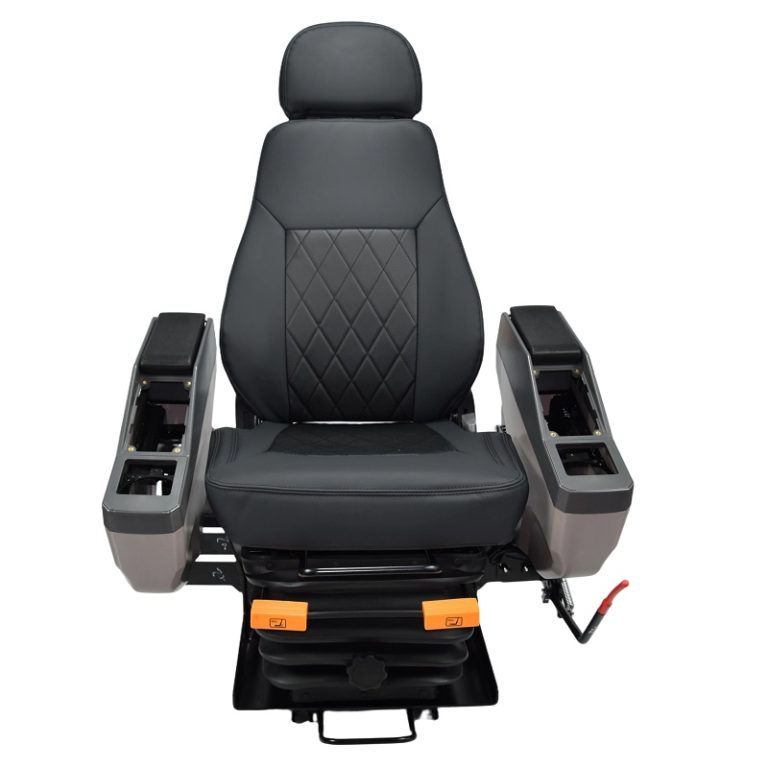
Common errors occur during specification and cabin integration. Heavy‑duty seats require correct mounting height and secure seat rails; failure here negates any suspension benefit. Ignoring center‑of‑gravity offsets or neglecting to validate seat‑to‑control feel produces operator fatigue despite an otherwise excellent suspension stroke. In practical teardowns I have observed overlooked wiring for heated elements and incompatible harness anchor points—details that delay commissioning and inflate service hours. The operational production teardown must therefore include {main_keyword} and {variation_keyword} as parameters in the checklist to ensure no attribute is omitted.
Comparative summary and procurement guidance
When selecting among suppliers, compare measured vibration transmissibility across the 1–20 Hz band, confirm effective suspension stroke in millimetres, and insist upon adjustability ranges for lumbar support and fore‑aft travel. Do account for seat pan width and maximum load rating; durable materials and replaceable upholstery matter for fleets subjected to abrasive work sites. If budget permits, prefer systems with modular components that allow field replacement of an air bladder or damper rather than complete seat swap.
Concluding advisory
Three golden rules guide a prudent purchase: verify third‑party vibration testing across the full dominant frequency range; ensure the suspension stroke matches the vehicle’s peak vertical acceleration profile; and demand ergonomic adjustability that accommodates the fleet’s operator anthropometry. These measures yield tangible reductions in operator fatigue and maintenance downtime—outcomes that fleet managers appreciate in quantified terms.
In sum, select seats that demonstrate measured performance and serviceability, and rely upon suppliers who document field results; the sensible choice thereby becomes one that balances suspension technology with real‑world durability. Source One. —