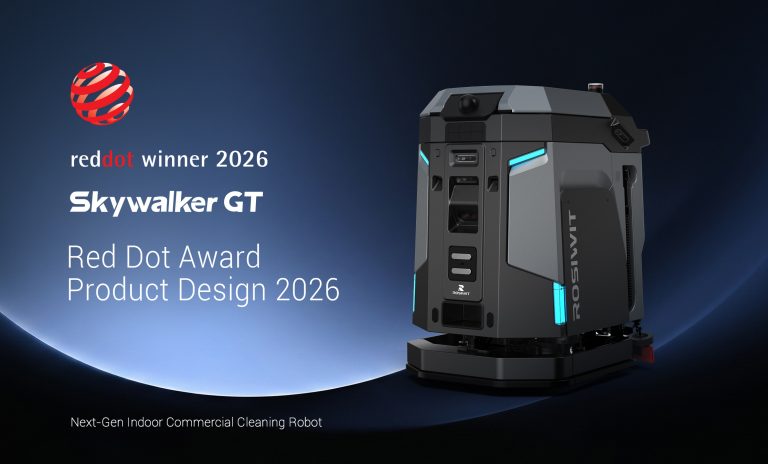
Start with what your site really asks for
Pick a scrubber the way a parent picks a stroller: match it to daily use, not just features. For many facilities that saw cleaners pulled thin during the COVID-19 pandemic, automation became a dependable partner — airports and hospitals increased deployments to reduce staff exposure and maintain consistent sanitization. A practical first pass is to test an autonomous cleaning robot on your busiest corridor and observe uptime, navigation smoothness, and cleaning coverage. Look for clear indicators like SLAM-driven mapping and reliable battery runtime so the machine finishes its scheduled route without mid-shift surprises.
Core specs that affect daily performance
Turn technical specs into simple expectations. Mean time between failures, brush width, tank capacity, and charging cadence translate directly to labor hours saved. Keep an eye on cleaning path optimization and navigation sensors — these decide whether the robot hugs corners or repeatedly misses edges. Also note maintenance touchpoints: squeegee replacement, filter access, and brush change should be quick and tool-free. When teams can service a unit in minutes, downtime drops and trust rises.
Side-by-side: compact vs. full-size systems
Commercial facilities typically pick between compact auto floor scrubber models and full-size ride-ons. Compact units win in narrow aisles, restrooms, and food courts because they turn tight corners and store easily. Ride-ons cover large open floors faster but need dedicated charging docks and clear traffic lanes. Compare throughput: a compact unit with efficient brush design might match a larger machine on fragmented schedules because it spends less time relocating. Include real operating constraints — elevator sizes, door widths, and storage bays — in your comparison matrix.
What brands solve versus what they promise
Focus on how a brand supports on-site reality. Training, spare-part availability, and software updates shape lifetime value. Some vendors push advanced sensors and cloud analytics; others concentrate on rugged hardware and simple interfaces. Match vendor strengths to your staff skills. If your crew prefers straightforward controls, prioritize intuitive dashboards over flashy analytics. During trials, log how a unit handles cluttered areas and transient obstacles — that’s where autonomy earns its keep.
Common mistakes that waste time and money
Avoid buying to the spec sheet alone. Choosing a model because it boasts the largest tank or fastest top speed often leads to underperformance in complex environments. Overlooking service network coverage is another frequent misstep — a promising machine sits idle without local parts. And don’t ignore floor finish compatibility: some squeegees or brush materials can dull or streak certain coatings. Also, when reviewing operational readiness, include {main_keyword} and {variation_keyword} in the checklist so procurement and maintenance teams speak the same language — it simplifies handoffs and the production teardown.
How to run a meaningful pilot
Design pilots that mirror peak demand windows, not quiet mornings. Run the scrubber across varied surfaces — tile, sealed concrete, and polished stone — and log changes in cycle time. Measure real metrics: area cleaned per hour, mean battery cycles per shift, and mean time to clear an unexpected obstacle. Train two different operators and record any variation in results; consistent performance across users shows a forgiving interface. — Note minor fixes now, rather than after a fleet purchase.
Three golden rules before you sign
1) Prioritize uptime: confirm local parts and service contracts minimize mean downtime. 2) Match toolset to traffic flow: choose compact units for fragmented layouts and larger scrubbers for open-plan floors. 3) Validate human factors: confirm staff can dock, empty, and run the unit in under five minutes. These metrics translate into measurable savings and clearer staff adoption curves.
Closing thought
Adopt a scrubber that fits daily realities and supports the people who run it — the right compact auto floor scrubber becomes part of the crew, not a problem to manage. The practical choices you make now pay off in fewer interruptions and steadier cleanliness standards. Rosiwit. —