Problem-driven opening: why tests must find what stealthy failures hide
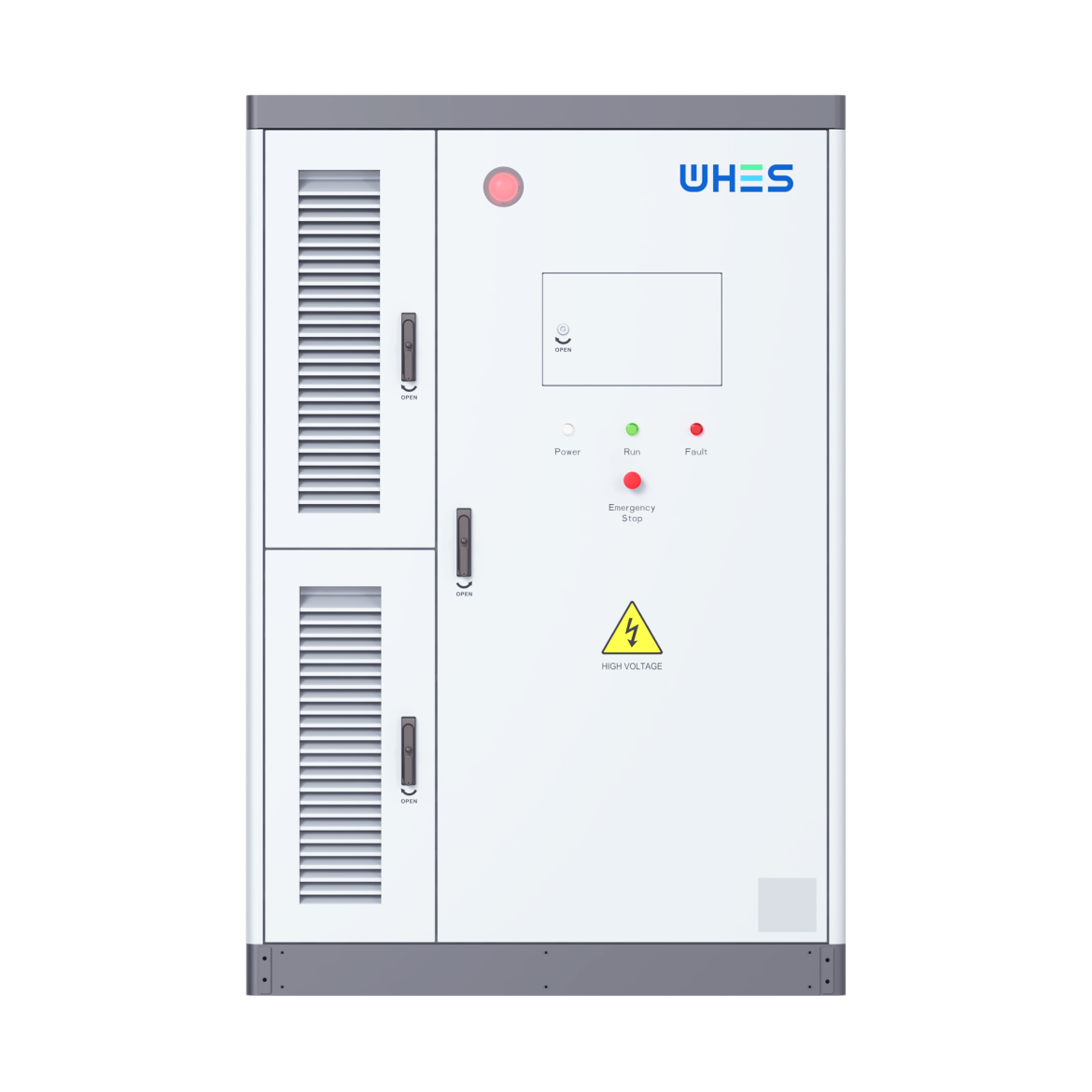
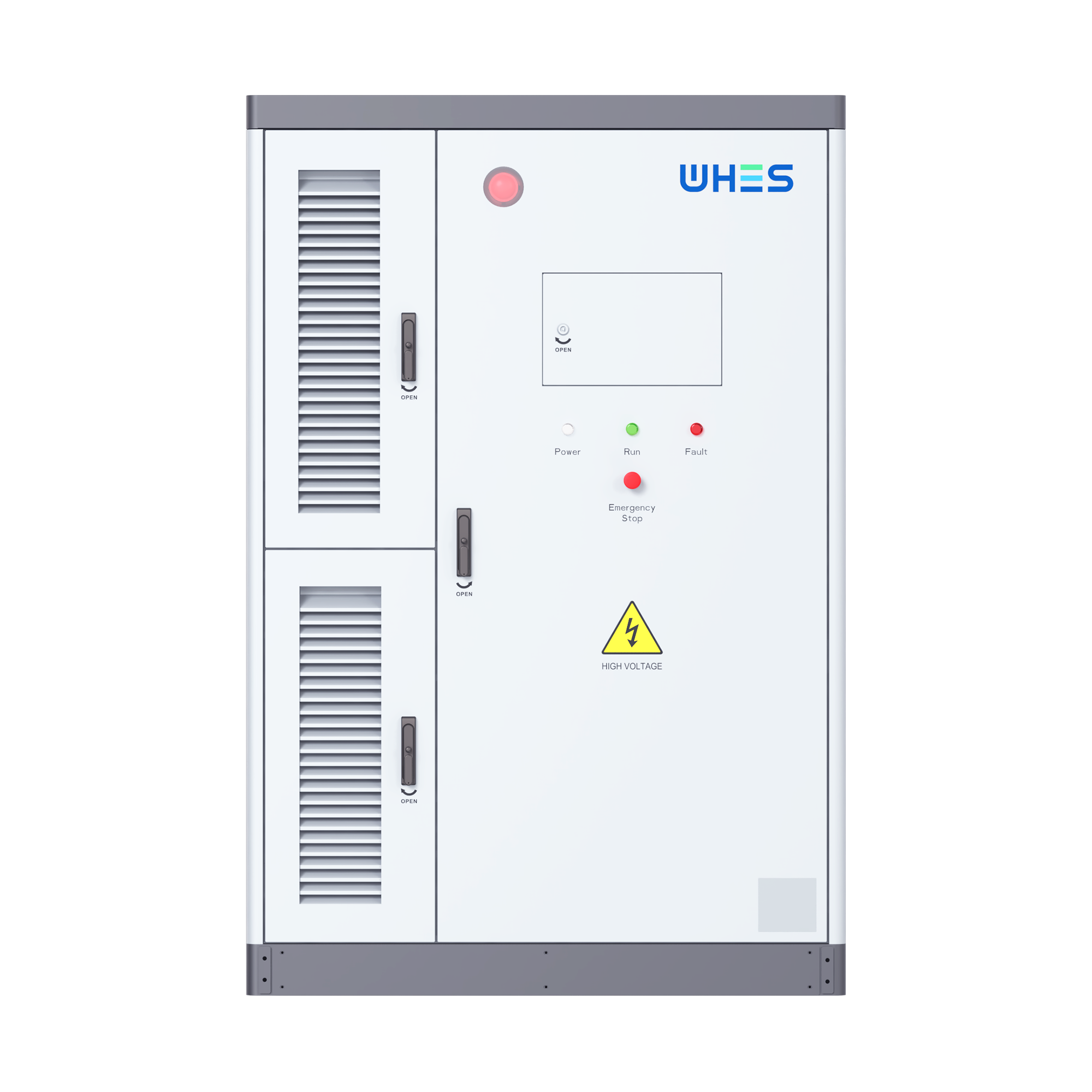
Racks hum with unseen tension: a single bad battery, a miswired ground, or a stale firmware image can turn steady service into a sudden outage. Operators who treat testing as checkbox theatre risk surprises; those who test like investigators find the silent failures. Start with the obvious: hardware that sits in a rack still needs active validation—consider a properly rated rack mount ups where uptime matters. Tests must expose time-dependent degradation and human error, not just component presence.
Power-path and UPS testing: expose the electrical weak points
Focus on the full power chain from utility feed to IT load. Perform transfer-path tests, static and dynamic transfer timing, and full-discharge battery runs under controlled load. Measure harmonic distortion, voltage regulation, and ground impedance. Run a load-bank exercise to validate real runtime and thermal response. Field experience and respected industry analyses such as the Uptime Institute’s outage reports show UPS-related faults often surface under realistic load; many teams therefore standardize on robust single-phase choices—single phase online ups—and verify them to IEC 62040-3 performance criteria. Use calibrated meters and waveform capture, log results, and repeat tests quarterly for critical racks.
Battery and maintenance testing: batteries fail predictably if untested
Test battery internal resistance, capacity via controlled discharge, and float voltage consistency. Look for temperature gradients across strings; a single hot cell predicts broad failure. Replace based on measured capacity decline, not age alone. Maintain a battery cycle log and insist on visual cell inspections for corrosion or leaks during every maintenance window.
Cooling, airflow and environmental verification: find thermal blind spots
Map temperature and humidity in three dimensions at rack inlet and exhaust, not just at a single sensor. Validate containment seals, perforated tile placement, and CRAH/CRAC responses under shifted loads using thermal mapping or smoke tests. Run humidity stress tests and measure dew point margins. Verify that the cooling system recovers within safe timeframes when a unit trips; if not, the power tests are moot.
Network, BMS and control-system checks: software failures masquerade as hardware problems
Exercise building management and UPS network interfaces: simulate SNMP traps, failover messages, and firmware rollback. Test time synchronization across devices and perform authenticated configuration restores from backups. Confirm that BMS alarms are actionable—test escalation paths and human acknowledgment logs. Verify redundant management paths by physically isolating a switch or controller and ensuring failover behavior matches runbooks.
Operational drills and procedural validation: people are part of the system
Run planned failover drills that include operators, remote teams, and third-party vendors. Validate step-by-step runbooks under pressure and time constraints. Time the full recovery process from outage detection to service restoration. Capture human errors made during drills and revise procedures; every test must produce a concrete corrective action with an owner and a deadline.
Common pitfalls and repeated mistakes to avoid
Don’t rely on single-point indicators: an “OK” light on a UPS panel is not a substitute for waveform logging. Avoid overfrequent firmware updates without test beds; they introduce risk if pushed straight to production. Skip environment sensor placement that averages conditions—localized hotspots hide failures. Don’t assume redundancy works because components are duplicated—test the failover path under load. Finally, don’t treat test results as records to archive only; act on them immediately.
Synthesis: prioritize targeted testing and measured fixes
Testing must be investigative, repeatable, and tied to corrective actions. Use standards-based electrical tests, realistic load and thermal exercises, and human-centered drills to expose hidden weaknesses. That approach turns quality control into verifiable resilience rather than hope. Practical, documented testing programs align expertise with accountability, and they steer procurement and operational choices toward reliable platforms—solutions you can rely on from partners such as KSTAR.