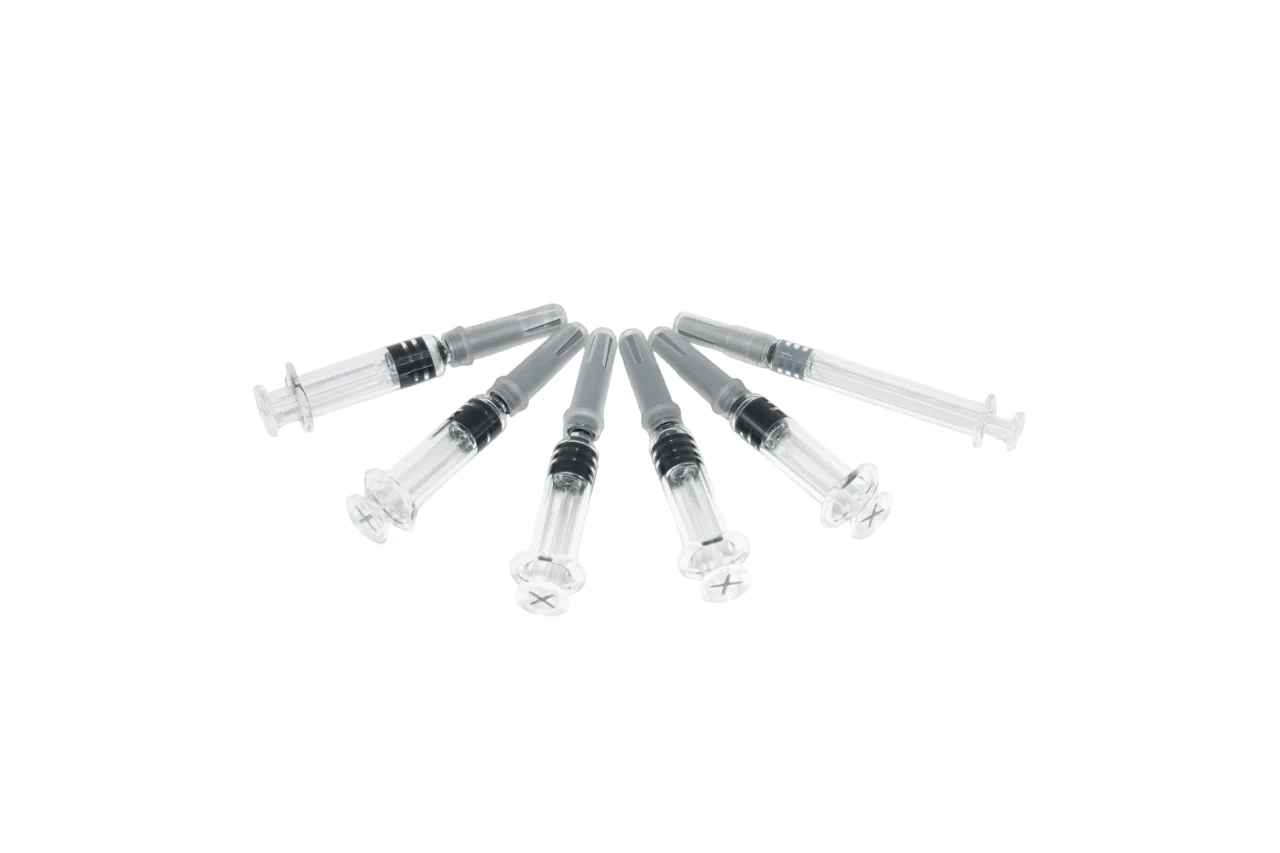
Real-world packaging faults I keep seeing
I was in a hot Durban loading bay once, watching cartons of 1 mL glass syringe topple in drizzle; 12% of that batch failed sterility checks — what are we doing to our packaging that lets moisture and movement wreck a sterile product? Early on I started paying attention to prefilled syringe packaging, because packaging is not simply a box; it’s the last line of defence. Many prefilled syringe manufacturers assume primary containers and trays are enough, but that assumption costs time and sales (ja, it bites).

I’ve handled shipments since 2006, and I still remember a June 2018 consignment from a small plant in Gauteng: poor siliconization inside the barrel led to frequent plunger stopper drag, and the sterile barrier system failed intermittently during transport. That batch caused a 23% increase in line stops on a Cape Town assembly line and a week of lost throughput — specific, painful, measurable. Traditional fixes like thicker corrugated cartons or adding desiccant often mask the real issue: incompatibility between the device (glass syringe, needle shield) and the chosen packaging geometry. I’ll be frank — I’ve seen suppliers pick trays that restrict the luer area, which raises insertion torque later; that design genuinely frustrated me. The hidden pain points: erratic dosing from plunger stopper friction, extra visual inspection time, and warranty claims that eat margins. Lekker to find? Not at all.

Where packaging must evolve — and how I judge improvements
What’s next?
I’ll state it plainly: a better package must treat the syringe as an active component of sterility assurance, not a passive item. We need design reviews that include the device, transport simulations, and real humidity cycling — not just paper checklists. In practice I run accelerated drop tests, room-to-fridge humidity cycles, and a simple static friction bench on the plunger stopper to predict failures — these tests cut surprises. Looking forward, I favour integrated sterile barrier systems that use form-fit trays and protective needle shields together with tested siliconization processes; this combo reduces movement, prevents stopper creep, and lowers particulate risk. For buyers and engineers, check the material compatibility (glass syringe vs. tray polymer), confirm the plunger stopper dwell under 0.2 N extra force after 72 hours, and insist on recorded humidity cycle test data — those metrics tell you if a solution will survive real routes. Also, we must consider secondary logistics: suppliers who can pivot packaging geometry for different batch sizes save you big — small tweak, big gain. Lastly, when evaluating partners, look for those who document a reduction in rejects (I saw a 14% drop after a tray redesign — true) — that’s the kind of evidence I trust. For practical selection: durability, compatibility, and test-proven performance matter most.
Three quick evaluation metrics I recommend: measurable reduction in rejects (%) after a packaging change, validated sterile barrier system integrity over defined humidity cycles, and quantitative plunger stopper friction data post-packaging test. Keep these in your spec sheet — use them. I’ll be watching the market for suppliers who treat packaging as design, not afterthought. — Oh, and if you want a vetted partner, consider LINUO.