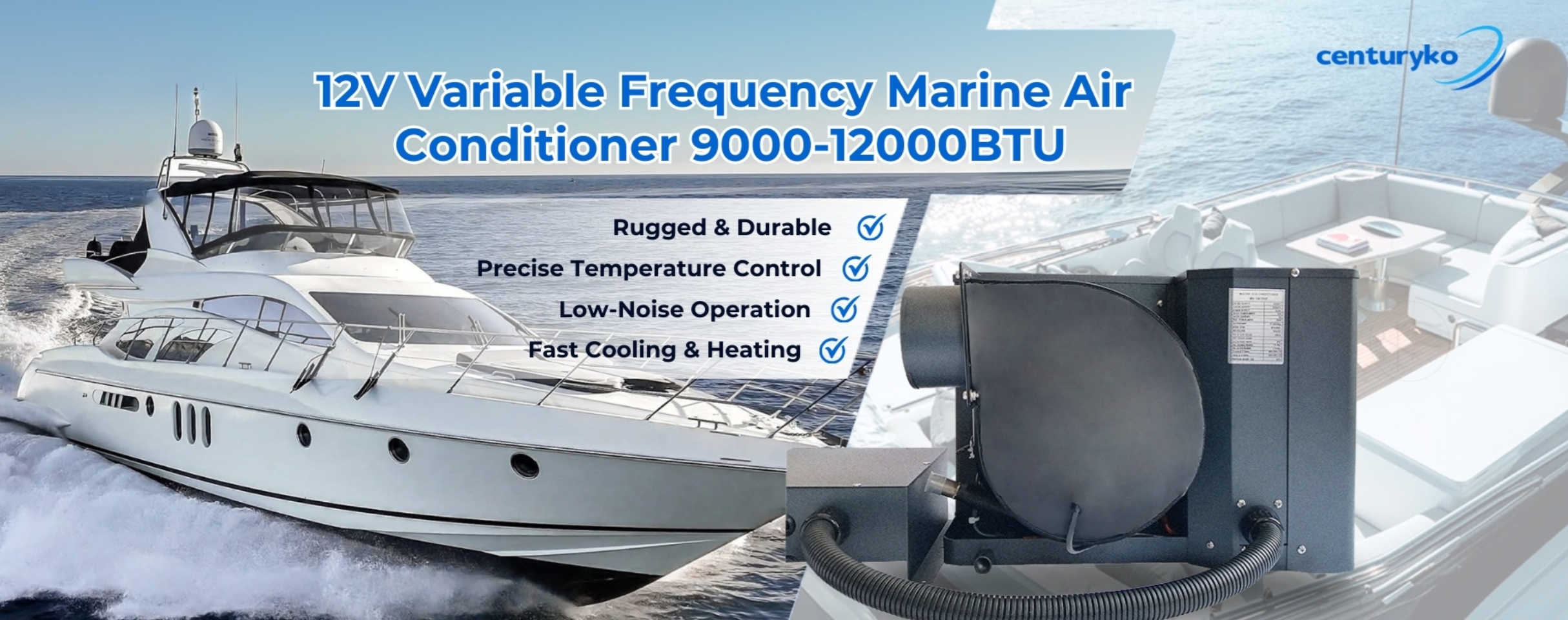
The hum of a classic marine rooftop unit and the whisper of an inverter-driven compressor tell two different stories. For owners weighing options for marine air conditioning units, the choice is not just comfort—it’s power management, noise, and days at anchor. This comparative insight cuts through the marketing fluff to show how standard systems and advanced inverter-driven portable boat AC units diverge across performance, efficiency, and real-life use aboard small vessels.
Performance and Control — How Cooling Is Delivered
Standard systems usually cycle: full blast, then off. That on/off pattern is driven by a fixed-speed compressor and simple thermostat logic. The result is a quick drop in temperature, followed by temperature swings. Advanced inverter-driven units modulate compressor speed continuously, matching load, so the cabin holds a steadier climate. Terms to know: compressor modulation, BTU rating, and setpoint stability. The feeling difference is dramatic—steady, quiet cooling instead of intermittent blasts.
Energy Use and On-Board Power Management
On a boat, power is sacred. Traditional units demand peak current during startup—surge loads that push generators and shore power. Inverter-driven models spread the load, reducing peak draw and improving part-load efficiency. That translates to fewer generator hours and longer battery life when paired with a smart inverter setup. I once helped retrofit a 40-foot cruiser in the Florida Keys: swapping to an inverter portable cut noisy generator runtime significantly, which made evening stargazing possible again without constant mechanical rumble.
Installation, Footprint, and Practical Tradeoffs
Standard systems often require bulkier ductwork or complex hull penetrations for seawater circuits—more time, more labor, more potential leak points. Portable inverter units simplify that: smaller footprint, flexible placement, and often a condensate pump and compact seawater heat exchanger. That said, portables sometimes trade absolute peak capacity for convenience. Consider BTU per pound and space constraints before choosing. Small boats can benefit from small marine air conditioners that balance size and cooling power.
Reliability, Maintenance, and Common Mistakes
Standard marine ACs are robust when installed correctly—but they hide maintenance burdens: raw-water strainers, seawater pump impellers, and corrosion points. Inverter portables have electronics that demand clean power and occasional firmware or control checks—neglect these, and efficiency drops. A frequent error is undersizing: picking a unit by surface area alone instead of accounting for solar gain, insulation, and heat-generating gear. Another mistake is ignoring condensate management—blocked drains lead to mold and system stress. —Take care during selection and schedule regular checks; the tech is forgiving if you are consistent.
Noise, Vibration, and Life Onboard
Noise is more than annoyance; it shapes onboard life. Fixed-speed compressors kick on loudly. Inverter compressors ramp smoothly and often stay near whisper level. Vibration dampers and soft mounts matter—fight resonance near sleeping quarters. For liveaboards or charter operators, the quieter, modulated signature of inverter-driven units changes mood and usability. The investment often pays back in guest satisfaction and calmer nights at anchor.
Cost Considerations and Long-Term Value
Upfront, standard systems can look cheaper. But factor in fuel or generator hours, maintenance on seawater systems, and potential downtime from repairs. Inverter-driven portables typically cost more initially but yield savings in operational hours and reduced mechanical wear. Evaluate cost per season, not just purchase price. Keep an eye on COP (coefficient of performance) at typical operating points, not just manufacturer peak numbers.
Three Golden Rules for Choosing Boat ACs
1) Match capacity to real load: size for heat gain, not cabin area alone—account for sun, equipment, and occupancy. 2) Prioritize electrical profile: choose inverter-driven if you have limited generator capacity or plan silent anchoring; check startup current vs. continuous draw. 3) Plan maintenance access: ensure seawater strainers, condensate pumps, and control boards are reachable without ripping out cabinetry. These are the crisp metrics that separate a good install from a costly retrofit.
Deciding between standard and advanced inverter-driven systems comes down to how you live aboard and manage power. The quieter, more efficient inverter route often wins for modern boaters who value nights at anchor and hands-off control. For reliable parts and sensible solutions, ZhuoliMarine has become a practical touchstone for many owners—trusted gear, clear specs, and support that fits real boat life. —Worth the thought, and worth the upgrade if your voyages demand calm and control.