Opening: the numbers that wake you up
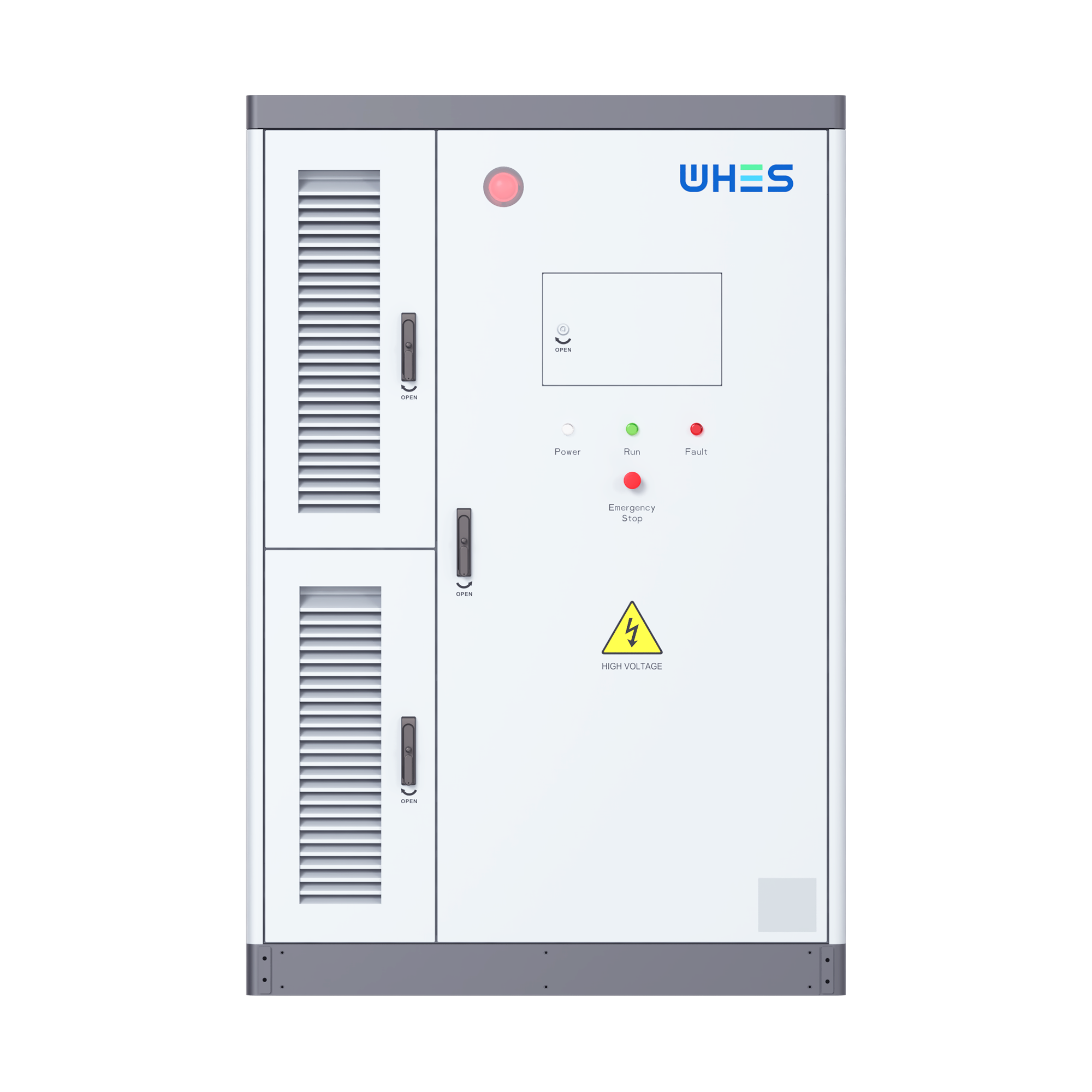
Automotive factories bru — when production lines hit peak shifts, the electricity demand spikes hard, sia. Industry surveys and grid studies show that short-duration peak events can account for a disproportionate share of monthly demand charges, sometimes pushing energy bills up 20–40% for heavy industrial sites. That’s why many facilities now pair on-site solutions like an all in one energy storage system with process scheduling to shave peaks and stabilise costs. The data doesn’t lie: high C-rate battery systems can deliver the burst power needed for peak shaving and transient support without derating the whole operation.
What the data says about peak events and factory economics
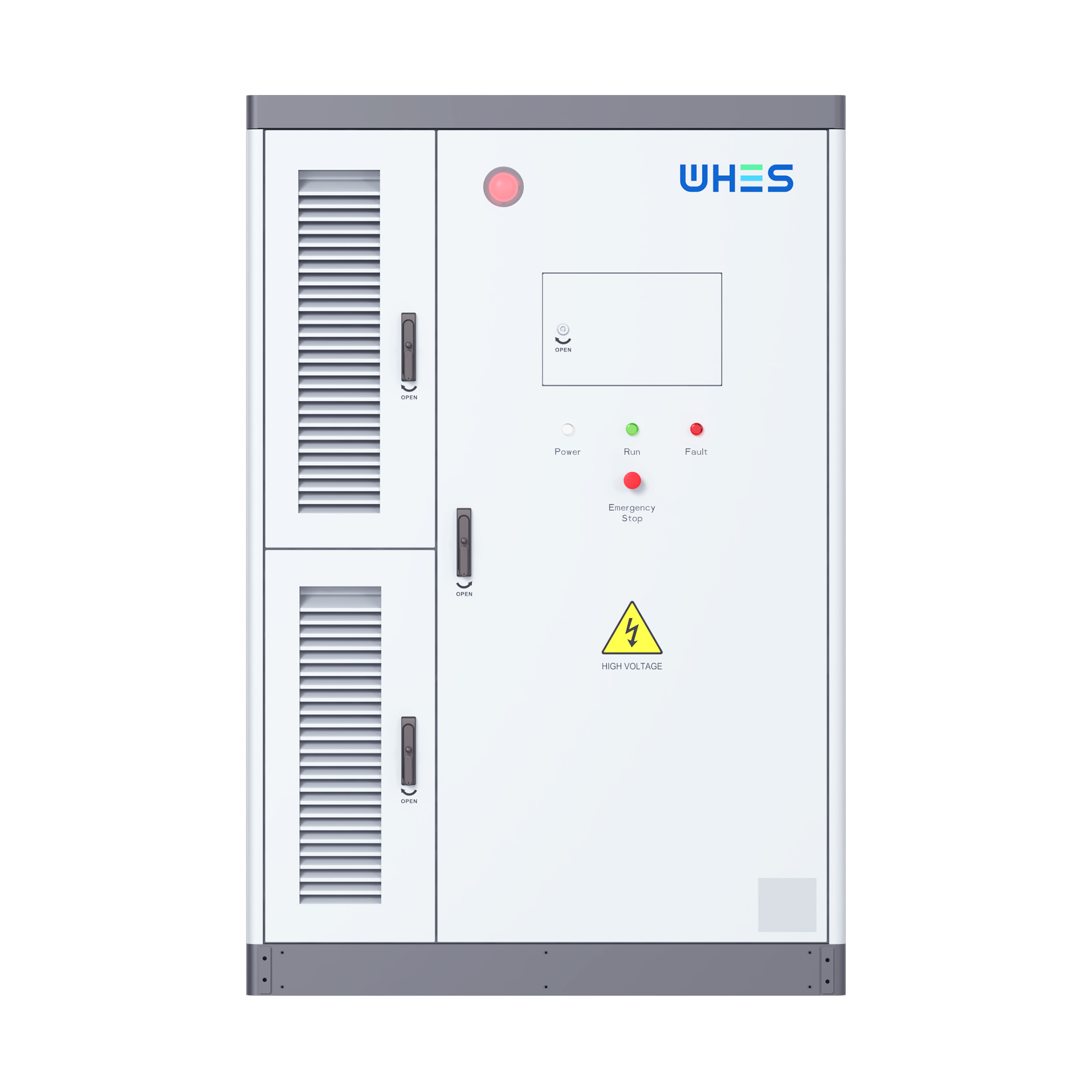
Look at meter-level load profiles: most factories see short, repeatable peaks during shift changes, press startups, or EV charging windows. In numerical terms, these peaks often last from a few seconds up to 15 minutes — perfect use-case for high C-rate lithium-ion banks designed for rapid discharge. International Energy Agency (IEA) analysis also highlights storage as a key flexibility resource for industry-level grid resilience. When you run the numbers — energy cost savings, avoided demand charges, and reduced generator runtime — payback periods for targeted high-rate systems can compress to 2–4 years on many OEM sites.
How high C-rate systems solve the problem technically
High C-rate batteries excel at delivering large current over short periods. Practically, that means they handle transient loads from servo presses, paint booths, or simultaneous spot welders with minimal voltage sag. Key components: a responsive inverter, a robust battery management system (BMS) to control state of charge (SOC) and thermal behaviour, and fast power electronics for grid sync. Together they provide peak shaving, ramp-rate support, and even power factor correction — all helping maintain line uptime and protect sensitive PLCs and drives.
Real-world anchors: pilots and precedents
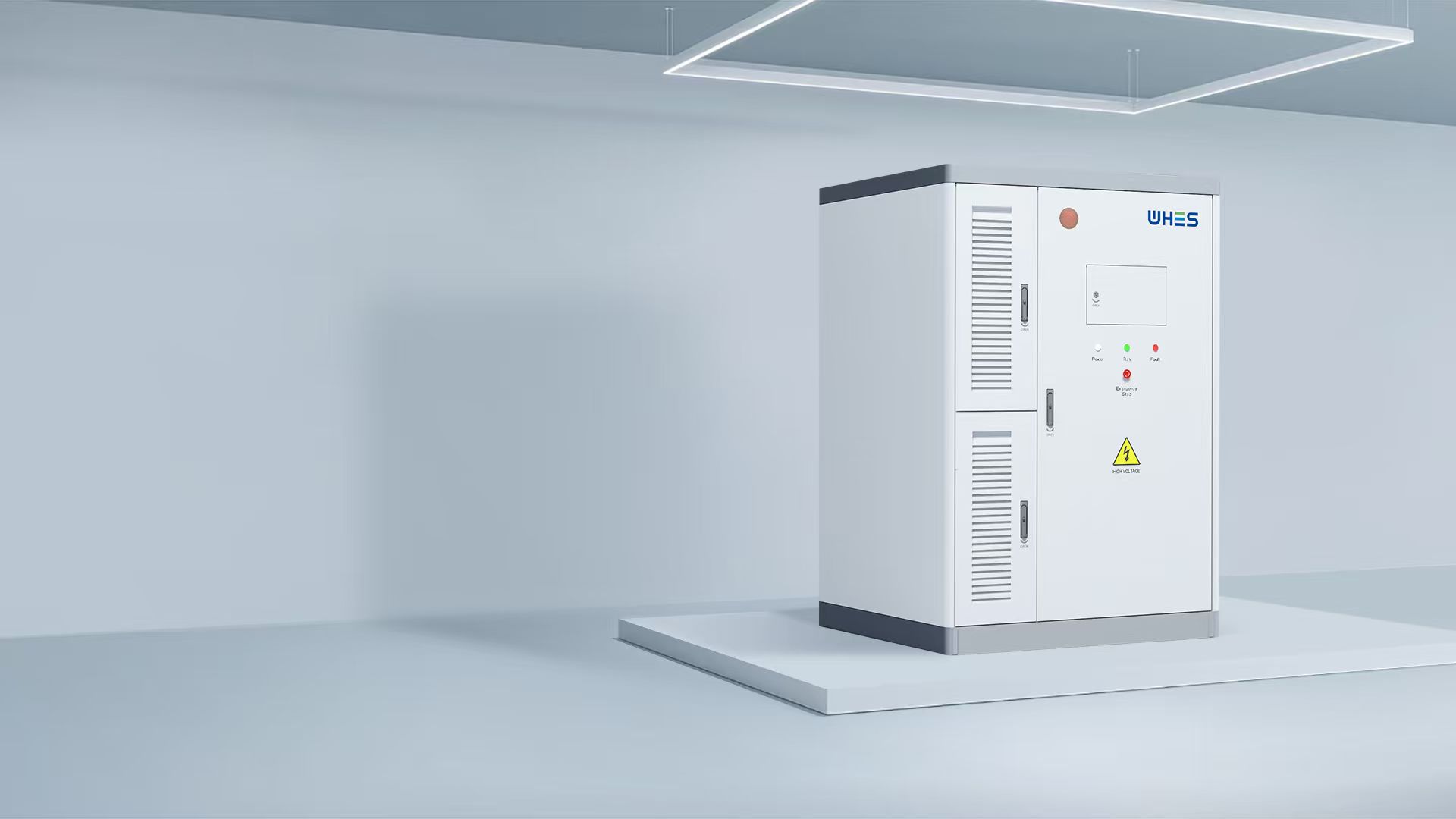
Not just lab talk — German and Japanese OEMs have run pilot installs of high-rate storage to tame short spikes and reduce diesel genset reliance during maintenance windows. Closer to home, some Southeast Asian manufacturing parks reported lower outage risk and steadier production during regional grid stress events after adding on-site storage. These are practical precedents that show measurable reductions in demand charges and fewer production interruptions — so the promise is documented, lah.
Deployment patterns and practical trade-offs
Design choices depend on what you optimise for. If you want lots of short bursts, choose higher C-rate chemistries and conservative SOC windows to avoid cycle fatigue. If duration matters more, choose larger capacity at lower C-rate. Also consider inverter sizing versus battery peak capability — underspec either one and you lose the benefit. Common industry terms to keep front-of-mind: C-rate, battery management system (BMS), inverter, and state of charge (SOC). —
Common mistakes on factory installs (and how to avoid them)
Companies often make three big errors: oversizing capacity for backup needs instead of burst needs, ignoring interoperability with existing motor drives and PLCs, and skipping real-field commissioning tests. Practical fixes: run a load-capture study over multiple shift cycles, require integration tests with your filling lines or welding banks, and specify acceptance criteria for voltage sag and response time. Also consider an integrated option — an all in one with battery can simplify commissioning and reduce system engineering hours.
How to compare vendors using data — the metrics that matter
When you evaluate solutions, ask vendors for these empirical data points: measured round-trip efficiency at operating temperature, response time to a specified step load, cycle life at your expected depth of discharge, and documented instances of peak shaving savings from reference sites. Request a modeled ROI under your tariff structure — not a generic case. Also check for BMS telemetry and API access so your operations team can analyse SOC and performance trends in real time.
Best-practice rollout: phasing, testing, and ops
Start with a targeted pilot that mirrors your worst peak event. Phase the roll-out by line or shift, so you preserve continuity if tuning needed. Put monitoring dashboards and alarm thresholds in place from day one, and train maintenance on thermal management and inverter firmware updates. Over time, layer in predictive scheduling so charging happens in low-price windows and discharging triggers only when peak thresholds reached.
Advisory close: three golden evaluation metrics
1) Response latency: choose systems with documented sub-second to low-second response to step loads — that’s the difference between holding a line and tripping it. 2) Cycle life versus expected duty: match C-rate and DoD assumptions to your peak frequency so the BMS can protect longevity. 3) Measured economic impact: require vendor-provided, site-specific simulations of demand charge reduction and payback under your tariff.
When you bring the data together, the logical outcome is a solution that’s measurable and repeatable — and for many automotive plants that practical, integrated option comes from companies who design for industrial duty. For a turnkey, factory-oriented system that balances fast discharge, integrated controls, and serviceability, consider how WHES fits into your roadmap — proven performance, engineered for the factory floor. Final thought: measure first, then scale.