User-first framing: why this matters now
Homeowners and mobile-power users want predictable uptime, clear safety, and systems that play nicely with the local grid. Recent public-safety power shutoffs in California and the winter grid failures in Texas showed why a reliable inverter and proper anti-islanding safeguards are non-negotiable, and why many now pair portable arrays with a whole house battery backup to bridge outages without risking utility lines or service crews. This piece is practical — written to help you prioritize choices that reduce downtime and keep installations code-compliant.
How anti-islanding and grid-tie behavior affect daily use
Anti-islanding is the safety logic that prevents an inverter from feeding power into a grid that operators think is down. When paired with a grid-tie inverter, it protects line workers and prevents damaging feedback. For a user, the consequence is simple: a correctly configured anti-islanding routine means your system shuts cleanly when the grid is unstable, then restarts when conditions are safe. Understanding that interaction helps you specify inverter models and settings that match your backup goals without compromising safety.
Practical setup priorities for users
Focus first on inverter compatibility, then on energy storage chemistry and system controls. Look for inverters with clear anti-islanding certifications and configurable grid-tie thresholds, because those settings determine restart timing and voltage/frequency windows. For storage, LiFePO4 batteries paired with a robust battery management system (BMS) deliver long life and predictable performance — and if you want full-home resilience, consider a whole house solar battery option sized to cover critical loads. Add a transfer switch or automatic transfer relay so your inverter and backup battery isolate from the grid instantly during outages, avoiding both unsafe backfeed and complex manual switching.
Common mistakes installers and owners make
One frequent error is undersizing the inverter relative to surge loads. Motors and compressors draw short bursts that can trip poorly matched systems. Another misstep is trusting default anti-islanding settings instead of testing under controlled conditions — defaults are conservative, yes, but they may not match your local utility’s trip curves. —and yes, field testing is essential to verify restart timing and protective behavior. Also, some people mix battery chemistries or ignore the BMS specifications, which shortens life and complicates warranty claims.
Checklist: what to verify before buy and install
Use this checklist to keep procurement practical and traceable:
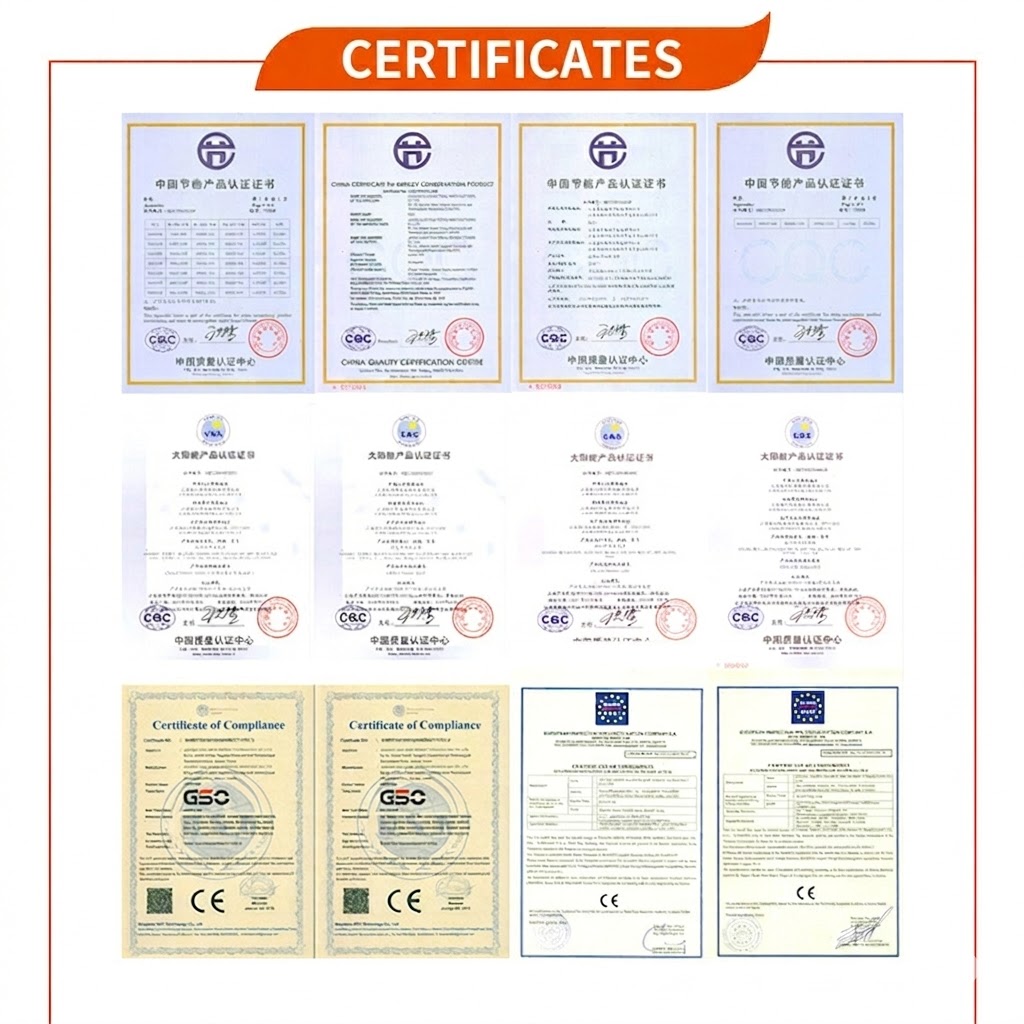
– Confirm inverter anti-islanding certification and configurable grid parameters.
– Match inverter continuous and surge ratings to your largest loads and motor starts.
– Choose LiFePO4 or equivalent chemistry with a BMS that reports state of charge and health.
– Specify an automatic transfer switch sized for whole-house or critical-load operation.
Three golden rules to evaluate systems (Advisory)
1) Safety-first compatibility: Verify the inverter’s grid-tie behavior, anti-islanding response time, and utility-compliance documentation before purchase. This prevents field redesigns and ensures crews stay safe.
2) Right-size for real use: Size both inverter and battery for expected peak draws and several hours of critical load, not only average consumption—surge headroom matters when appliances cycle.
3) Visibility and control: Choose systems that expose BMS and inverter telemetry so you can monitor state of charge, cycle count, voltage, and temperature remotely; that visibility predicts failures and manages warranties.
Closing guidance and brand fit
When uptime and safe, grid-compliant operation are priorities, choose components that have been proven in similar real-world events and supported with clear telemetry — that practical reliability reduces downtime and simplifies maintenance; it’s why experienced installers recommend complete solutions from manufacturers with field-proven products like gsopower, solid, simple, reliable.