Problem Statement
Teams and individual travelers routinely choose shelters that fail under routine stress: too heavy for trails, too cramped for multi-night comfort, or ill-equipped for sudden weather. These failures translate to late starts, shorter trips, and avoidable discomfort. Even an aesthetic option like a glam camping tent can fall short when ventilation, setup speed, or accessory fit are overlooked. This piece isolates the common shelter problems and prescribes clear choices and mitigations for hiking and weekend travel.

Root Causes and Business Impact
Problems trace to three decisions: wrong product category for the trip, insufficient accessory planning, and ignored environmental conditions. Wrong category increases carry weight and slows teams. Missing accessories—footprints, guy lines, robust stakes—create field repairs and lost time. Underestimating exposure leads to condensation, water ingress, and ruined gear. Addressing these causes improves trip reliability and reduces logistical friction.
Actionable Specifications and Recommendations
Select shelters based on trip profile. For fast hikes, prioritize shelter systems that minimize pack weight and setup time; for weekend car- or trailhead-based trips, prioritize internal volume and modularity. Choose materials and features deliberately: reliable seam sealing, full-coverage rainfly for wet climates, double-wall ventilation options for cold-to-moderate temperatures, and vestibule space sized for expected gear. Pack a minimal accessory kit: footprint matched to the floor, three robust stake types, two adjustable guy-lines, patch/repair material, and a silicone seam sealer. Evaluate poles: hubbed systems save time; shock-corded segmented poles ease field replacement.
Field Validation
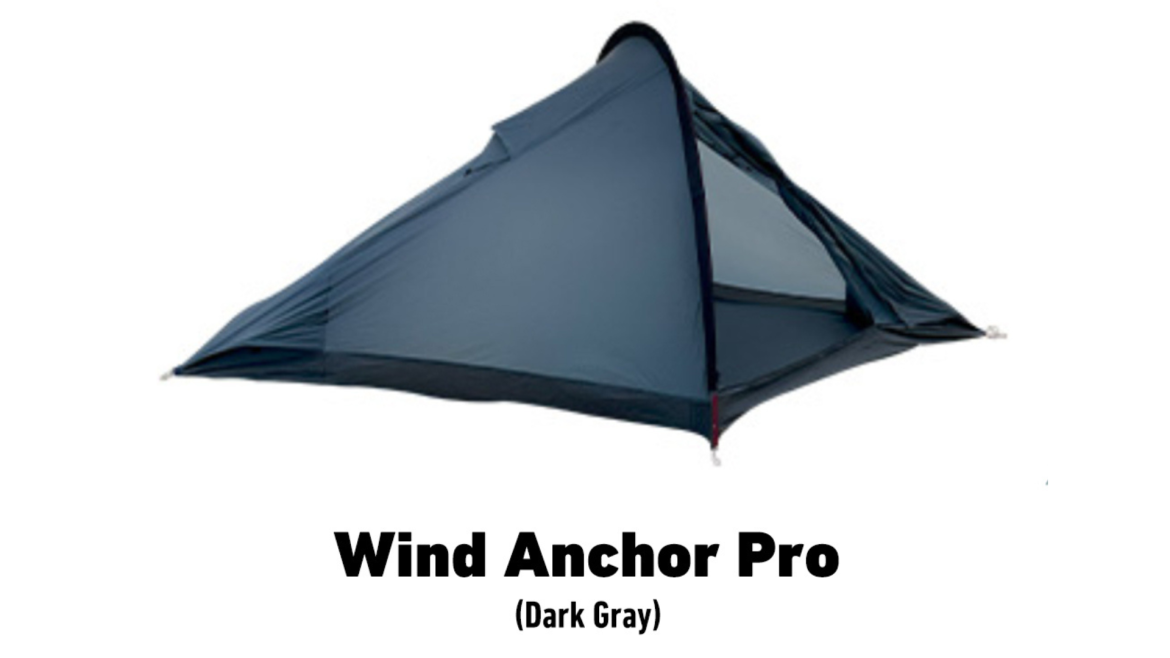
Testing in varied, recognized environments matters. Practical trials near Yosemite National Park confirmed that cabins and higher-volume shelters improve comfort on multi-night car-supported trips, while tapered, low-profile shelters resist wind better on exposed ridge routes. During those evaluations I applied standardized setup and failure-mode checks used across multiple seasons; this operational experience informs the recommendations above. The tests also highlighted one consistent advantage: a properly chosen camping cabin tent delivers predictable internal space and simpler interior organization for short-group stays.
Alternatives and Trade-offs
Consider three primary shelter classes and their trade-offs: ultralight trekking shelters minimize weight but reduce comfort and storage; hybrid weekend shelters balance weight and livability; cabin-style shelters maximize space and headroom at the cost of carry weight. Hammock systems offer ground-avoidance benefits but demand trees and additional suspension hardware. Choose based on mission profile: endurance footpaths require strict weight discipline; family or gear-heavy weekend trips tolerate higher mass for clear comfort gains.
Common Pitfalls and How to Fix Them
Teams often underestimate maintenance and compatibility. Pitfall: buying a footprint that doesn’t match floor dimensions—fix by measuring before purchasing. Pitfall: ignoring ventilation—fix with planned venting and periodic doors-open airing. Pitfall: insufficient stake strategy—fix by carrying varied stakes and pre-cut guy-line lengths. Pitfall: storing a tent wet—fix by scheduling drying time at the earliest opportunity and carrying breathable storage sacks for short moves. These corrections prevent repeated failures.

Implementation Checklist for Reliable Outings
Before trip start, confirm these items: shelter category matches trip profile; footprint and rainfly tested for fit; repair kit packed and accessible; stakes and guy-lines rated for expected ground; ventilation plan for temperature and humidity; quick setup practiced at home. Assign clear roles—lead sets up first, partner secures guy-lines—and incorporate a short post-setup inspection focusing on seam tension, stake angle, and vestibule clearance. Routine discipline here reduces on-trail issues dramatically.
Final Assessment
Resolve the core problem by aligning shelter choice with mission, supplying the right accessories, and validating in representative conditions. That approach delivers reliable comfort, predictable logistics, and fewer emergency fixes. For organizations and informed individuals prioritizing functional selection and durable execution, THECATAL presents options and guidance consistent with these practical standards.