Comparative framing
The comparative insight is immediate: DiDi Finanzas translates on-demand mobility infrastructure into a streamlined financial product that citizens can access at home. Against a backdrop shaped by Mexico’s 2018 Fintech Law and rising mobile adoption in Mexico City, platforms that blend payment rails, digital wallet functionality and simplified underwriting have gained traction. Early in the user journey, a single click that starts at didi prestamos can lead to card issuance, instant credit lines and integrated expense tracking—features that used to require a branch visit and extended credit reviews.
How the DiDi card model operates
DiDi’s card proposition seeks to collapse several operational layers: onboarding, credit assessment, and card provisioning. Onboarding uses streamlined identity verification and API-driven connections to banking rails; credit scoring is computed from platform activity plus external data sources; and card issuance is often virtual-first, enabling immediate use while a physical card ships. These choices reduce time-to-use and lower acquisition friction, while preserving core controls such as underwriting rules and risk modelling.
Comparative analysis: fintech versus incumbent banks
When placed beside incumbent banks, DiDi Finanzas prioritises speed and integration with existing mobility services. Traditional banks retain advantages in regulatory capital, customer protection and broad branch networks; fintechs win on user experience, modular APIs and faster decisioning. Marketplace alternatives—established neobanks and payment platforms—offer similar digital wallet and card products, but DiDi’s differentiator is the embedded customer base from ride-hailing services, which supplies behavioral data useful for credit models. The trade-offs are clear — but manageable: incumbents provide stability, challengers provide agility.
Practical guide to requesting a DiDi card
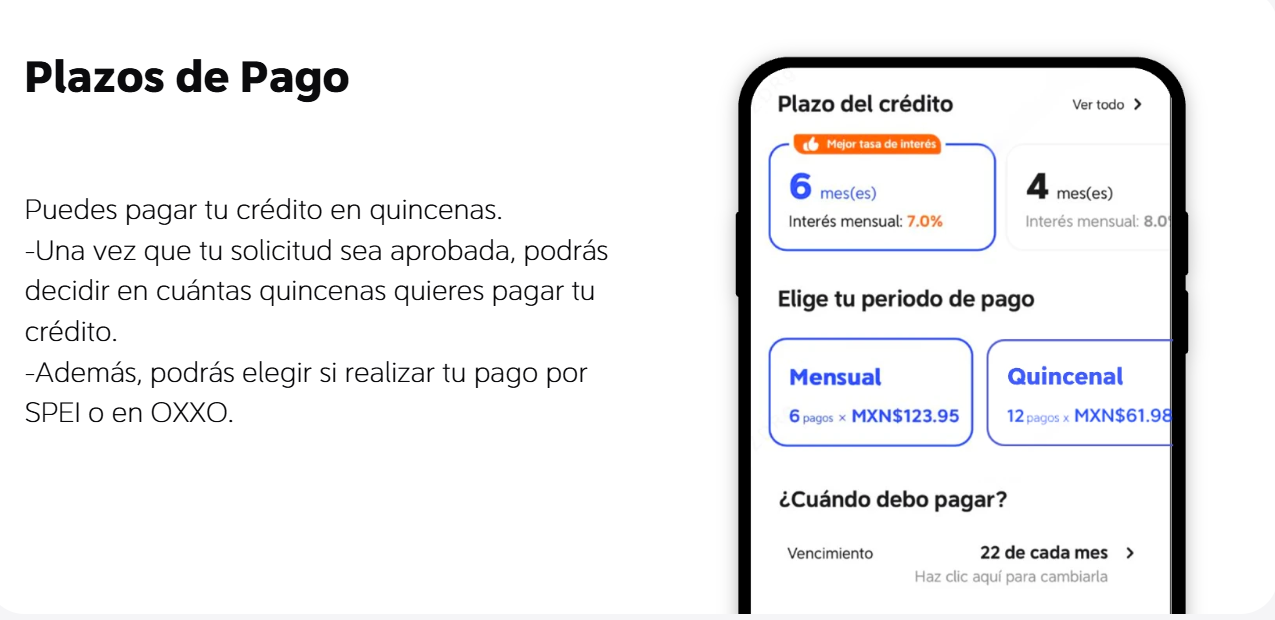
Apply through the in-app flows or dedicated portal; the process typically requests identity documentation, device data and consent for credit checks. The platform’s loan origination and underwriting engines synthesise these inputs to deliver a decision. For users comparing options, consider the transparency of terms, APR presentation, and whether the product supports instant virtual issuance. For more formal lending arrangements and a wider loan product set, see how DiDi integrates with broader services such as didi credito to move from a single card to a managed credit line.
Common mistakes and operational cautions
Consumers often accept default credit limits without assessing cashflow impacts; firms rush to scale acquisition at the expense of fraud detection. Operational teams must balance speed with robust biometric authentication, anti-fraud controls and clear post-issuance support channels. From a compliance perspective, aligning data flows with local regulation—such as provisions under Mexico’s Fintech Law—reduces supervisory risk. Practitioners should map the entire customer lifecycle and instrument discrete monitoring for chargebacks, late payments and user disputes — small failures compound quickly.
Strategic alternatives and ecosystem fit
Alternatives include direct bank credit cards, neobank products, and payment-platform cards. Evaluate each by integration depth (API access), data enrichment (behavioral signals), and portfolio risk management (risk modelling sophistication). Partnerships can accelerate deployment: a rideshare operator partnering with a licensed lender can offer credit without taking on full regulatory capital. Such hybrid arrangements are common in Latin American markets and have demonstrated pragmatic scalability in cities where mobile payments outpace branch-based banking.
Advisory: three metrics to choose wisely
1) Effective Cost: compare APR plus fees over a 12-month projection to reveal true borrowing cost. 2) Time-to-Value: measure from application to usable virtual card; reduced latency correlates with higher activation and retention. 3) Operational Resilience: assess fraud detection rates, dispute resolution SLA and regulatory alignment. These metrics together indicate whether the product is merely convenient or sustainably valuable for both users and operators.
DiDi Finanzas offers a coherent answer to the perennial problem of access—speed, integrated data, and pragmatic user flows that make financial services genuinely usable at home. Authority is earned through measured deployment and demonstrable controls. —