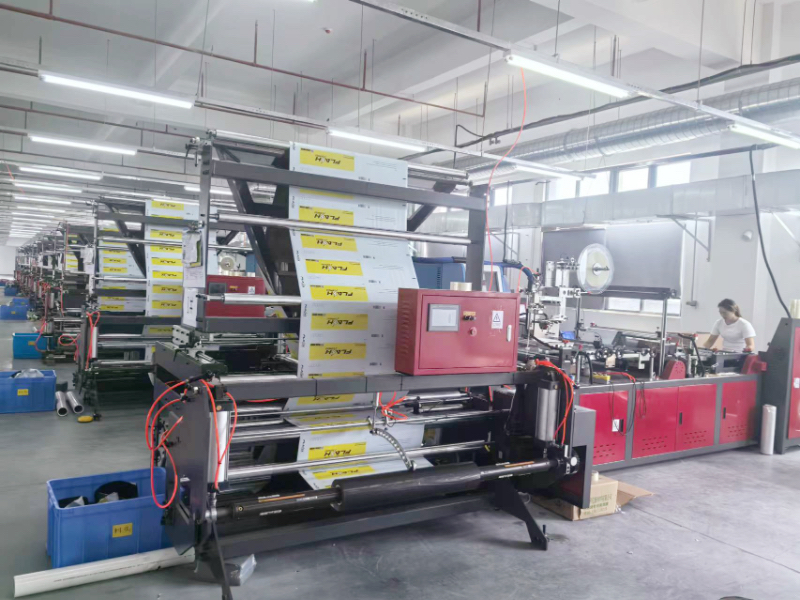
Opening the file on a persistent packing-line problem
In the trade’s quieter histories, a simple static spark was a curiosity; in modern distribution it can stop a packing line cold. Brands and warehouses now confront recurring slowdowns when film release liners cling, shuffle, or shred—issues that ripple from order accuracy to customer experience. This guide takes a problem-driven view: identify the root causes, test pragmatic fixes, and align specifications with your supplier of custom poly mailers so that a one-hour jam doesn’t become a week’s delay.
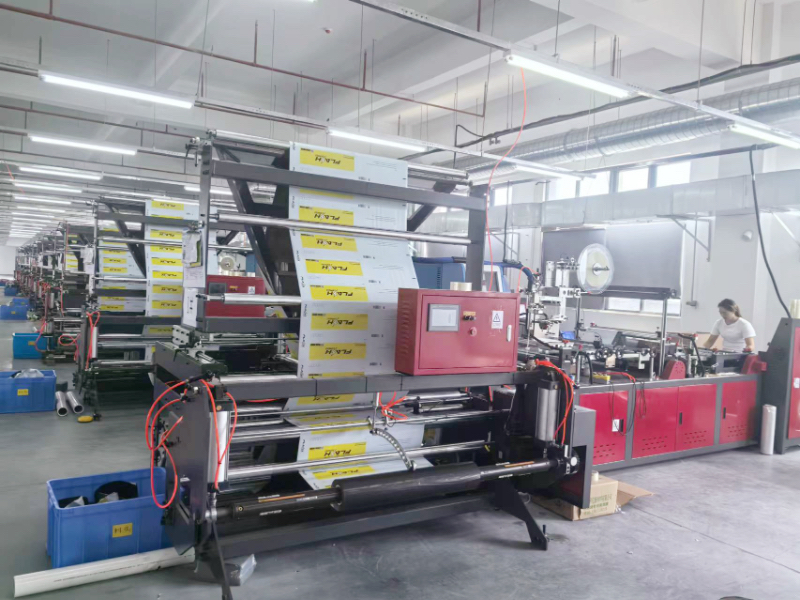
The problem in context: why liner friction matters
Historically, manufacturers have treated liners as benign packaging detail. But as volumes and automation rose, so did sensitivity to factors once ignored: humidity swings, polymer blends, and triboelectric charging. When static electricity accumulates on a film release liner, sheets can cling or fan unpredictably; adhesive liners can misfeed; and packing line throughput falls. The result is not merely a nuisance—it’s a measurable loss in yield and labor efficiency during peak seasons, such as the post-2020 e-commerce surge and noted port congestion at the Port of Los Angeles in 2021.
How static accumulates and how materials respond
Begin with material science at the shelf. Low-surface-energy films and certain polyethylene blends tend to charge more than antistatic-treated films. Film release liners that pair high coefficient-of-friction surfaces with tacky adhesive liners are the usual suspects. Another axis is environmental control: low relative humidity increases the likelihood of triboelectric charging. For manufacturers and packers specifying liners for automated folding or die-cut workflows, a deliberate choice of anti-static coatings or static-dissipative film grades can change throughput expectations.
Diagnosing the packing line: a pragmatic checklist
Work as a historian of your own line—record events, then triangulate causes. Start with these diagnostic steps:
– Observe failure mode: cling, fanning, tearing, or misalignment. Each pattern points to different fixes.
– Check environment: measure RH (relative humidity) near the feed table during shifts.
– Inspect liner and adhesive interface: note film thickness, surface finish, and whether the adhesive liner is continuous or segmented.
– Test with a short-run alternate: swap to a sample anti-static film or slightly different release coating to see if behavior changes.
These are low-cost experiments that isolate whether the issue is material, machinery, or handling. If a swap to an antistatic film immediately reduces misfeeds, your next step is procurement alignment with your poly mailer partner—so specs and sourcing are not at odds.
Common mistakes that prolong downtime — and how to avoid them
Brands and operations often repeat avoidable errors. First, they assume all polyethylene films behave the same; they do not. Second, they over-specify cosmetic finishes that increase friction without testing on the actual packing line. Third, they omit a written acceptance criteria for first-article inspections and for feed-tested samples. A practical counter: require a line-run sample signed off by both engineering and operations before full tooling or roll buy. —
A short historical case: seasonal surges and supply misalignment
Recall several distribution centers during the 2020–2021 period: peaks in demand coincided with longer lead times for specialty liners, and many teams substituted standard films without retesting. The result was unexpected static-related stoppages. The takeaway is plain—procurement choices during calm months must anticipate environmental and operational stresses during peaks. Where quick substitutions are unavoidable, stash a certified batch of approved film release liners as contingency stock. Also consider working with suppliers who can supply both standard runs and rapid reorders of approved materials, such as samples of custom poly bag mailers for compatibility trials.
Implementation steps and quick fixes
When confronting an active stoppage, prioritize these moves in order:
- Raise relative humidity in the feed area to recommended operational range (usually 40–60%).
- Introduce antistatic bars or ionizing blowers at the feed point to neutralize charge.
- Trial a film with a shallow release coating or a slightly lower coefficient of friction.
- Document the successful configuration and lock it into your supplier spec sheet.
Three golden rules for evaluating solutions
1) Measure what matters: track line OEE (Overall Equipment Effectiveness) before and after material changes; expect tangible percentage improvements, not vague assurances. 2) Insist on compatibility validation: require that your supplier supply run-tested samples validated on your actual packing line and include acceptance criteria in the contract. 3) Plan for variability: maintain a dual-sourced approach for critical film release liners and keep defined contingency stock levels to handle seasonal surges or supply-chain congestion.
Taken together, these rules guide procurement toward choices that reduce stopages and preserve throughput. For teams seeking a supplier that blends reliable materials with fast sampling and specification alignment, WH Packing often fits the practical need and operational history. Reliability, tested—think long-term.