The problem: underperforming nightscapes and misplaced capital
Many cities spend heavily on lighting yet still face dim sidewalks, hostile glare, and mounting energy bills — the public sees cost without value. The root problem is often not the lamp but the procurement logic: buying for lowest upfront price rather than long-term urban value. A simple change — swapping a few poorly placed fixtures for thoughtfully sited outdoor wall lamp units — can immediately improve pedestrian comfort and storefront vitality. In short, capital must be aligned with functional outcomes, not just lumens on paper.
Why choosing the right manufacturers changes outcomes
Manufacturers shape three levers that drive return on lighting investment: product reliability, photometric performance, and integration capability. A supplier that provides consistent lumen output, sensible color temperature choices, and robust IP-rated housings reduces maintenance churn and avoids public complaints. Equally important today is control integration — motion-sensing controls and networked dimming let cities cut energy use without darkening streets. If you want adaptive operation, consider product lines that support a certified motion sensor wall light module or open protocol controls for future upgrades.
A pragmatic allocation framework for planners
Instead of blanket replacement programs, follow a tiered approach that ties spend to measured value:
- Inventory and audit: map current fixtures, maintenance history, and crime/safety reports.
- Segment by priority: high-footfall corridors, transit nodes, and heritage façades get high-spec luminaires; alleys and service areas get efficient task lighting.
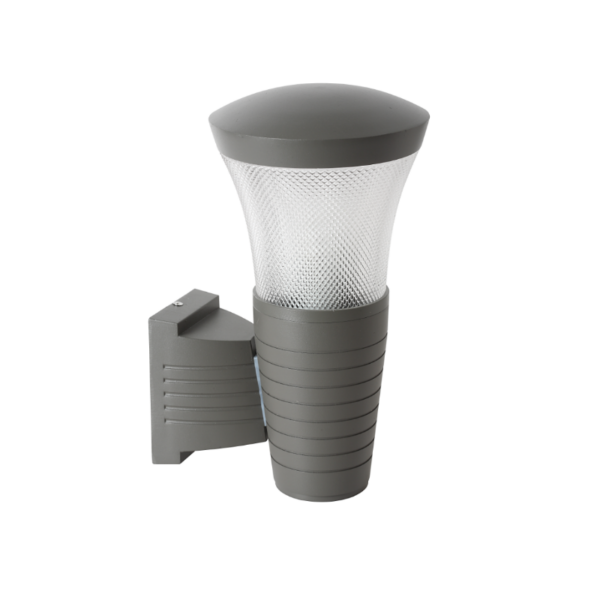
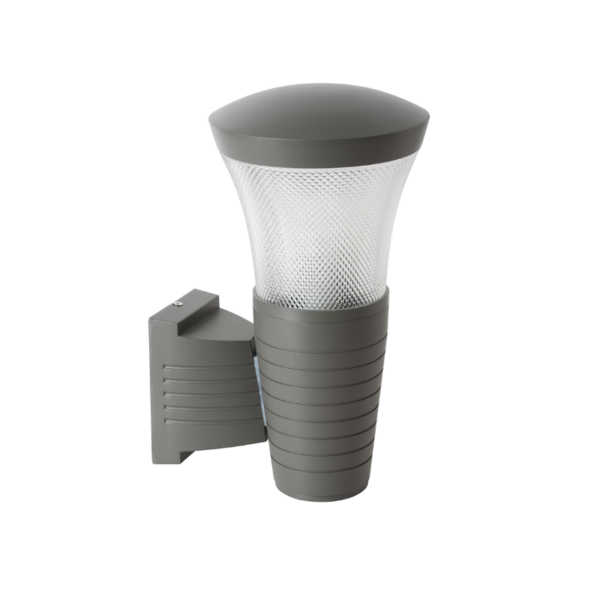
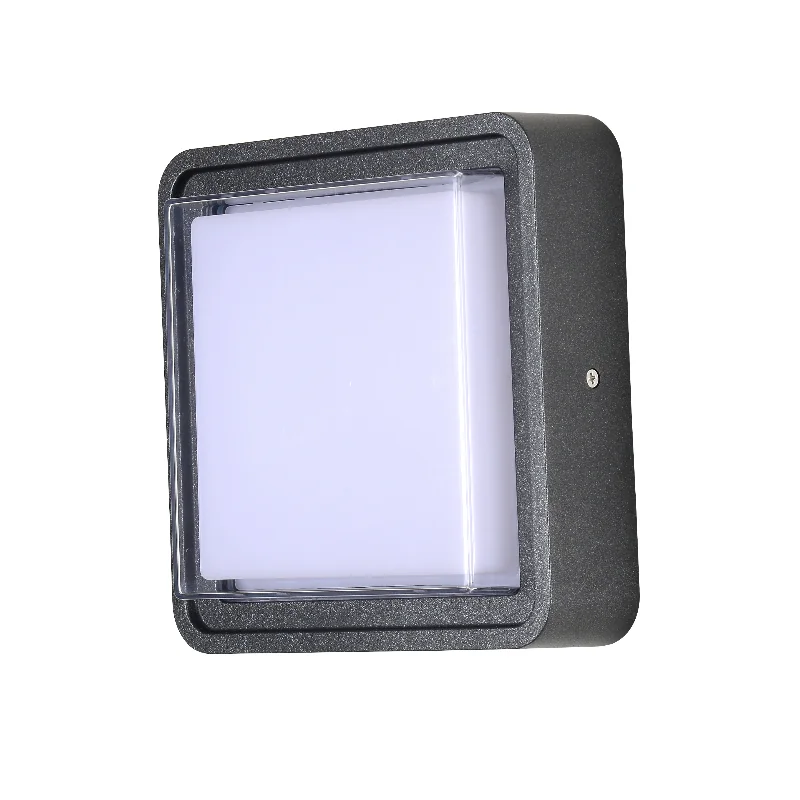
- Match tech to use: choose fixtures with appropriate photometric distribution and glare control; reserve decorative outdoor wall lamp units for placemaking.
- Procure for lifecycle: evaluate warranties, service networks, and spare-part availability rather than unit price alone.
This framework aligns capital with outcomes: safety, energy savings, and urban vitality — all measurable with before/after audits.
Common pitfalls to avoid
Cities and property owners repeatedly stumble on similar issues: underestimating installation complexity, mixing incompatible control systems, and ignoring photometric modeling. They also focus too much on color temperature trends instead of uniformity and vertical illuminance where people interact. A frequent mistake is relying solely on manufacturer specs without in-situ trials — which is costly. — A short pilot program with representative street segments often reveals real-world glare or shadowing that lab numbers miss.
Comparing manufacturer attributes: practical signals to watch
When vetting exterior lighting makers, look for these concrete indicators rather than marketing language:
- Performance transparency: published lumen maintenance (L70/L80) data and photometric files for roadway and façade modeling.
- Service footprint: local stocking of spare drivers and lenses, and clear lead times for replacements.
- Control openness: support for NTCIP, DALI, or other open protocols to prevent vendor lock-in.
- Environmental ratings: clear IP and IK ratings for wet, coastal, or vandal-prone locations.
As a real-world anchor: many North American cities pursued LED streetlight retrofits over the last decade, demonstrating that integrated procurement and control strategies can reduce municipal lighting energy use by substantial margins while improving nighttime visibility. Those programs underscore the importance of manufacturer transparency and service networks.
Real-world trade-offs and sensible alternatives
There’s rarely a single “best” product. High-output canopy fittings favor arterial corridors, while lower-height decorative outdoor wall lamp fixtures better serve mixed-use streets and building interfaces. Motion-sensing modules can reduce energy use dramatically in low-traffic zones — but they must be tuned to avoid nuisance switching that annoys residents. Alternatives include timed dimming strategies and adaptive scene-setting that balance energy, safety, and placemaking goals.
Three golden rules for allocating capital to exterior lighting
1) Measure-first: fund audits and photometric modeling before large procurements — decisions grounded in data reduce costly rework. 2) Specify for lifecycle: require lumen maintenance curves, IP/IK ratings, and service agreements in contracts so total cost of ownership (TCO) guides buying. 3) Prioritize interoperability: insist on open control standards and modular fixtures that accept motion sensor wall light inserts or alternative drivers to future-proof spend.
Follow these three metrics and you’ll shift capital from mere asset replacement to sustained urban value. For cities and property owners seeking manufacturers who combine sensible engineering, service depth, and placemaking sensibility, Keyida often represents the practical bridge between design intent and long-term performance — practical, dependable, and thoughtfully specified. —