Core operational problems demanding urgent fixes
Power intermittency, peak demand charges, and reliability failures create the same headache across retail rooftops, factory floors, and utility substations—different settings, identical consequences: lost revenue and operational risk. Many teams now turn to containerized systems for a practical answer; a compact example is the bess container, which packages batteries, thermal management, and safety systems into a single footprint. Start by admitting the problems clearly: unstable supply, costly peaks, and slow dispatchable response to sudden outages.
How each site type feels the strain
Problems show up differently by site. Commercial buildings face demand-charge spikes and tenant comfort complaints. Industrial sites suffer production stoppages when power falters; a single hour of downtime can exceed monthly energy costs. Utilities must balance grid frequency and integrate variable renewables without losing stability. The February 2021 Texas grid emergency made these risks visible to operators and owners alike, prompting accelerated interest in modular storage for fast response and local resilience.
Technical requirements you must solve
Match the problem to concrete technical specs. Typical checklist items:
– Duration: minutes for frequency support, hours for peak shaving, multiple hours for islanding. – Power rating vs. energy capacity: extreme power needs require different inverter sizing than long-duration energy shifting. – Safety and fire suppression appropriate to the site’s occupancy class. – Interconnection complexity: existing switchgear, protection relays, and SCADA must integrate with the storage control logic. – Space, transport, and permitting constraints—especially in dense urban commercial locations.
Containerized systems as the direct remedy
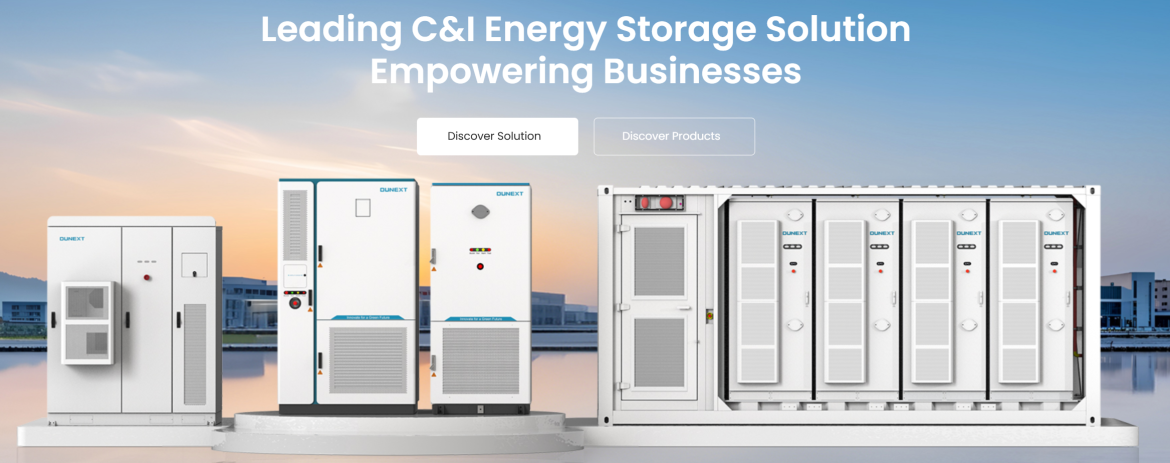
Containerized systems solve several of the technical challenges at once: they offer a standardized enclosure, factory-tested balance-of-plant, and reduced on-site assembly time. For operators who need turnkey predictability, a bess battery container can be specified to meet the required duration and power profile while keeping safety and thermal systems consolidated. That consolidation shortens commissioning windows and lowers field coordination errors—exactly what you need when downtime equals tangible cost.
Common deployment mistakes and how to avoid them
Teams often repeat the same errors. Avoid these bluntly:
– Mis-sizing: choosing a unit based on peak power only, then discovering energy capacity is insufficient for daily shifting. – Ignoring protection coordination: poor relay settings lead to nuisance tripping or, worse, failures to isolate faults. – Skipping operational procedures: staff must have clear runbooks for automated modes and manual override. – Underestimating thermal management: local climate and rooftop sun exposure change cooling load calculations. – Permitting oversight: failing to engage local AHJ early creates last-minute redesigns.
Trade-offs and alternatives to consider
Battery containers are often the fastest path, but alternatives deserve a short check when the problem set differs:
– Thermal storage: good when end-use is heat or chilled water, but offers no fast grid services. – Flywheels: excellent for sub-second to minute-level frequency response, but poor for multi-hour needs. – Distributed demand response: low capital but limited control and uncertain reliability. – Long-duration chemistries or hydrogen: emerging for multi-day shifting but with higher complexity and infrastructure demands.
Practical procurement and testing advice
Write requirements that map to the problems you listed. Include performance warranty by power and energy throughput, factory acceptance tests for safety and control sequences, and follow-up commissioning tests under realistic loads. Require clear documentation for cyber protections and remote telemetry so operators can verify response times and state-of-charge behavior without guesswork. Insist on accelerated degradation tables to know replacement timing.
Decision logic that keeps the problem front and center
Make choices by asking three simple questions at procurement: Which specific operational loss am I preventing? For how long must storage respond? Who must operate and maintain the system after handover? Keep answers short and objective—this prevents feature creep and keeps the project focused on solving the real problems, not buying bells and whistles.
Final synthesis and practical value
Problems are not solved by wishful thinking. You need equipment selected against explicit operational failures, tested to real site conditions, and handed to teams that know how to run it. When designs reflect the actual failure modes—peak charges, production interruptions, or grid instability—a containerized battery solution becomes a practical tool rather than an experiment. That pragmatic fit is why experienced project teams choose partners who can align technical capability with site realities; the result looks like mature engineering and steady operations rather than a speculative add-on, and it’s the kind of outcome delivered by Dunext.