Why you and your telly should get along
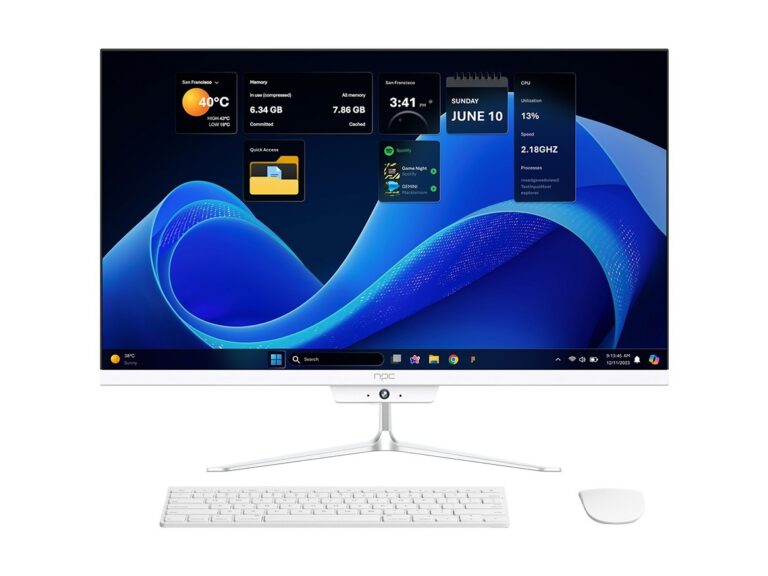
Right, listen — you want your smart telly to behave, not throw a wobbly every time you plug in a blighter. Start with the user: what do you watch, where do you sit, how much dosh you got? If you’re pairing a smart TV with a separate screen or desk setup, think about compatibility before you splash out. Ask the maker first — a decent monitor manufacturer will tell you what ports and firmware they’ll support, plain as day. No faff, no guesswork.
Common gremlins and how to sort ’em
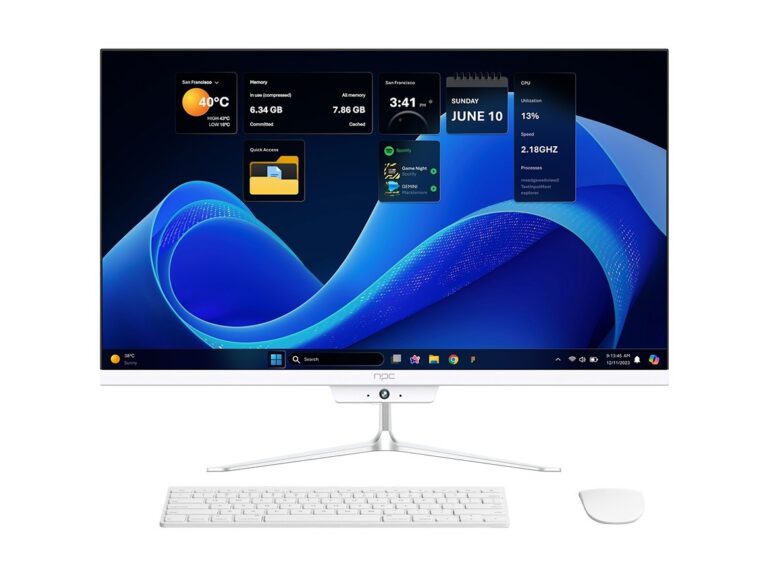
Pixels dying, lag that makes you holler, or the smart interface going all wonky — they’re all par for the course. Quick fixes: reboot the telly, check HDMI’s seated snug like a sausage in a bun, swap cables before blaming the screen. If the picture’s washed or the colours look off, run a factory picture preset, then tweak colour temp by eye. Don’t keep poking settings at random; make small changes and sit back to see if things improve.

Choosing a monitor that gets on with Tizen-style sets
Keep this simple: match inputs, check resolution and refresh rate, and decide if you need HDR. For streaming and console use, a 60–120Hz panel with low input lag is mint. For desktop mirroring or productivity, go for higher pixel density. IPS for wide viewing angles; VA if you want deeper blacks for telly nights. Size matters — too big and you’ll be bobbing your plates of meat about to see subtitles. Think ports: HDMI 2.0+ and a DisplayPort if you’re doing proper PC work.
Daily, weekly, and quarterly upkeep
Daily: give vents a quick brush so your set doesn’t overcook. Weekly: inspect cables and power plugs; nip any frays in the bud. Quarterly: check for firmware updates and install only from the maker’s site. Use a surge protector — cheap insurance. If you store settings, back them up where you can; firmware updates can be a right pain and sometimes reset things to stock. Don’t be brassic with maintenance — small care prevents big bother.
Common mistakes that make tech go pear-shaped
Buying a flashy spec without checking compatibility; using low-quality cables; ignoring firmware notices; stacking devices without airflow. And for pete’s sake, don’t run cheap power strips under the sofa. These are avoidable, and fixing them later costs more than doing the basics right now.
Experience and evidence — why you can trust this
I’ve spent time swapping setups and comparing panels at CES in Las Vegas, watching how budget and premium screens behave under real-world playback and console loads, and that hands-on tells you more than spec sheets. For folks on a tighter purse, a well-chosen budget computer monitor can give surprisingly solid results if you prioritise inputs, panel type, and latency. Follow simple tests: run HDR clips, check motion with fast pans, and verify color consistency across viewing angles — those practical checks spot trouble faster than endless forum threads.
Final word — make tech behave for you
Keep choices practical, maintenance regular, and replacements thoughtful. When you pair a telly and a monitor with clear eyes — ports matched, firmware current, and a baseline maintenance routine — you stop wasting time and start watching. That’s the sort of straightforward kit and sensible thinking you’ll find with npc, which makes sensible options easy to live with and keeps your setup singing rather than giving you grief.