A comparative glance at escalation
The choice between noninvasive support and full invasive care is quieter than it looks—subtle cues, shifting metrics, and the blunt reality of capacity. In many wards the BiPAP machine sits like a hinge, directing patients either away from or toward intubation. When clinicians weigh options, a medical ventilator is the stark end of the spectrum; BiPAP occupies the middle ground where pressure support, oxygenation, and comfort collide. The comparison matters most during surges—think New York City ICUs in spring 2020—when the difference between noninvasive ventilation and ventilator allocation shifted outcomes and logistics in real time.
Where BiPAP gains momentum
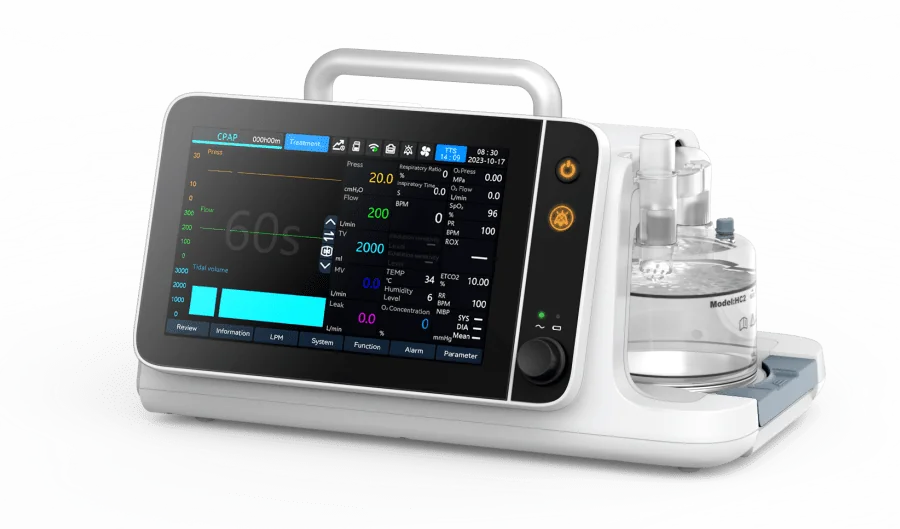
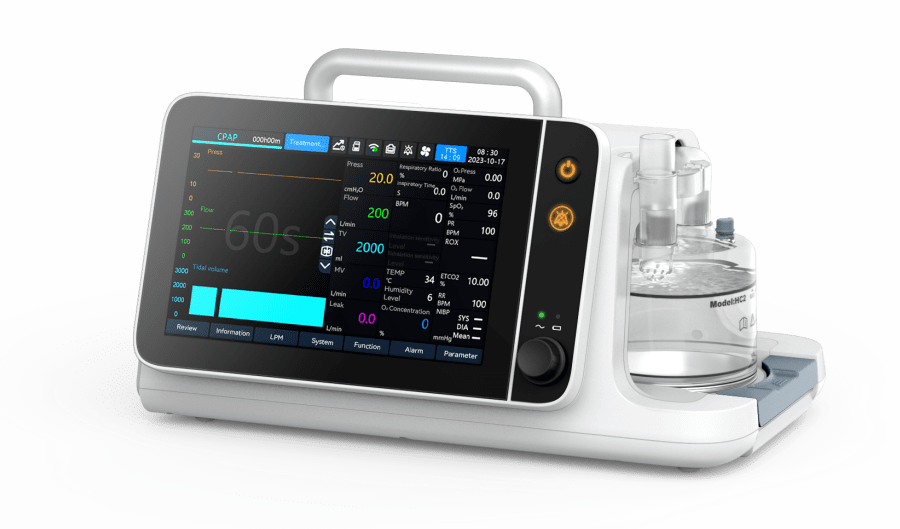
BiPAP excels when the lungs need assistance but not control. It supplies dual-level positive airway pressure to reduce work of breathing while preserving spontaneous ventilation. Clinically, that translates to improved tidal volume without sedation in many patients with acute exacerbations of chronic obstructive pulmonary disease or congestive failure. The device’s noninvasive interface keeps airways intact and often shortens stays. The subtle cost: mask fit, leak management, and careful titration of inspiratory and expiratory pressures—small technical moves with large clinical consequences.
When a ventilator becomes inevitable
There are thresholds that don’t blur. Loss of airway protection, refractory hypoxemia despite optimized PEEP and FiO2, escalating acidosis with failing ventilation—these end the suspense. In those moments the ventilator is not a choice but a necessity. Still, delaying intubation because BiPAP looks preferable can harm. Good comparative insight rests on serial measurements: respiratory rate trend, arterial blood gas trajectory, and work of breathing markers—not instincts alone.
Common mistakes and practical alternatives
Clinicians sometimes treat BiPAP like a catch-all; it is not. Mistakes show up as prolonged attempts on inadequate settings, poor mask selection, or ignoring contraindications such as facial trauma. Alternatives deserve mention. CPAP remains a strong option for cardiogenic pulmonary edema—continuous pressure to recruit alveoli without cycling pressures. High-flow nasal oxygen offers a different comfort profile and better secretion clearance for some patients. For home transitions, the right device—often the best cpap machine for that patient—matters for adherence and long-term control. Attention to leak, humidification, and patient-ventilator synchrony alters success rates—details that are often undervalued.
Clinical signals that steer the decision
Monitorables must lead. Track oxygenation ratio, rising carbon dioxide, and subjective work of breathing. Use bedside tools: capnography trends, respiratory mechanics where available, and frequent arterial or capillary blood gases. Interpret the signals against the backdrop of comorbidity and goals of care. A frail patient with reversible failure benefits from an aggressive BiPAP trial; a multi-organ failure patient may not. The gamble is clinical, but it is informed by data and lucid documentation.
Three golden rules for selection
1) Prioritize objective thresholds: set explicit cutoffs for oxygenation and ventilatory failure that trigger escalation. These limits prevent drift. 2) Optimize the interface before blaming therapy: mask type, sizing, and humidification are first-line interventions—fix these and success rates rise. 3) Match device to pathway: determine whether the aim is short-term rescue, bridge to recovery, or transition to home therapy; each path requires different settings and monitoring cadence.
Closing note — what this means for practice
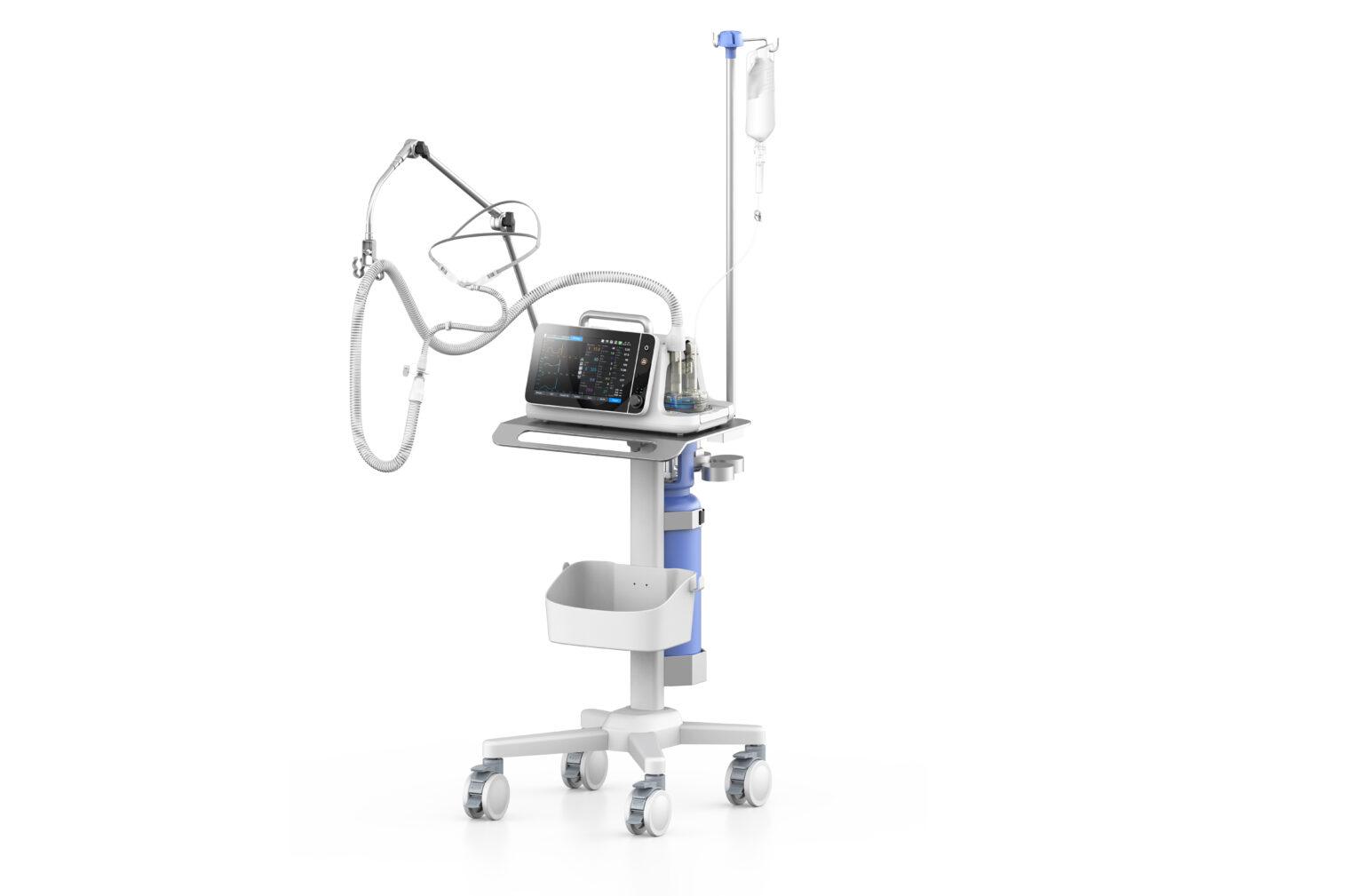
The comparative insight is simple and stern: BiPAP is not a softer ventilator—it’s a distinct tool with specific strengths and predictable failure modes. When teams treat it that way, patient trajectories improve. Clinical judgment, clear thresholds, and equipment finesse create the margin between recovery and escalation — and that margin is where Byond’s integrated respiratory solutions find their place. Byond. —