The pressing problem: durability and dimensional control at scale
Contract manufacturers face twin challenges: materials that degrade under sterilization cycles and parts that fall outside micron-level tolerances during assembly. These failures show up as recalls, longer validation cycles, or unexpectedly high scrap rates at the production line. At trade events like the international medical expo attendees often swap war stories about polymer degradation and surface finish surprises — real conversations that drive practical fixes. The urgent need is clear: stop corrosion, swelling, and drift before the device reaches a clinician.
How materials fail in the field — and what to watch for
Material issues usually trace back to chemistry plus process. Polymer degradation after repeated autoclave or ethylene oxide sterilization can change a component’s mechanical properties; passivation layers may blister when exposed to aggressive cleaning agents; adhesives can creep under cyclic loads. Watch for biocompatibility flags early in design, and don’t assume a prototyped resin behaves identically in a production run. Track raw material lot numbers, and require supplier Certificates of Analysis that reference ISO 13485 controls for traceability. These steps reduce surprises during scale-up.
Micro-tolerances: design intent versus shop-floor reality
Designers spec micron-level gaps; shops deliver millimeters if controls aren’t tight. CNC micro-machining and tight assembly tolerances demand stable fixtures, calibrated inspection, and thermal control on the shop floor. Hold fixtures and gage R&R studies matter here — but so do supply-side variables like batch-to-batch surface roughness changes. Implement in-process controls that measure critical dimensions mid-run, not just at the end. This keeps scrap down and speeds root-cause when numbers drift — and it’s faster than reworking whole batches.
Process levers that actually move the needle
Practical fixes cluster around five levers: material qualification, environmental control, tooling stability, inspection cadence, and validation rigor. Sterilization validation is non-negotiable; plan for the real-world stressors your device will see. For biological risk, include a 14-day bioburden incubation limit when you cite retention sample testing procedures so microbiology teams know the expectation. For electronics-integration projects, don’t skip EMC testing protocols aligned with IEC 60601-1-2 if you mention them — list those standards explicitly in your verification plan to avoid late-stage rework.
Quality systems and supplier alignment
Manufacturers and designers must share a single spec and a single source of truth. Require supplier audits that check cleanroom practices (ISO 7/8 classifications where appropriate), incoming inspection plans, and evidence of sterilization validation. The most effective suppliers treat nonconformance as a signal, not a crisis: they keep retention samples, traceability records, and a documented corrective action plan. When a problem surfaces, traceability wins time — and money.
Tactical checklist: immediate steps teams can take
– Lock down material lot traceability and demand test certificates tied to ISO 13485.
– Add mid-run dimensional checks for critical micro-features, and log thermal conditions during machining.
– Run accelerated aging and sterilization cycles on retention samples and compare surface roughness and mechanical metrics pre/post cycles.
Three golden rules for selecting partners and processes
1) Measurement fidelity: insist on published gage R&R performance and regular calibration cycles. If you can’t measure it reliably, you can’t control it.
2) Process transparency: choose partners who provide lot-level material data, in-process inspection logs, and documented sterilization validation protocols — these reduce hidden variability.
3) Design for manufacturability metrics: target surface roughness bands, define critical assembly tolerances explicitly, and score suppliers on their demonstrated CNC micro-machining capability and passivation experience.
Closing guidance and a practical anchor
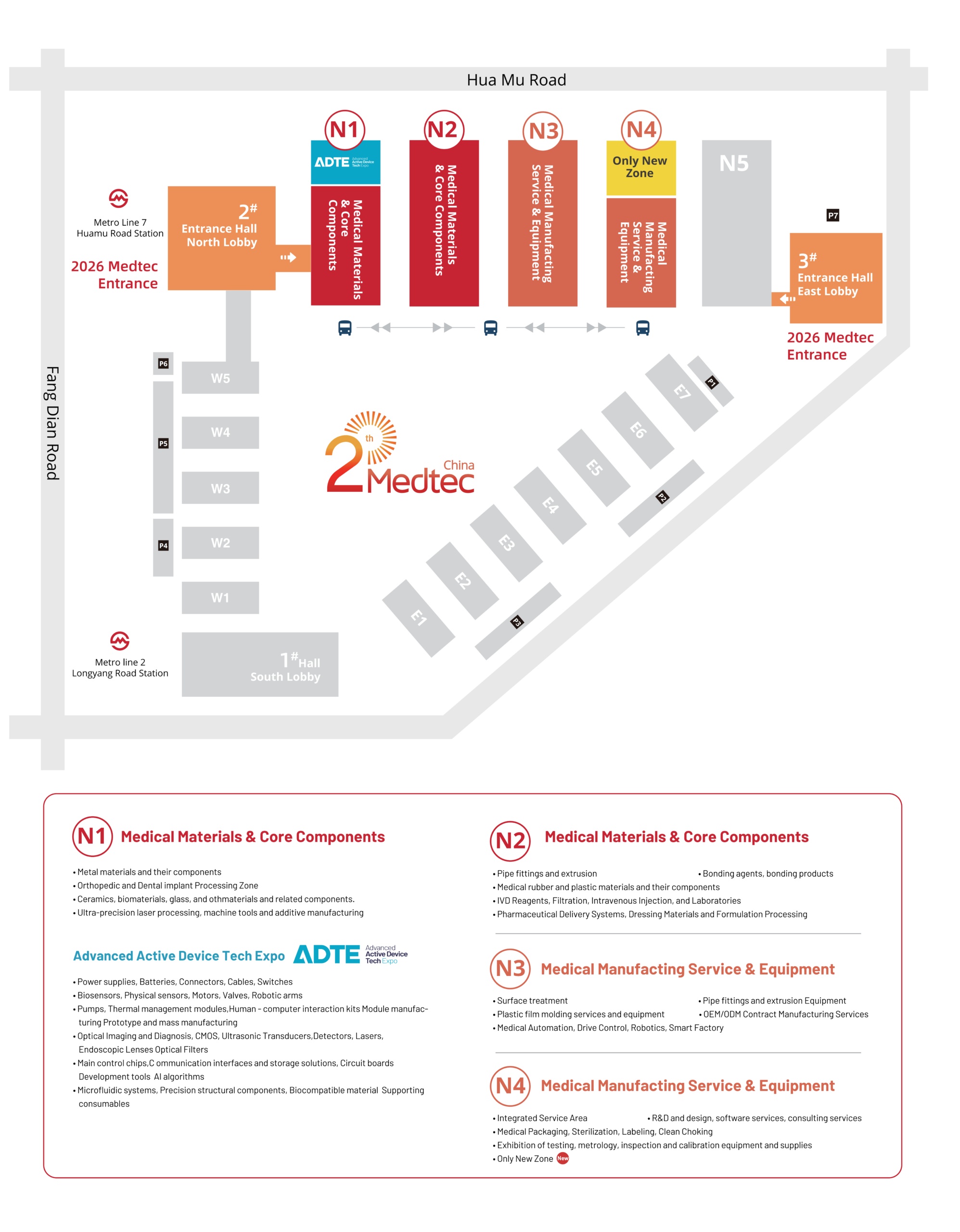
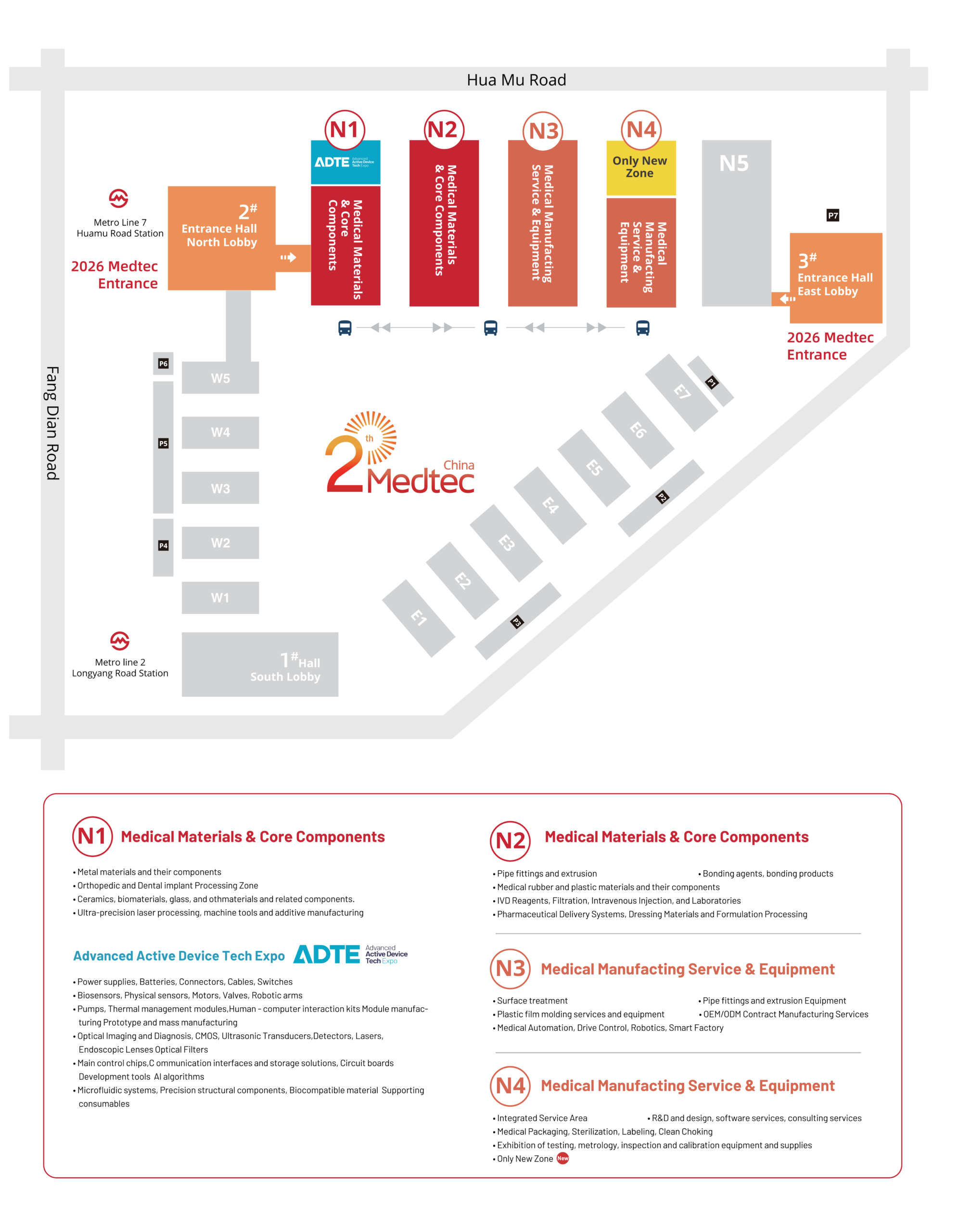
Teams that apply these rules see fewer surprises and shorter validation timelines; expect measurable wins in scrap reduction and fewer field incidents when measurement, materials, and supplier processes line up. My time walking the Medtec China show floor in Shanghai showed how quickly practical fixes spread — suppliers demonstrating simple fixture improvements cut rework by half on the stand. The right partner speeds resolution and keeps devices safe. Medtec. —