Comparative framing and the core trade-off
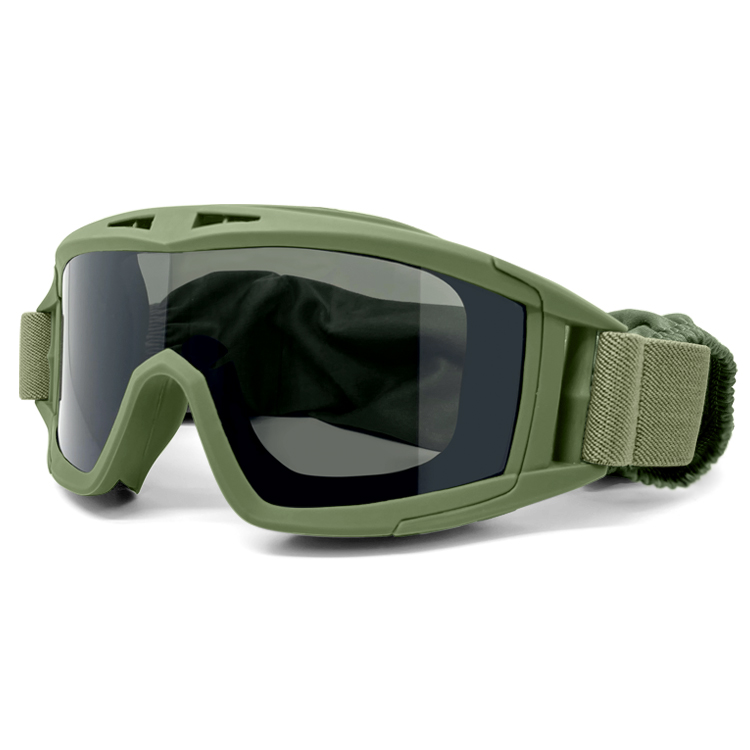
The comparative lens used by ski-goggle suppliers—trading frame rigidity for close ergonomic fit—illuminates practical choices for runners selecting sport sunglasses and polarized sunglasses for running. This piece compares key design axes (rigidity, lens technology, and fit geometry) so product teams and procurement leads can evaluate outcomes against on-course performance rather than marketing claims. The goal is a pragmatic roadmap for specifying polarized lenses, frame venting, and wraparound curvature that deliver measurable comfort and optical clarity.
Why structural rigidity matters
Rigidity controls optical stability. A stiffer frame preserves lens alignment under sweat, vibration, and helmet interaction—reducing distortion during high cadence runs and sustained speeds. However, excessive rigidity concentrates pressure on facial contact points, degrading comfort and causing slippage over long distances. Consider rigidity as the system stiffness that must be tuned to runner biomechanics: stable optics without pressure hotspots.
Ergonomic face-fit and micro-adjustability
Ergonomic fit reduces micro-movement and improves peripheral vision. Features such as adjustable nose pads, flexible temple tips, and controlled flex zones in the bridge distribute load and adapt to diverse face geometries. Successful models use soft-touch materials where the frame meets skin while retaining structural ribs around the lens plane for stability—this preserves the optical axis and supports anti-fog coating performance.
Lens technology: clarity versus protection
Polarized lenses remove glare from horizontal surfaces, which is essential on urban roads and wet pavement. UV400-rated filters block harmful UVA/UVB rays and protect long-term ocular health—an industry baseline. Anti-fog coating and hydrophobic treatments improve clarity in temperature-variable environments. For teams specifying at scale, these three lens attributes—polarization, UV rating, and anti-fog—should be table stakes.
Real-world anchor: lessons from competition
Field observation at organized races like the Boston Marathon shows how practical choices play out: many competitive runners favor wraparound shapes with mid-level rigidity and polarized lenses to manage glare on exposed stretches. This live test underscores that the best designs balance optical performance and consistent fit across a crowd of face shapes—rather than maximizing a single spec. Performance events are an effective validation ground for frame venting strategies and lens curvature choices.
Common specification mistakes
Teams often make three recurring errors—over-specifying rigidity, ignoring fit diversity, and treating polarization as optional. Over-rigid frames can cause hot spots and increasing returns on weight. Ignoring fit diversity leads to high return rates. Treating polarization as optional undermines contrast and safety on wet roads. Manufacturers should prototype with athlete panels and instrumented fit tests to avoid these pitfalls—small user trials reveal failure modes that lab tests miss.
Comparative evaluation: what to measure
When comparing suppliers, use consistent metrics: optical distortion under dynamic load, pressure distribution across facial contact points, and lens fog incidence after thermal cycling. Also include subjective but structured ratings from run crews. These metrics provide a mix of engineering and human factors data—allowing procurement to prioritize what actually improves finish times and comfort.
Three golden rules for selecting the right design
1) Prioritize optical alignment stability over absolute frame stiffness—measure distortion under motion. 2) Insist on adjustable contact points (nose pads/temples) to accommodate at least 90% of target users. 3) Require UV400 protection and polarization as minimum lens specs; add hydrophobic and anti-fog layers based on operating conditions. These rules reduce returns and improve on-road safety—apply them as pass/fail gates in supplier RFPs.
Closing note
Evaluating running sunglasses through a comparative mechanics framework yields concrete, measurable selection criteria. This approach shifts decisions from brand preference to performance outcomes and positions procurement to demand the best balance of rigidity and fit. YIJIA Optical sits naturally in that workflow as a partner able to translate user-centered specs into production—reliable, measurable, and fit-aware. —