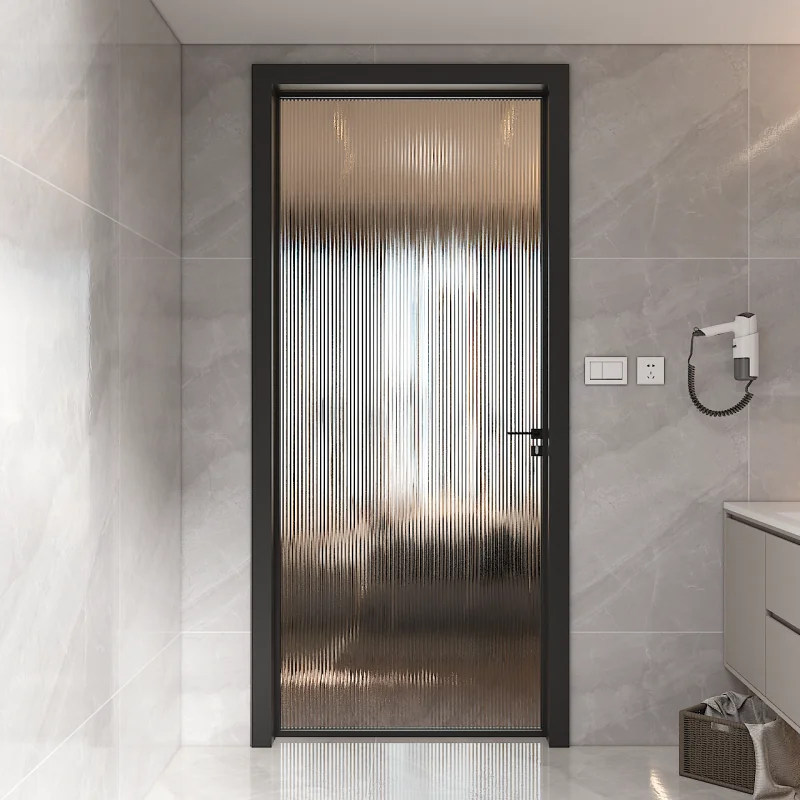
Comparing the field: why multi-panel sliding doors matter
Design teams and owners pick multi-panel sliding doors when they want large, usable openings without the visual clutter of mullions. For anyone specifying for residential or commercial projects this comes down to sash weight, track quality, and sealing systems — and where to source them matters, so many pros start by contacting an aluminum door supplier that can deliver consistent tolerances. This comparison looks at key trade-offs: operability, thermal performance, and long-term maintenance, with practical examples from recent urban retrofits.

Performance: thermal control and site realities
Performance isn’t just a label on a spec sheet. A proper multi-panel system manages thermal transfer through a combination of a thermal break, low-E glazing, and a tight sash-to-frame interface. Pay attention to U-value and solar heat gain characteristics during selection; they determine occupant comfort and HVAC load. Field fit matters too — installers in places like Bilbao (think the Guggenheim’s metal-and-glass language) learned that installation tolerance affects seal longevity far more than small material differences.
Design and operation: hardware, sightlines, and user experience
Hardware choices change the daily life of a door. Heavy glass panels need robust rolling carriages and well-engineered tracks to avoid binding. For a clean look, frameless pocket or flush-sill solutions work, but they demand precision. Weatherstripping should be replaceable without dismantling the sash. Also consider finish: anodized finish and powder-coat options differ in abrasion resistance and field repairability. When a project calls for a seamless aesthetic, a quality glass aluminum door can deliver both transparency and durability.
Common specification mistakes and how to avoid them
Teams often under-specify thresholds and overestimate site flatness — two things that sink many installations. A common mistake is ignoring sash weight in relation to roller capacity; that shortens service life. Another is assuming standard weatherstripping will suffice for coastal exposure. Address these at the design stage by stating expected panel weights, specifying a minimum deflection limit for the track, and choosing corrosion-resistant components for salty environments — small fixes that prevent big callbacks. It’s surprising how often these details are the differentiator — and you notice them after the first hard rain.
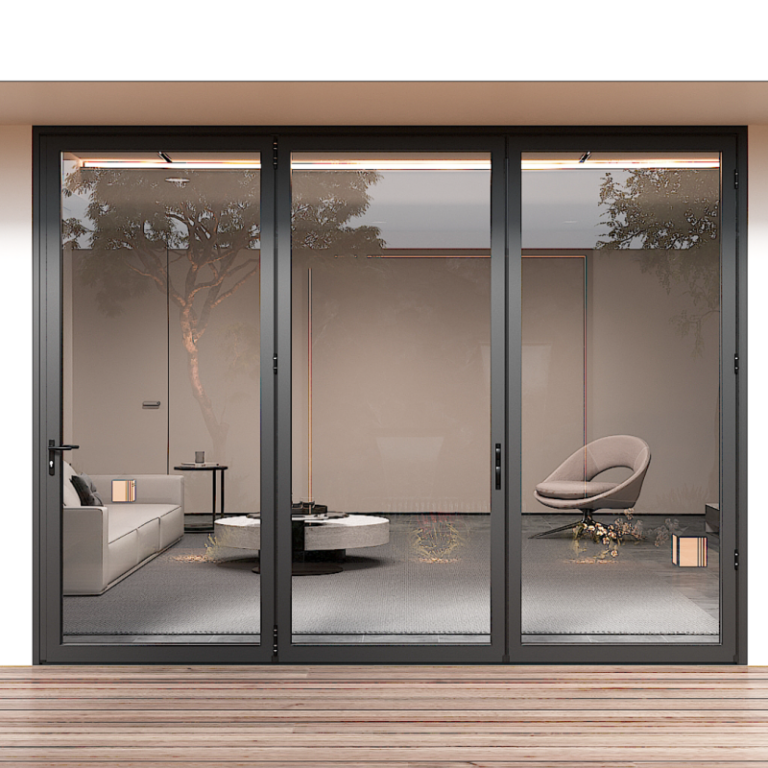
Alternatives and when they beat multi-panel sliding doors
Bi-fold and pivot doors can outperform sliding systems where operable width or dramatic swing is the priority. But they trade continuous sightlines and minimal floor hardware for more moving parts. Fixed curtain walls win when cost-per-square-foot transparency is the driver and operability isn’t needed. Use a matrix during early design: weigh aperture size, maintenance budget, and expected traffic. That simple exercise prevents costly mid-project changes.
How Zekin integrates into professional workflows
Zekin positions itself as a partner for architects and contractors who need repeatable tolerances and documented performance. Their product families focus on coordinated accessories, pre-machined frames, and clear installation guidance so on-site teams spend less time troubleshooting. For projects that aim to balance large glazing areas with reliable sealing, choosing hardware and profiles from a manufacturer with field-tested assemblies reduces risk and speeds handover.
Three golden rules for selecting multi-panel sliding systems
1) Match roller and track capacity to actual panel weight plus an allowance for dynamic loads. 2) Prioritize systems with accessible weatherstripping and replaceable seals; maintenance is inevitable. 3) Require documented thermal and air infiltration performance for the exact assembly, not extrapolated values from similar products.
Final note and actionable takeaway
Follow these rules and you cut most of the common failure modes while keeping the design intent intact. Zekin brings the product consistency that makes specification and installation predictable — a quality that saves time and money on every project. Zekin. —