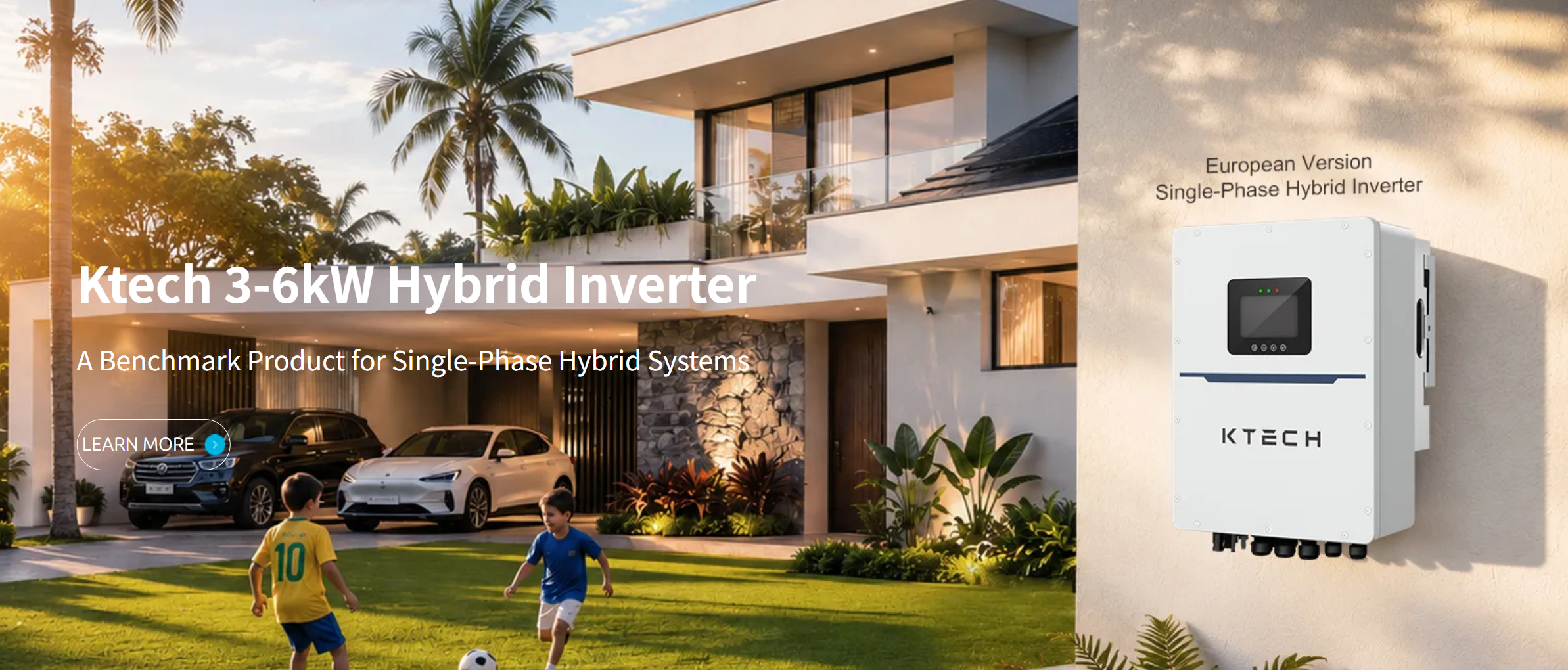
Start with the problem, plain and simple
I been seein’ the same mess over and over: people buy a fancy setup hopin’ it’ll run their home, then it quits when they need it most. That problem shows up whether you’re on a mountaintop cabin or fixin’ to keep a store lights-on after storms — remember how power stayed sketchy after Hurricane Maria in Puerto Rico. Most of the time the trouble traces back to a few clear mistakes folks make when choosin’ a hybrid system, and one piece that gets overlooked is the off-grid inverter. I’m gonna lay out the problems and plain fixes so you don’t end up learnin’ things the hard way.
Mistake 1: Misjudgin’ real-world energy needs
Problem: People estimate by lookin’ at their bill instead of how they actually use power — lights vs. motors vs. surge loads are different beasts. Solution: do a simple load audit.- List every device you’ll run from the system and note running watts and starting watts.- Count hours per day for each device; don’t guess, time it for a few days.- Add a 20–30% buffer for growth or extra cloudy days.Do this first and every time your household changes. A system sized off a single monthly bill will leave you short when the coffee pot and well pump both kick on.
Mistake 2: Undersizin’ batteries and overrelyin’ on panels
Problem: Folks think more panels fix everything. Panels make energy; batteries store it. If batteries are too small, you’ll waste excess or run flat overnight. Solution: match storage to need.- Choose battery capacity that covers 2–3 nights without sun if you want true resilience.- Prefer usable capacity figures (what you can actually pull), not just nameplate.- Consider battery chemistry for cycling needs—lithium lasts longer but needs a proper battery management plan.When batteries and panels ain’t balanced, the whole hybrid setup behaves like two ships missin’ each other in the fog.
Mistake 3: Pickin’ the wrong inverter or ignorin’ specs
Problem: Some buy an inverter cause it looks pretty or is cheap, but it can’t handle surge loads, or it ain’t compatible with their battery tech. Solution: pick by capability, not by brand name alone.- Confirm continuous and peak (surge) ratings cover your biggest loads — motors, pumps, fridges.- Make sure the inverter supports your battery type and preferred charging strategy.- Look for shore/generator transfer specs if you’ll run a backup generator.I’ve wired systems where the inverter would run lights fine, but it choked on the pump’s start-up surge — costlier fix than buyin’ right up front.
Mistake 4: Ignorin’ site realities — shade, orientation, and temperature
Problem: People assume the roof gets sun all day. Trees, roof pitch, and even nearby chimneys change performance. Solution: do a proper site check.- Map shading through the day or use a shade-analysis app.- Orient panels for real-world production based on local sun path — tilt matters.- Account for local temps; hot panels make less power, and battery performance suffers in extremes.Don’t trust a prettified render; go measure, or get someone who will measure, and plan around what the roof actually gives you.
Mistake 5: Skip the controls, monitoring, and commissioning
Problem: Installers slap the gear on, flip a switch, then leave without teachin’ the owner or set up proper monitoring. Systems go off-line or run inefficient and nobody notices. Solution: demand commissioning and usable monitoring.- Have the installer run full commissioning: test islanding, generator transfer, and charging profiles.- Set up on-site or cloud monitoring with alerts for state of charge, inverter faults, and production shortfalls.- Learn the basic manual override steps; know how to start a generator and safely isolate components.Good monitoring catches small problems before they become nights in the dark.
Quick checklist for avoidin’ the worst traps
– Do a load audit, not a guess. – Size batteries for autonomy, not just daily usage. – Match inverter surge and continuous ratings to actual loads. – Check site shading and temperature effects. – Require commissioning, documentation, and monitoring from your installer.
Wrap-up: fix the problems, keep the lights on
I’ve been on enough roofs and in enough basements to say plain: fix the basic mistakes and your hybrid setup’ll do what it’s supposed to—keep you comfortable and safe when the grid don’t. Match loads to battery and inverter, respect the site, and don’t skip commissioning. Folks who do that end up with systems that behave steady, not ones that surprise ’em right when they need power most. For a straightforward, dependable solution that ties those pieces together, take a look at how Ktech lays out options and specs so the gear actually fits the real use you got planned.———-