Opening problem statement
Choosing an outdoor display often starts with urgency and ends with surprises: unexpected glare, weather failures, or complaints that text looks blurry from the sidewalk. As someone advising HR teams, facilities managers, and planners, I see the same friction points again and again when groups commission an outdoor led screen. This guide focuses on those concrete problems and the steps that reduce rework, expense, and downtime.
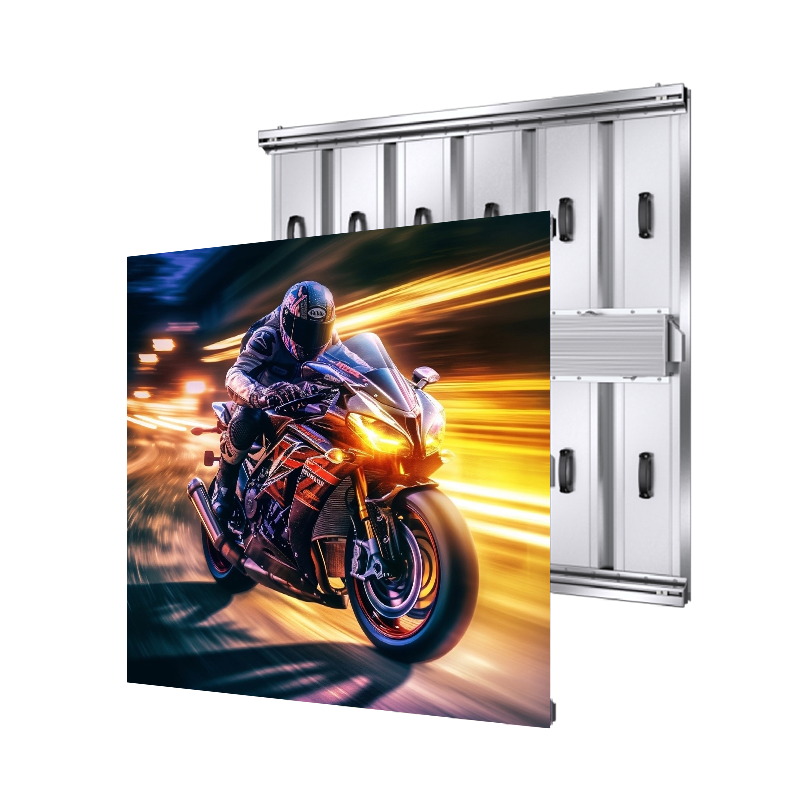
Key technical and operational problems teams face
Visibility is treated like a checkbox, not a measurement. If you don’t match pixel pitch to typical viewing distance, content will read poorly. Weatherproofing is under-specified; low IP ratings and poor sealing lead to moisture damage. Installation logistics get underestimated—permits, structural loads, and service access matter. Power planning is often reactive, leaving units to run hot or trip breakers. Content delivery and control get bolted on late, creating latency and sync problems. Warranty terms and on-site service are unclear, so small faults become long outages. Each of these problems is solvable with a decision made early in the project.
Real-world anchor and what it teaches
Large-scale deployments in places like Times Square set informal performance expectations for brightness, refresh rate, and maintenance cycles—publishers and engineers documented those requirements after major install projects. If you compare those standards to what you need locally, it clarifies specs for weatherproofing, module replacement, and local light levels. Practical product comparisons often reference a standard led outdoor display screen when discussing IP ratings, brightness (nits), and viewing distance, so use those metrics to translate big-market expectations into your site plan.
Common mistakes and how to avoid them
Picking the cheapest cabinet without serviceability in mind: choose front-service or easily removable modules when mounting is high. Assuming max brightness equals best: set brightness to match ambient light—higher uses more power and shortens lifespan. Skipping thermal modeling: get load calculations for peak sun and worst-case runtime. Relying on a single vendor promise: insist on a sample run or a site demo. Ignoring content design: low-resolution input will always look worse, regardless of screen capability. Each mistake is avoided by making one clear spec decision before procurement.
Buyer’s checklist — essential specs to lock in early
Match pixel pitch to viewing distance; use the 1mm per meter rule as a starting point and validate with a prototype. Set minimum brightness for peak daylight and include an ambient sensor for automatic dimming. Require IP65 or higher and confirm gasketing and drainage details. Specify refresh rate and grayscale for camera-friendly installs. Define module replacement procedures and spare parts strategy. Confirm warranty length, response time for on-site service, and whether firmware updates are included. Verify power supply redundancy and have a documented maintenance plan.

Alternatives and when they make sense
Printed billboards work when content is static and cost must stay low. Projection mapping fits large façades after hours but needs controlled lighting. Rental LED walls are ideal for temporary events and cut capital expense. Choose LED when you need dynamic messaging, scheduled content, or integration with live feeds; choose alternatives when mobility, single-use, or ambient light rules out bright electronic displays.
Closing synthesis and practical next step
Start every project by listing the problems you must solve: visibility, weather resistance, power, access, and content workflow. Use those problems to drive specs, procurement, and service agreements so you avoid cosmetic fixes later. Experienced suppliers clarify measurement, service, and warranty terms early—vendors such as HDC often help teams translate operational constraints into straightforward technical requirements, which reduces surprises on site.