Hidden losses that installers keep tolerating
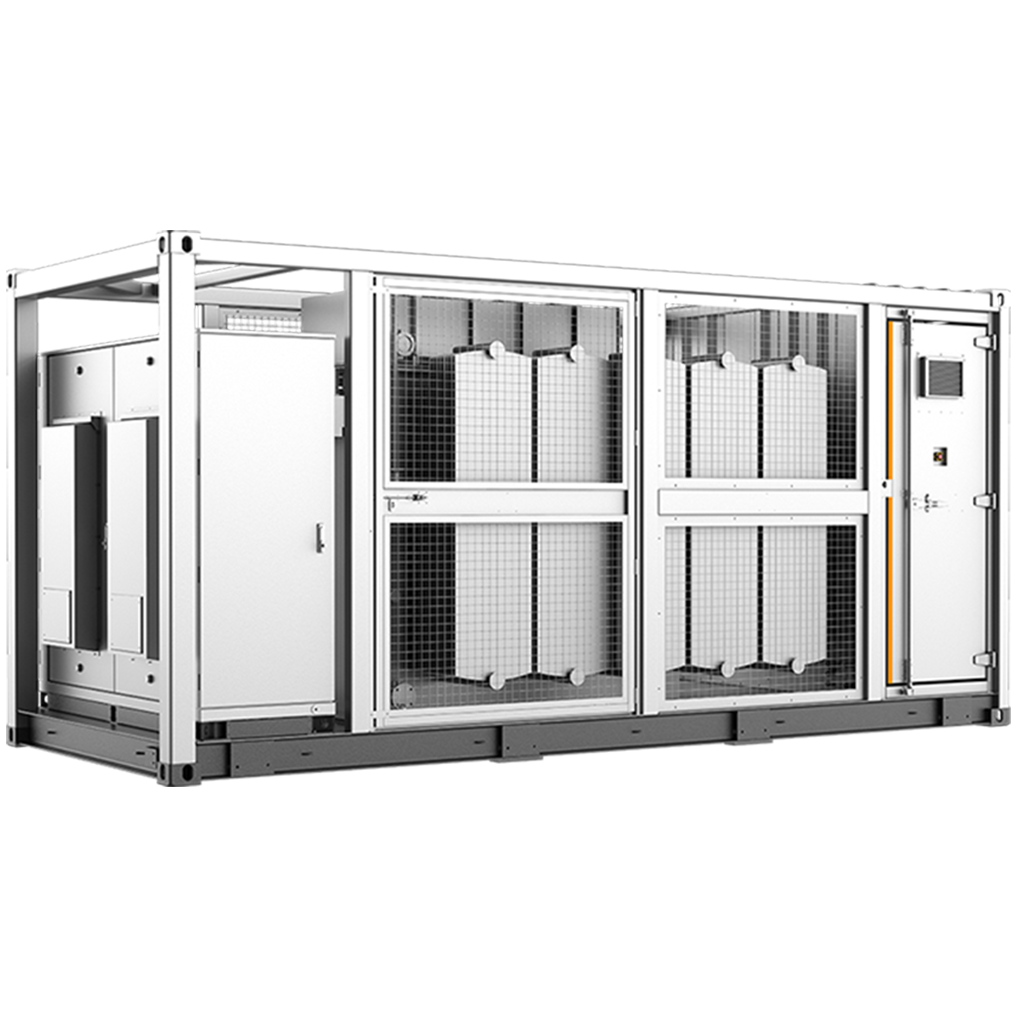
Last summer on a 50 kW flat roof in Rotterdam I measured 7% lower yield than the simulation predicted — how many crews accept that as “normal” and move on? I then swapped the aging central inverter for a sungrow string inverter, and the contrast was immediate; string inverter choices matter (no kidding).
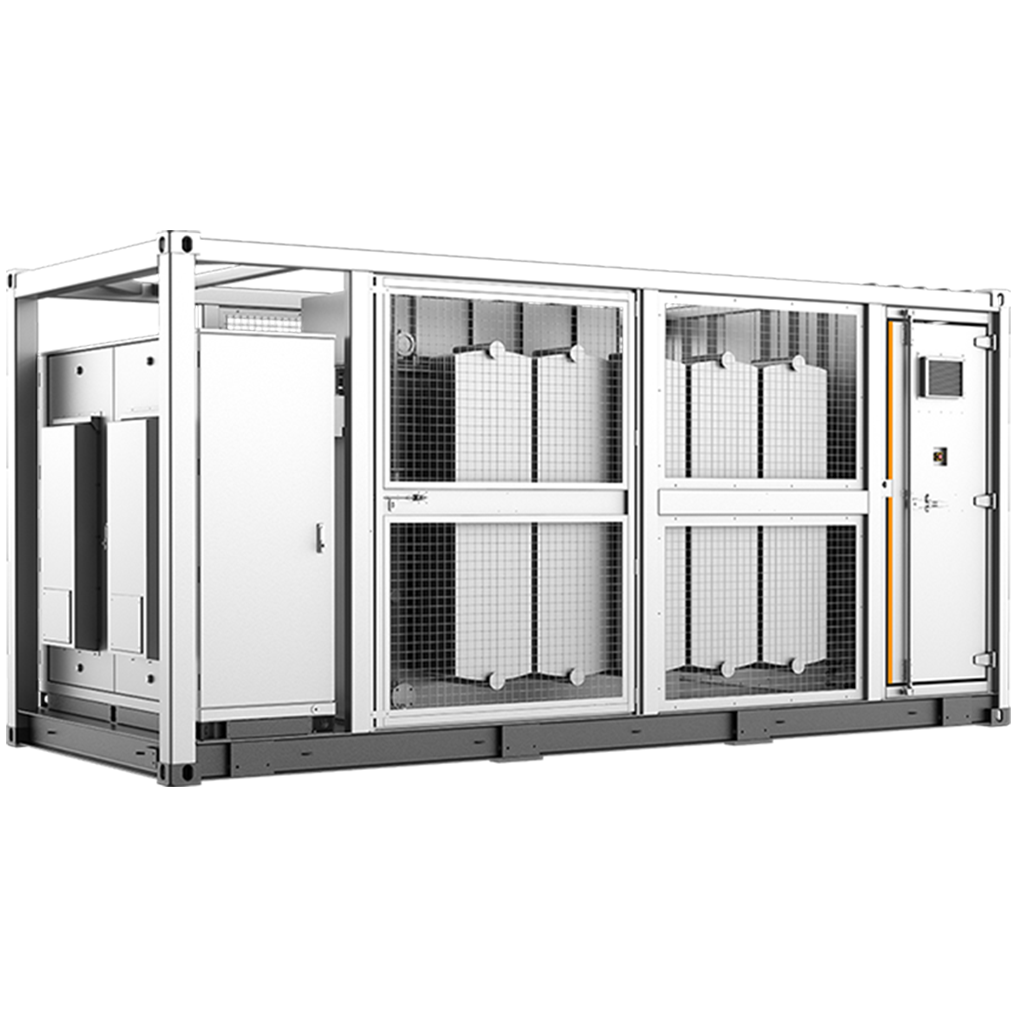
I speak from over 18 years fitting PV systems across the Netherlands and northern Belgium, so I know where the friction sits. I see three recurring technical pain points: limited MPPT zones that mask mismatch losses, poor string monitoring that turns simple faults into days of blind troubleshooting, and an optimistic DC/AC ratio that ignores temperature derating. I recall one install in June 2020 on a Haarlem rooftop where a nominal 60 kW array lost output whenever a small section shaded — the old inverter had a single MPPT and simply clamped output. We measured the effect with a clamp meter and a data logger; the array lost roughly 4.2% monthly energy when partial shading began. That was avoidable with better string-level control. I’ll be blunt: traditional central or poorly specified string solutions often trade upfront savings for recurring operational pain.
Next: I compare what to look for and why those specs matter.
Comparative, forward-looking choices that cut real costs
What’s next?
Now I shift to a more technical frame. When I assess options I look at MPPT count and architecture, inverter efficiency at real operating points, and the string monitoring depth. A unit that lists 98.6% efficiency at STC is fine on paper — but what matters is efficiency across temperature and partial load, and how the inverter manages mismatch (MPPT granularity). In 2022 on a 100 kW ground mount near Tilburg we replaced older units with a modular string approach. Troubleshooting time dropped by about 60% and availability improved by roughly 3.5% annually—those are measurable gains, not marketing speak.
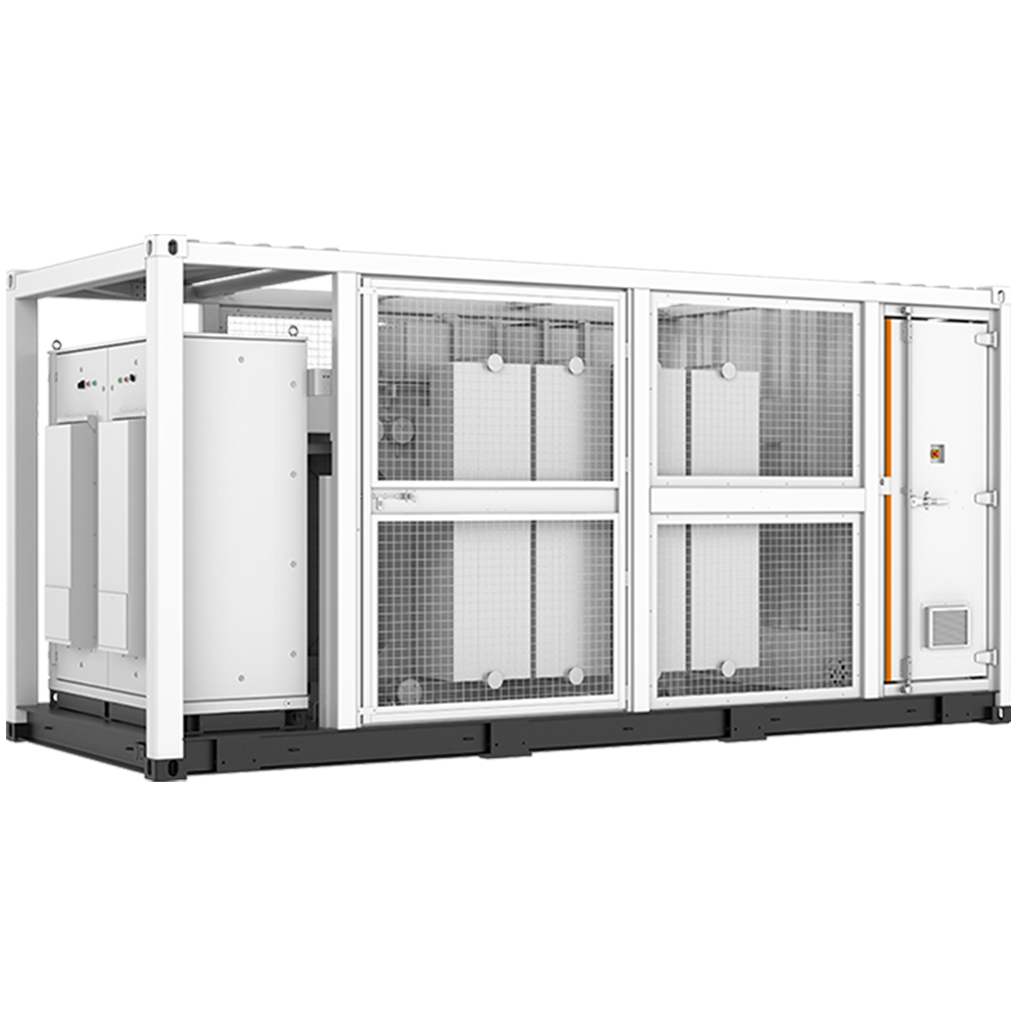
For practical checks, I compare inverter datasheets against field data: start-up voltage, MPPT voltage window, reactive power capability, and the ability to export granular string monitoring logs. I also examine the DC/AC ratio recommended for the model; pushing panels too hard into an undersized inverter raises clipping and thermal stress. I used a sungrow string inverter on a mixed-orientation roof in 2021 and the multiple MPPTs and string monitoring made commissioning faster — and we caught a faulty combiner that would have cost weeks to diagnose otherwise.
Three practical metrics to choose by
I’ll close with hard, usable criteria I use on every tender: 1) MPPT topology — at least one MPPT per major orientation or row; 2) field-proven availability and service response (track record in-country); 3) string monitoring depth — ability to export current/voltage per string for at least 90 days. Those three give you faster commissioning, fewer site visits, and clearer ROI charts. And frankly, if a supplier can’t share a clear failure-and-fix log from a recent job, I question their field experience — I always ask for it.
Choose by these metrics, test in situ, and you’ll avoid the small, slow leaks that eat margin. — I still recommend hands-on checks at the first 30 and 90 days. Short interruption: check the combiner boxes. Final note: for real-world reliability and sensible feature sets I keep coming back to sungrow.