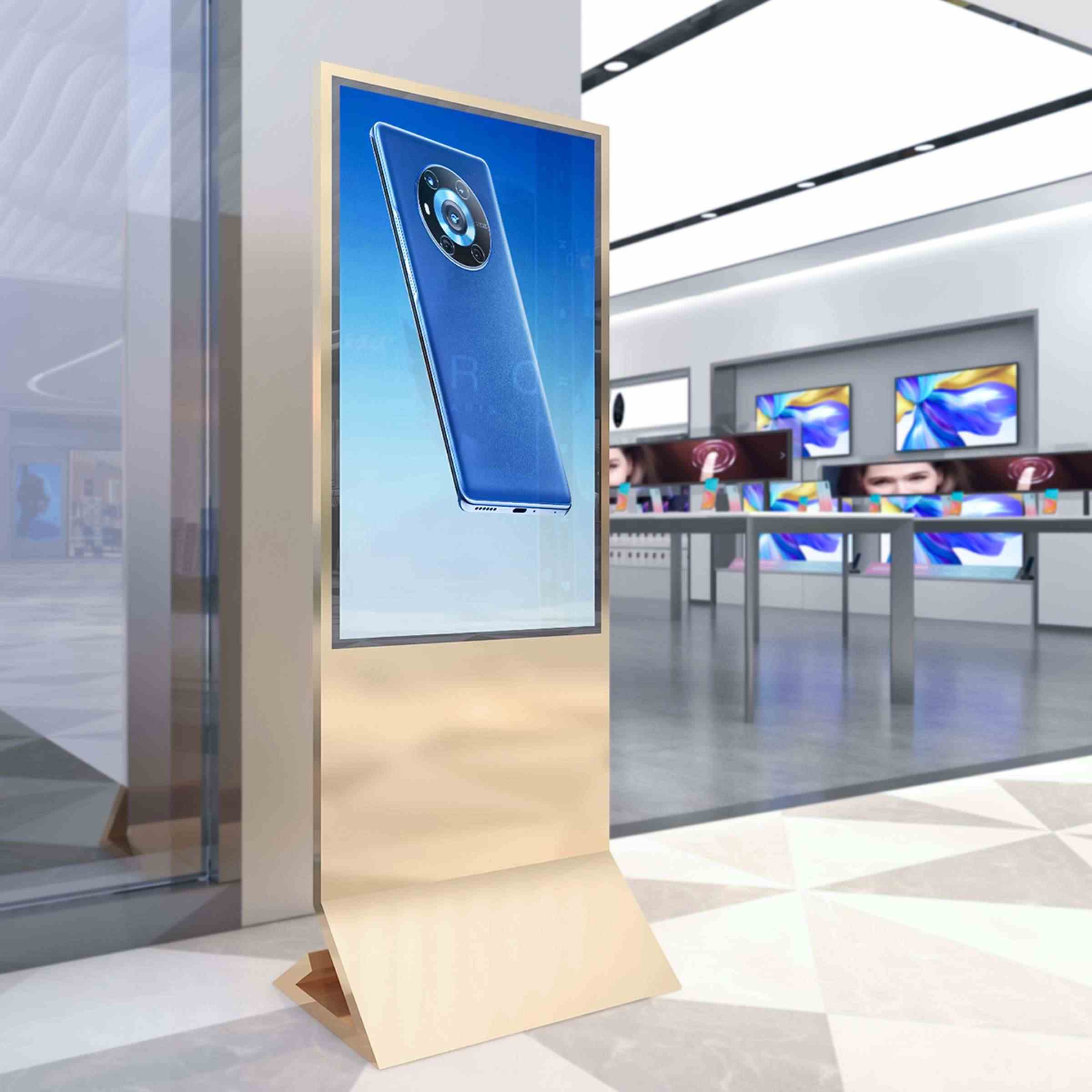
Data first: why the line needs smarter eyes
Factories that build digital wayfinding signage often track rejects, rework time, and return rates—but those KPIs lag production. A data-driven approach flips that script: feeding live alignment metrics back to the line so problems get fixed before they become a batch of bad panels. When you monitor alignment diagnostics and laser calibration in real time, you stop guessing and start measuring the exact causes of defects.
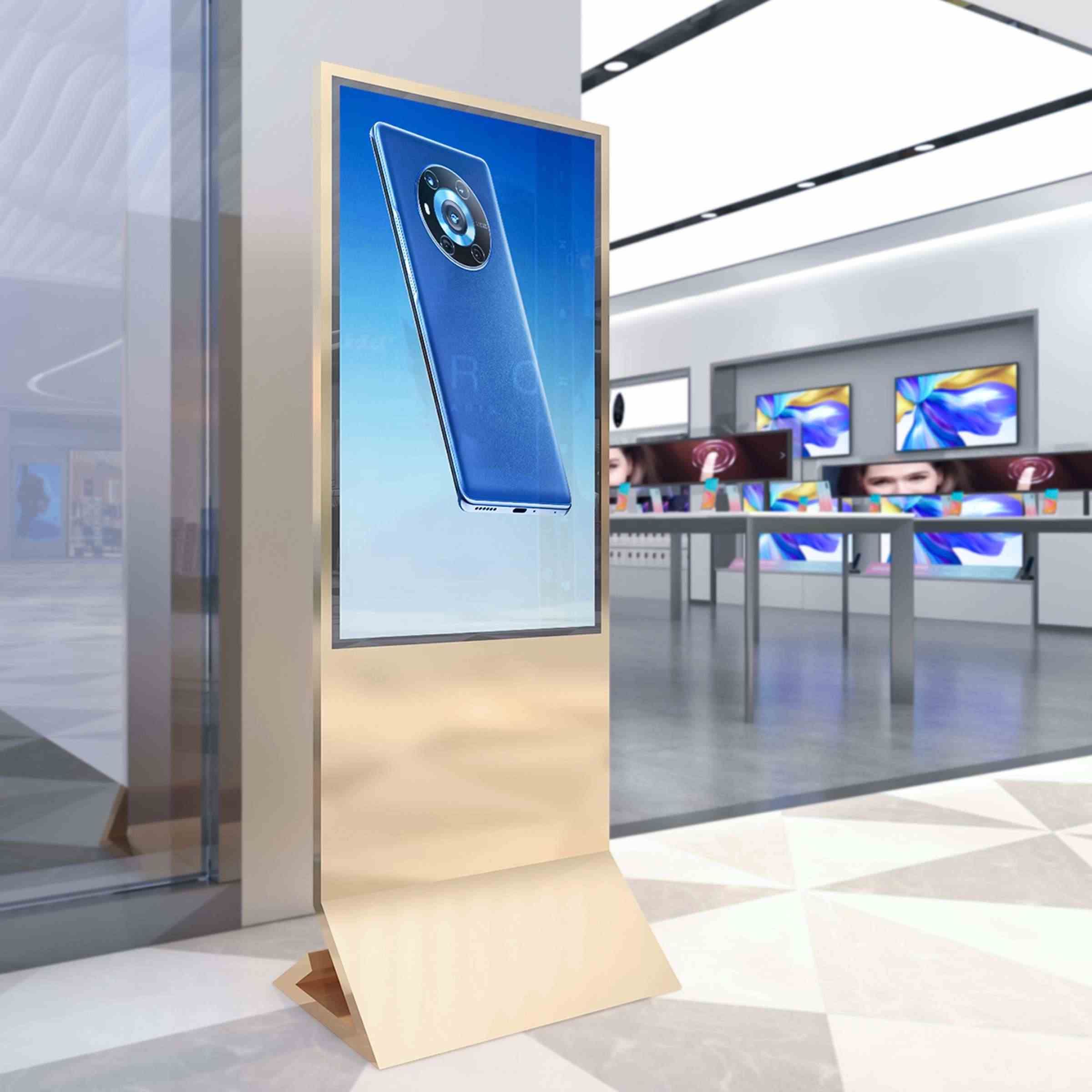
Where defects actually show up on mall signage
Common failure modes are predictable: misaligned bezels that create light leaks, poor pixel mapping causing dead zones, and LED driver mismatches that lead to flicker. Touchscreens throw another layer—mistuned touchscreen calibration can look like a hardware fault when it’s a factory setup issue. Each fault type has a different fix, but they all share one thing: the sooner you detect them, the cheaper the fix.
What real-time laser alignment diagnostics do on the production line
Think of a laser rig scanning every panel right after assembly. It measures mounting tolerances, display plane flatness, and bracket positions in fractions of a millimeter. That stream of measurements feeds into the factory CMS and flags any unit that drifts outside predefined tolerances. The system can also trigger automated pixel mapping tests and run quick LED driver checks before the unit leaves the cell—so operators fix issues or pull units for deeper QA instead of discovering problems after shipping. This is the kind of feedback loop that turns discrete defects into near-zero incidents.
Real-world anchor: what top venues and manufacturers report
Large transit hubs and airports—places like Amsterdam Schiphol and Denver International—use interactive wayfinding terminals and kiosks that need near-zero downtime. Manufacturers supplying those clients have shifted to inline diagnostics to meet uptime SLAs. Production teams report faster first-pass yields and fewer on-site service calls after adding continuous alignment checks. Those improvements show up as fewer reworks and smoother installations for end customers, which makes manufacturers’ lifecycle claims more credible.
Common mistakes teams make when adding diagnostics (and how to fix them)
Teams often assume more data equals better outcomes. That’s not true unless the data maps to action. Typical errors include:
- Collecting raw laser measurements without context—fix: set clear tolerances tied to failure modes and route alerts accordingly.
- Not integrating diagnostics with the CMS—fix: map diagnostic outputs to build records so you can trace issues to batches or operator shifts.
- Relying on manual inspection as the final gate—fix: automate pass/fail checks for alignment and pixel mapping to reduce human variability.
Also, don’t make calibration a once-a-day ritual. Laser calibration and alignment diagnostics should be part of the cell’s heartbeat—not a monthly chore. —That steady cadence is what keeps defect trends visible.
How to evaluate a real-time alignment system: three critical metrics
Choose tools and vendors by these concrete measures:
- Detection-to-fix latency: how quickly a flagged misalignment leads to a corrected action. Shorter is better; aim for minutes, not hours.
- False-positive rate: a useful system minimizes unnecessary line stops. Under 5% false alarms keeps throughput healthy.
- Traceability depth: the diagnostic should tag readings to serial numbers, operator IDs, and CMS builds so you can spot patterns across shifts and suppliers.
These metrics show whether diagnostics reduce defects or just add noise.
Closing: what this means for manufacturers and mall operators
When factories add real-time laser alignment analytics, they get measurable drops in rework and faster delivery windows. Teams see fewer on-site fixes and clearer warranty data, which makes installations at busy shopping malls less risky—and happier tenants follow. That reliability is exactly the kind of outcome you buy when you choose partners who understand both production realities and signage use cases. Cosun Sign brings that blend of field-tested diagnostics and production know-how to the table—making signs that perform from the line to the mall floor. —Final thought: build for measurable quality, not hopeful inspection.