You want a small production run that doesn’t blow the budget, miss the schedule, or deliver parts that won’t assemble. That tension is the problem: low-volume manufacturing forces hard trade-offs between tooling cost, precision, and lead time, and the wrong partner amplifies every mistake. Start by testing suppliers who can handle nuanced specs—ask about their custom sheet metal fabrication services early, not as an afterthought, and you’ll avoid late-stage redesigns that cost more than extra unit price.
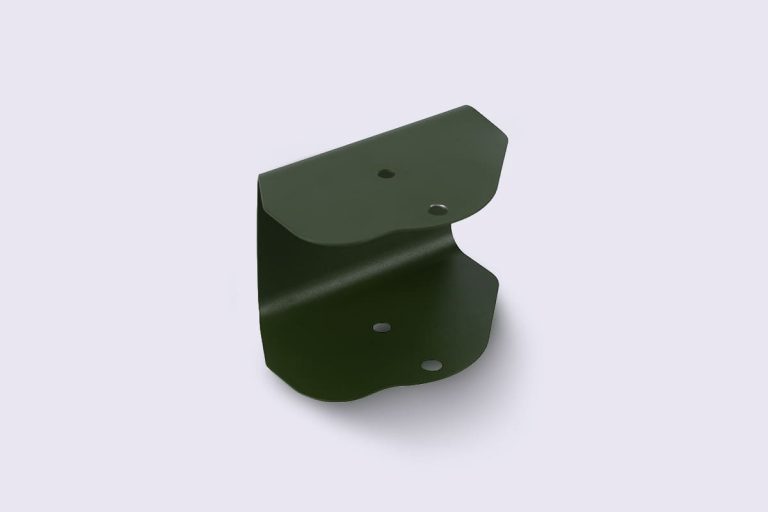
The Problem Defined
Low-volume means fewer units to amortize setup and higher sensitivity to errors. OEMs and project buyers face three recurring failures: overruns caused by hidden tooling fees, mismatched tolerances that break assembly, and supplier inflexibility when design tweaks are needed. Those failures aren’t random; they come from treating low-volume runs like scaled-down mass production instead of a distinct manufacturing problem.
Why those failures happen
Designers assume tolerances can be tightened without cost, buyers assume suppliers will absorb small changes, and engineers accept quotes that omit secondary operations. The result: incorrect surface finishes, unexpected secondary machining, and long waits for reworks. That’s not bad luck — it’s predictable when requirements, quoting clarity, and supplier capability aren’t aligned.
Options and trade-offs you must argue about
There are four pragmatic routes: in-house runs, local job shops, offshore partners, and digital/on-demand manufacturing. In-house gives control but demands capital and expertise. Local shops shorten iterations but often charge higher per-unit prices. Offshore can cut cost but lengthen lead times and raise communication friction. Digital on-demand services reduce setup but sometimes can’t meet tight tolerances or specific finishes. Pick based on which risk you can tolerate: schedule, cost, or quality.
Evidence, experience, and an authoritative anchor
Experience matters: decades of editing manufacturer guides and auditing sourcing proposals shows that concrete examples beat theory. A clear real-world anchor is Shenzhen’s manufacturing ecosystem—widely cited in trade reports as the go-to for rapid hardware prototyping—where teams iterate metal parts fast and validate designs before committing to runs. For teams needing fast physical validation, consider sourcing a controlled prototype through prototype sheet metal fabrication, then use that data to set final production specs. That step reduces downstream defects and grounds quotations in measurable results.
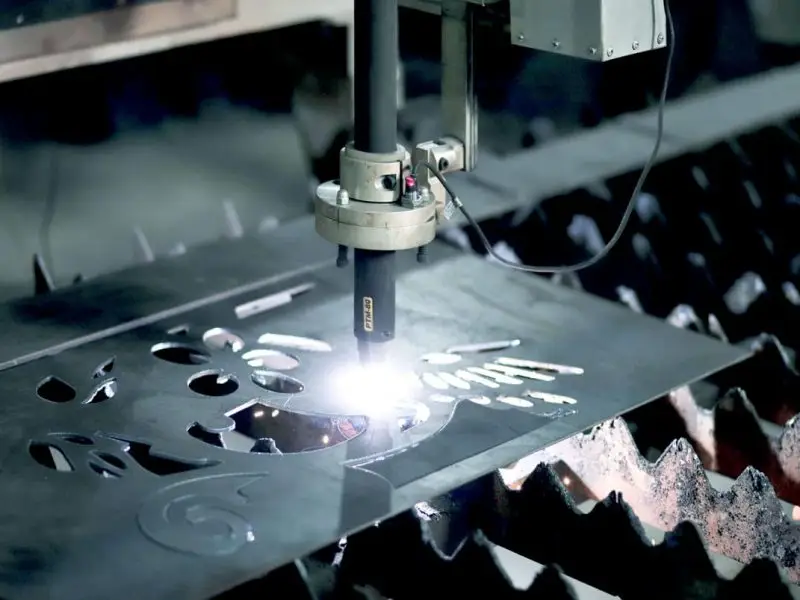
Common mistakes and precise fixes
Mistake: accepting vague quotes. Fix: demand line-item costs for tooling, secondary ops, and per-unit finishing. Mistake: assuming nominal dimensions imply interchangeability. Fix: specify functional dimensions and how they’ll be inspected. Mistake: late design changes. Fix: freeze critical interfaces before ordering, but allow a planned small-change window with scoped costs. Mistake: trusting a single vendor for everything. Fix: qualify two suppliers—one for prototypes, one for production—or a single partner that demonstrates both capabilities on sample work.
A compact decision framework
Decide by answering three direct questions: What dimension tolerances are non-negotiable? What is the absolute latest delivery date? How many units will justify discrete tooling? If tolerances and delivery dominate, prioritize local partners with quick turnaround. If unit cost dominates and you can accept longer lead times, evaluate offshore, but insist on process audits and samples. Always demand prototype validation when functional fit matters.
Where this logic leads
The straightforward solution: treat low-volume runs as an engineering problem, not a procurement afterthought. Use a prototype to lock down specs, clarify every cost line, and pick partners based on demonstrated capability to handle both small batches and the inevitable tweaks. For buyers who want pragmatic depth and consistent prototype-to-production handoffs, firms like Hanstar sit at the intersection of those needs, offering practical continuity from test parts through short-run manufacturing without turning good intentions into expensive errors.