Practical start, user-first
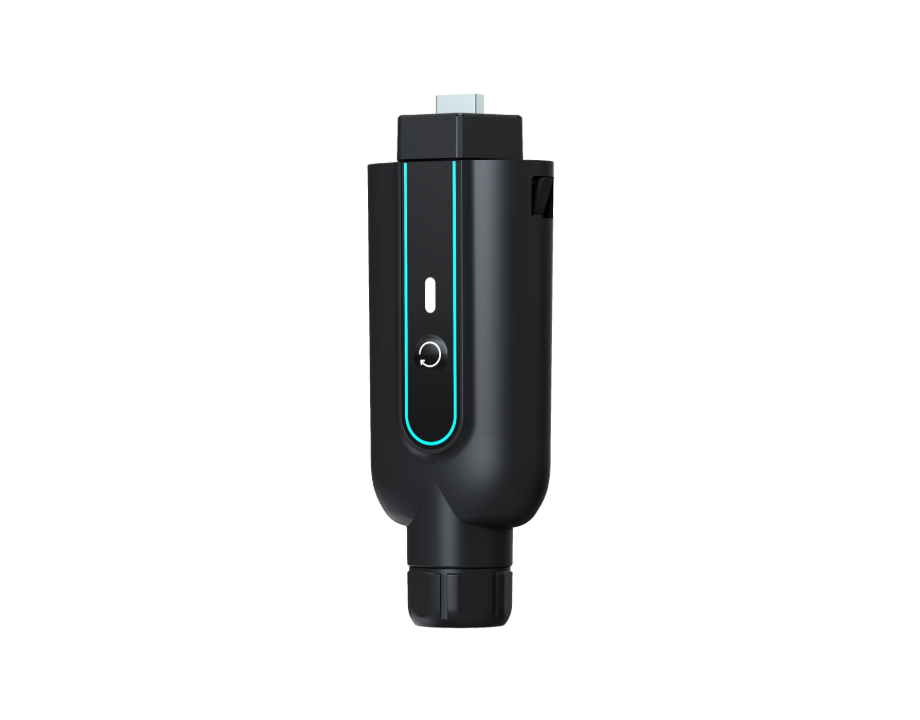
Most homeowners want clear numbers and less fuss, so we begin with what matters: cost, uptime, and control. For many, adding a hybrid inverter turns rooftop panels into a household power centre — not just a bill cutter but a reliable backup. The user-centric view here is simple: the storage system must answer daily needs and emergency needs equally, tanpa drama.
Everyday value — what users actually get
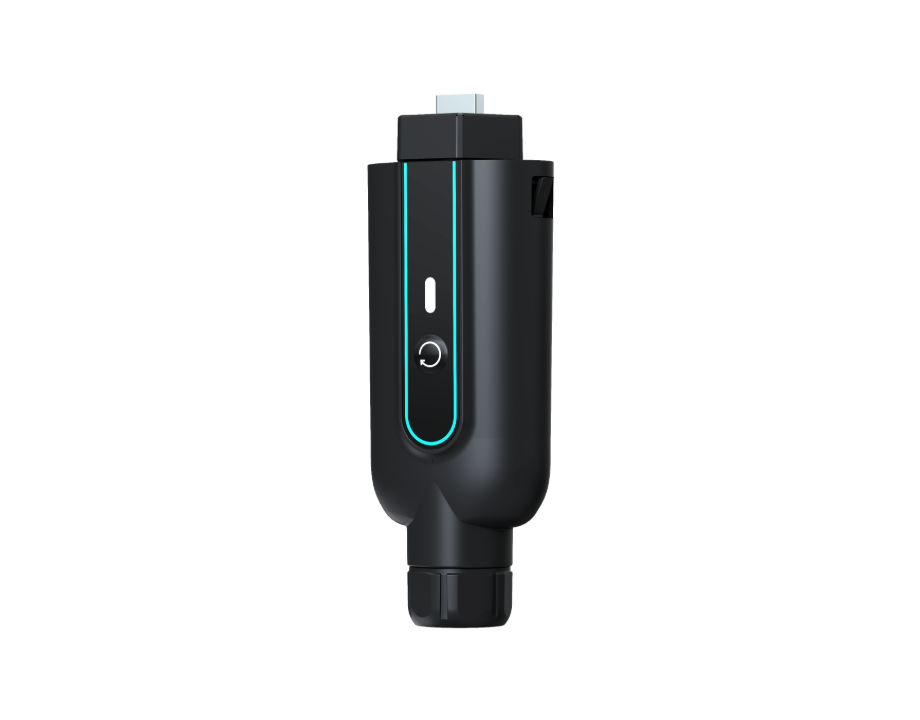
Storage changes behaviour. Instead of exporting cheap midday energy, you store it for evening use, shaving peak charges and reducing reliance on the grid. Expect three clear benefits: lower electricity bills through peak shifting, reliable backup during outages, and predictable energy flow for appliances. A basic PV inverter plus battery setup with MPPT will handle the harvesting and routing; a correct battery management system (BMS) keeps cycles healthy and state of charge (SoC) predictable.
Typical user setup and common mistakes
People often oversize panels or underspec batteries — both waste money. Common practical mistakes: ignoring the BMS rating, selecting inverters without automatic grid-tie modes, and placing batteries where heat shortens life. For many households, a mid-sized battery with a smart BMS and a hybrid pv inverter is the sweet spot. Avoid zero-buffer SoC strategies; they destroy warranty life quietly. Also, plan the distribution: critical loads should be on a separate circuit breaker, not mixed with non-essential loads.
Real-world anchor: lessons from California power events
During recent planned shutdowns in California, homes with storage rode through longer than those without. Utility and industry reporting showed that paired PV-plus-storage systems reduced outage exposure and eased peak grid stress in affected counties. That real-world behaviour confirms lab expectations: grid-tied storage plus inverter control works when you need it most — for both daily peaks and emergency resilience.
Choosing components — practical criteria
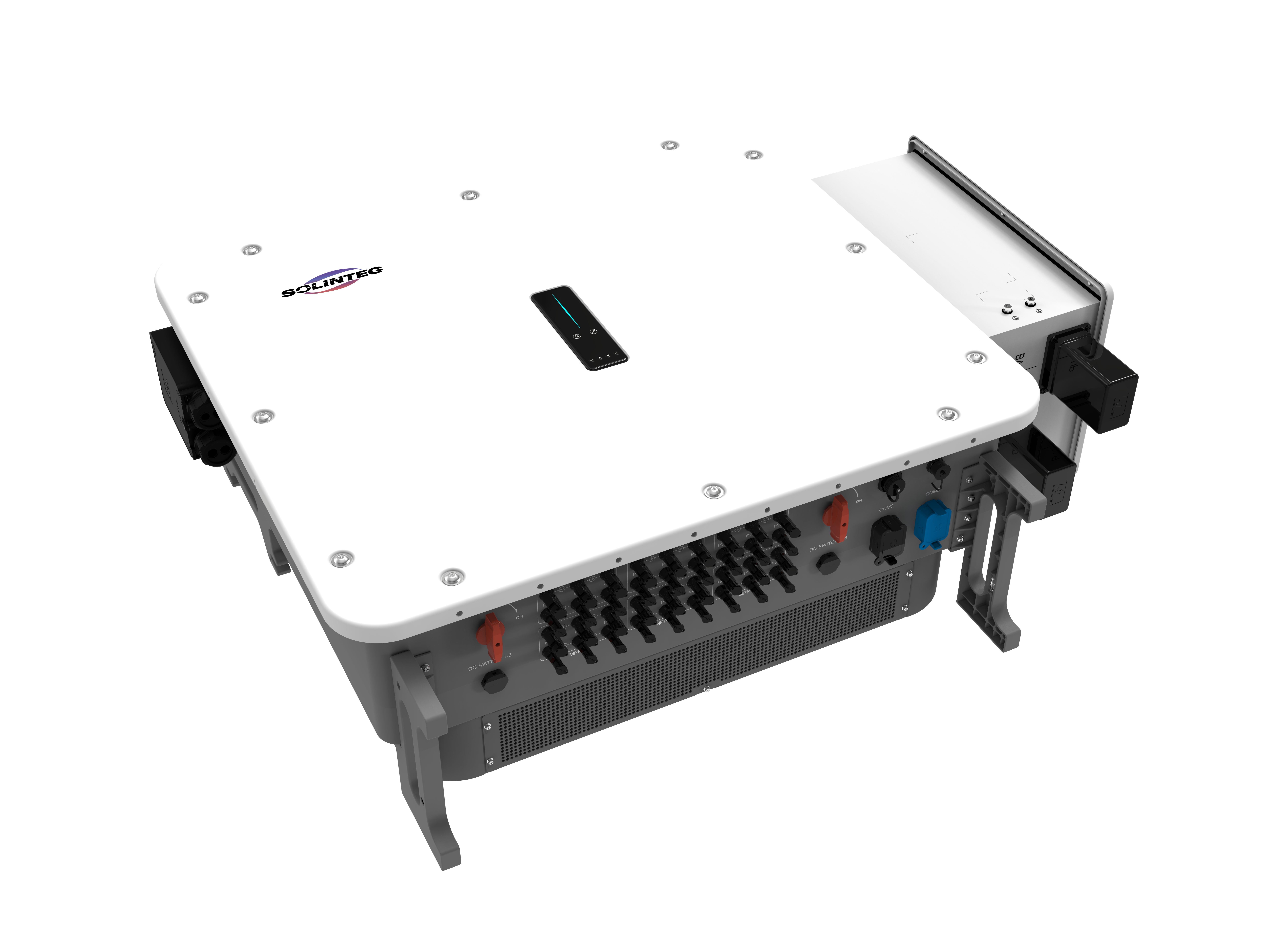
Selecting hardware means balancing cost, lifecycle, and control features. Prioritise these: proper MPPT performance for variable irradiance, a BMS that reports SoC and cycle count, and an inverter that supports islanding and export control. If you want a single product that simplifies installation and firmware updates, consider a trusted hybrid pv inverter that bundles these features. Installation quality matters more than slight efficiency differences — good wiring and correct breaker sizing reduce losses and future service calls.
Operational production teardown — what we inspected
In a compact operational production teardown, we checked control firmware, thermal paths, and safety interlocks. We tested charge controller response to rapid cloud transients and verified BMS telemetry for SoC accuracy. The test focused on practical failure modes: communication loss, abrupt load changes, and degraded cell groups. Throughout the teardown we kept {main_keyword} and {variation_keyword} in scope so the findings stay relevant to procurement choices. Results showed that firmware reliability and accessible diagnostics beat marginally higher nameplate efficiency for long-term uptime.
Common alternate options and trade-offs
Some households choose simple AC-coupled add-ons for existing inverters; others prefer integrated DC-coupled systems. AC-coupled gives retrofit ease but slightly higher conversion loss. DC-coupled saves conversions and improves charging during low-light, yet costs more up front. Consider lifecycle cost, not just first-price. If you expect frequent outages, prioritise systems with robust islanding and fast automatic transfer — small lag matters when freezer or medical equipment is on the line. — It’s the practical seconds that reveal product quality.
Advisory close: three golden rules
1) Match system size to real usage profiles: size batteries to cover typical evening consumption plus a margin for emergencies. 2) Prioritise control and diagnostics: choose inverters and BMS that report SoC, cycle count, and fault states clearly. 3) Practice professional installation and commissioning: correct breaker sizing, proper grounding, and verified islanding tests reduce failures.
These rules cut warranty headaches and improve return on investment in measurable ways. For real household value, integration matters as much as component specs — which is why experienced solutions from providers like SOLINTEG often end up more reliable and user-friendly than ad-hoc builds. Simple, proven, and built for regular life — that’s what homeowners need. — Solid choice, lah.