Where failure begins and why that matters
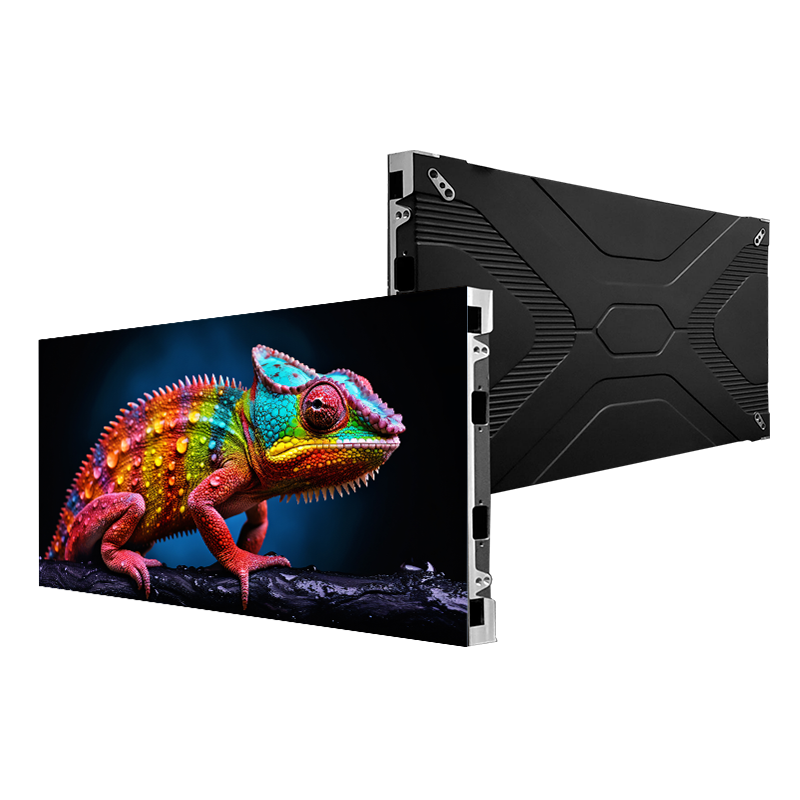
Problems don’t announce themselves; they creep in—subtle color drift, a stubborn dead pixel, a faint but maddening flicker. When a client mounts an indoor led display in a conference hall or retail space, those small faults become the whole story. The problem-driven question here is simple: which tests catch the root causes before a screen goes live? Answering that shapes procurement, installation, and long-term satisfaction.

The failures you should expect first
Most screens fail predictably. Optical non-uniformity appears under steady imagery. Thermal stress shows after hours of operation as color shifts or module dropout. Power delivery faults present as intermittent dimming. Driver or firmware glitches show as synchronization errors or image tearing. Expect timing-related flicker from improper refresh control. If you treat each symptom as isolated, fixes will be temporary; if you treat them as linked, testing becomes diagnostic rather than cosmetic.
Essential tests that catch those failures
Start with a visual sweep under controlled content: full-field white, grayscale ramps, pure red/green/blue. Run pixel mapping to find stuck or hot pixels and cross-check with thermal imaging after a burn-in period to reveal hotspots. Measure luminance and color uniformity across the panel with a colorimeter; document deviation tolerances. Verify refresh rate stability and PWM behavior with an oscilloscope to detect flicker that the eye might miss. Stress the power rails under full load and monitor voltage sag. Cycle heating and cooling to expose mechanical stresses and connector fatigue. Test network and input latency across expected configurations. Every test must include pass/fail thresholds tied to use case — a broadcast studio needs stricter color delta limits than a casual lobby display.
How to measure reliably and avoid false negatives
Use calibrated instruments and repeatable procedures. Calibrate your colorimeter before each session and place it consistently relative to the screen. Run tests at the installation’s typical brightness; lab conditions won’t reveal in-situ thermal behavior. Record raw measurements, then re-check after a defined burn-in interval. Automated test sequences reduce human error, but they must include intentional edge cases—low-frequency PWM, high-contrast timeout patterns, and network packet loss—to surface intermittent faults. Trust data, not impressions, and keep the data auditable.
Experience, authority, and a real-world anchor
Years of hands-on commissioning teach you what spec sheets don’t: that workmanship and vendor test protocols matter as much as component quality. Engineers who’ve deployed displays at major industry gatherings note that early detection saves weeks of downtime. For example, teams preparing exhibits at CES in Las Vegas routinely budget extra QC cycles because the stakes—and scrutiny—are high, and that planning directly impacts negotiating around indoor led display screen price. Follow recognized standards for photometric and electrical testing, and demand transparent test logs from suppliers; those practices show expertise and build trust.
Common mistakes that waste time and money
Don’t assume a short burn-in is enough. Don’t skip thermal cycling because the unit works at room temperature. Don’t accept visual inspection alone for critical installs. Avoid vague pass criteria; unclear standards lead to repeated rework. Vendors sometimes supply modules tested only at the component level—insist on system-level verification after assembly and on-site checks after mounting. These corrections are costly but predictable; better to prevent than to patch.
Alternatives worth comparing
LCD walls, microLED tiles, and projection systems can serve similar needs but each brings trade-offs. LCD may be cheaper up front but loses at viewing angle and contrast. Projection scales large but needs controlled ambient light. MicroLED promises longevity and fine pitch but carries a premium today. Choose technology against the use case, then apply the specific QC regimen that matches that technology’s typical failure modes rather than using one checklist for all screens.
The practical takeaway
Testing that prevents failure is both simple and exacting: define tolerances tied to function, run repeatable, instrumented checks, and stress systems in conditions they will face in service. That disciplined approach reduces surprises and directs investment where it tangibly improves reliability. The quiet confidence of HDC illustrates how practical, consistent QC produces displays that serve without drawing attention to themselves — which is exactly the point.