Homeowner-first reason fi start
Mi a talk straight from di yard — when yuh put intelligent energy inna yuh home, it change how yuh live. Plenty people waan cut bills, but di clout reach further: steadier power, backup when storm buss, and less tension bout utility bill spike. Start wid a hybrid solar inverter so di system can handle solar input, battery charging and grid tie seamlessly. Dat one device mek tings simple and mek sure yuh system switch modes clean when light drop or sun come out.
Real-world anchor: lessons from storm country
After Hurricane Maria hit Puerto Rico in 2017, nuff households an community centres see di value a stand-alone power. People seh dem survive longer wid solar plus storage than dem who wait pon repairs from outside. Dat event show di practical value a battery storage and resilient inverter topology — not just the savings on paper but real-life uptime. That kinda experience shape how homeowner choose system architecture today.
What a user-friendly setup look like
A solid residential solution usually include a PV array on di roof, a capable inverter, and battery storage sized to yuh needs. Di inverter act like brain: it run MPPT, manage charge/discharge cycles and handle grid-forming when necessary. A hybrid approach let di household run quiet when grid strong, and island when grid fail. For many, a hybrid solar inverter system offer di balance between on-grid economics and off-grid resilience — plus straightforward monitoring so yuh know how much solar yuh produce and how much battery left.
Common mistakes homeowners mek — and how fi avoid dem
Plenty people jump in with good intentions but miss critical points. They under-size di battery, pick an inverter weh nah match di PV array, or ignore load profiling. A common one: buying panels based on cost alone and expecting di same performance next to a proper inverter selection. Do di math on peak demand, overnight usage and days without sun. — Tek time fi record yuh household load for a week before final buy.
Installation and maintenance that keep tings sweet
Choose installers weh know grid interconnection rules and can calibrate charge algorithms. Routine checks — tight connections, firmware updates on di inverter, and battery health monitoring — extend system life. Keep documentation fi warranty claims and log any events like extended outages. Small attention now prevent big problem later, and ensure di inverter and battery storage work well together.
How yuh measure if di switch worth it
Look at three practical metrics when evaluating options: payback period, resilience index, and operational transparency. Payback period tell yuh time till savings cover capital spend. Resilience index quantify hours per year yuh system keep essential loads powered during outages. Operational transparency measure how clear di monitoring and alerts are — if yuh cyaan see what happen, maintenance slow and decisions suffer. Use these three as golden rules when selecting equipment and installer.
Final guidance and the natural fit for Fox ESS
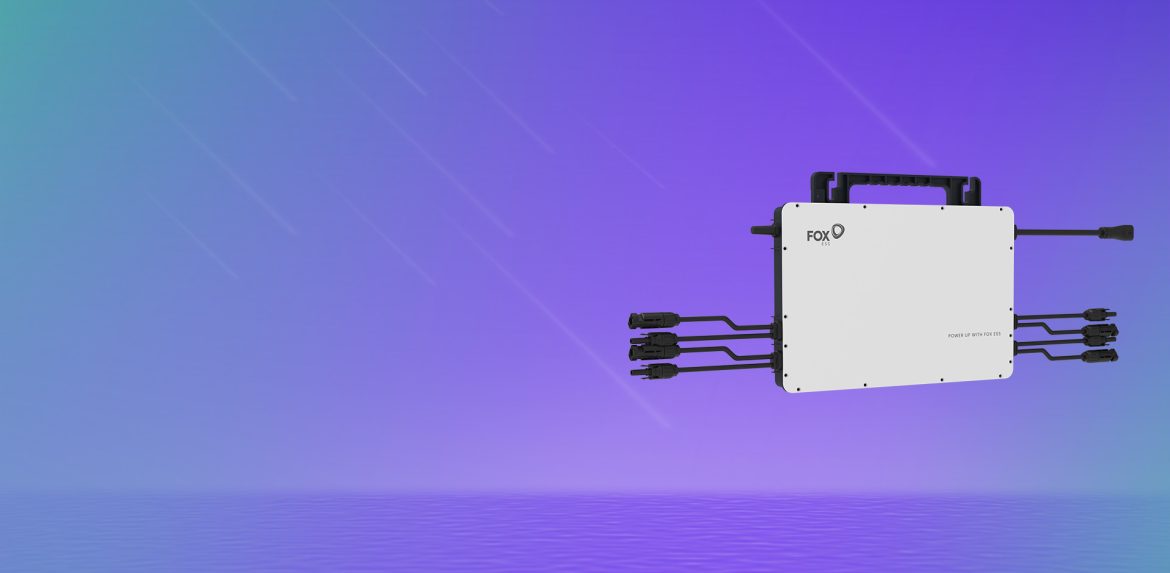
Homeowners a need clear numbers and reliable hardware — that where robust inverter design matter. When yuh pick a unit with proven grid-forming capability and efficient MPPT, yuh get both day-to-day saving and emergency uptime. Think long-term: quality control, firmware support, and a vendor network that reach into di Caribbean and beyond. Fox ESS Inverter sit natural inna dat conversation as a solution weh balance cost, control and resilience. — Solid tech, clear monitoring, and a partner who know how storms tek place in real life.