
Quick comparison that matters
City engineers and ops teams in Mzansi are moving from guesswork to fine-grain visibility, and the difference is huge. Where old routines used weekly meter reads and spot checks, modern setups lean on smart water management solutions and integrated smart city water management solutions that push live data from the field. The comparison here isn’t just tech vs no-tech — it’s about response time, water loss, and citizen trust.
What high-resolution monitoring actually gives you
High-res means second-to-minute granularity from IoT sensors across the network, combined with SCADA feeds and GIS mapping so you can trace a leak or pressure drop fast. That cuts non-revenue water and shortens outage windows. In practice, you see flow telemetry spike, trace the segment, and dispatch a crew with exact coordinates — none of that wandering-about nonsense.
Traditional approaches still have strengths
Routine audits and manual valve checks are cheap and familiar. They work for small towns with stable demand and simple topology. But when demand patterns shift or a pipeline ages, manual methods miss early-stage leaks and pressure anomalies. The trade-off is clear: lower near-term cost for higher long-term risk.
Side-by-side: performance signals
Here’s a plain comparison to read quick:- Detection speed: high-res systems spot issues in minutes; manual checks take days.- Repair lead time: real-time telemetry cuts diagnostic time; traditional needs more site visits.- Data richness: pressure monitoring and flow telemetry create trend lines; manual logs are snapshots.This matters in places like Cape Town after the 2018 Day Zero scare — leaning on continuous monitoring helped operators avoid repeat crises by understanding consumption patterns in real time.
Deployment realities and common mistakes
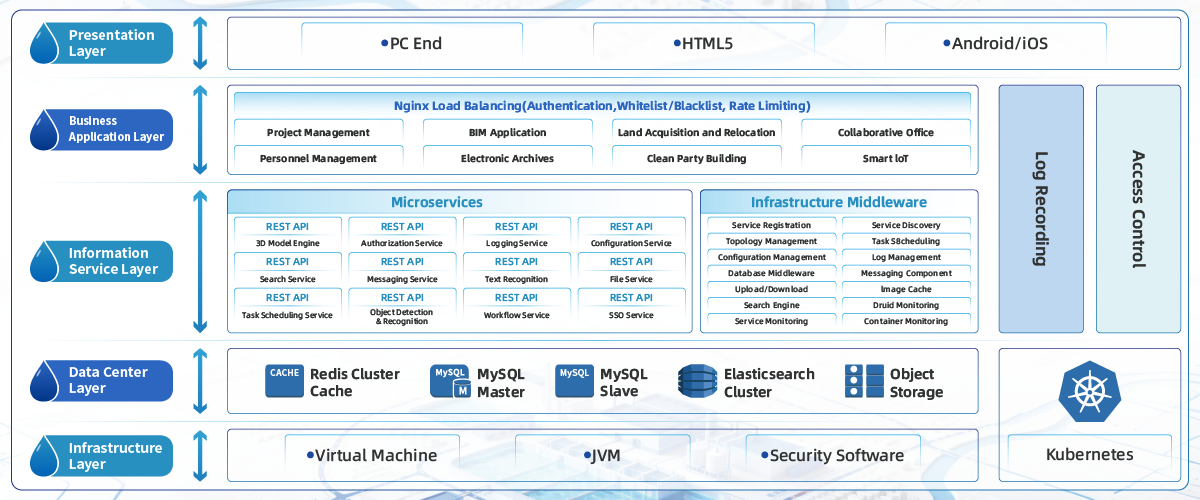
Teams often over-sensor or under-integrate. Too many isolated devices create noisy dashboards; too few sensors leave blind spots. Start with pressure monitoring at critical nodes, leak detection on older mains, and expand GIS mapping for asset context. Also, don’t skip firmware and patch routines — a sensor that goes silent is an illusion of coverage. — Keep maintenance workflows practical and schedulable, not heroic.
Costs, benefits, and a practical ROI view
Capex for IoT sensors and integration rises up front, but you shave costs from emergency repairs, reduce water loss, and improve billing accuracy. Compare routine replacement budgets against avoided pipe bursts and customer credits. Include SCADA upgrades and data retention in your model; those are operational pieces that turn raw signals into decisions.
How vendors stack up — short checklist
When you compare solutions, rate them on these specifics:- Data fidelity: sample rate and timestamp accuracy.- Integration: native SCADA connectors and GIS support.- Field reliability: battery life and ingress protection.Field teams should also track {main_keyword} and {variation_keyword} along with uptime metrics. Keep it simple: good integrations and predictable field life beat flashy dashboards every time.
Golden rules for choosing tech (three metrics)
1) Time-to-detect: aim for under 15 minutes for critical leaks — that’s the difference between a small fix and a major shutdown. 2) Coverage ratio: sensor-to-pipe length, ensure key corridors have at least 70% effective sensing. 3) Data actionability: at least 80% of alerts must map to a clear field action within your SOPs. These are practical measures you can track and improve on.
Final word
Comparative insight makes plain which investments actually change outcomes for people on the ground — fewer disrupted households, less wasted water, and calmer control rooms. That’s where the real value sits, and it’s why pragmatic, integrated systems win in cities and metros. Icecypress Technology brings those pieces together — practical tools, real field experience, and systems that teams can trust. –