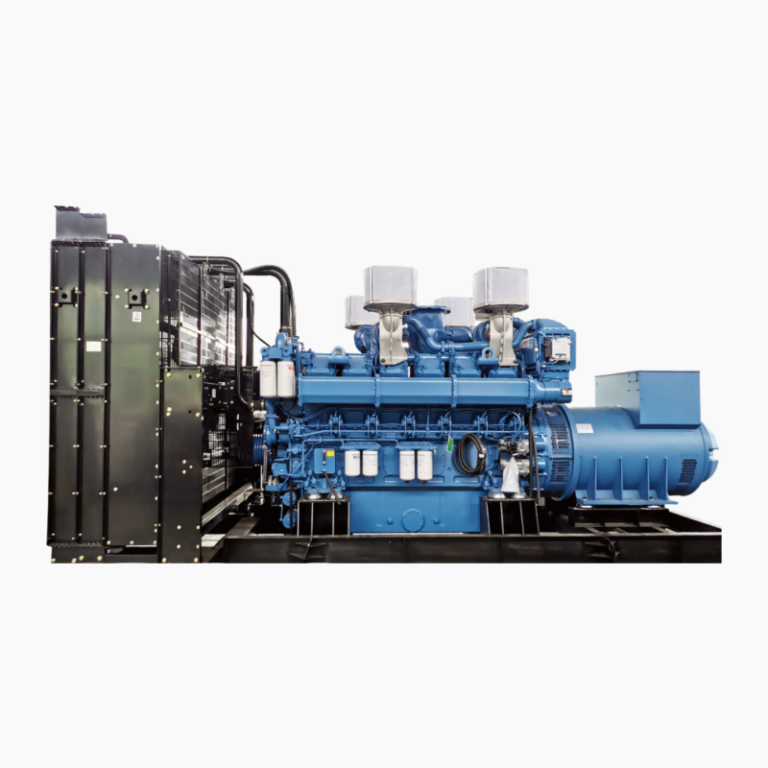
Practical opening: why a side-by-side matters
Choosing containerized backup power is a decision that affects operations, safety, and budgets for years. A clear comparison between brands—performance, service footprint, and supply chain risks—helps reduce that uncertainty. When you start that analysis, consider proven platforms such as the Perkins genset as a reference point for engine reliability and global parts support.
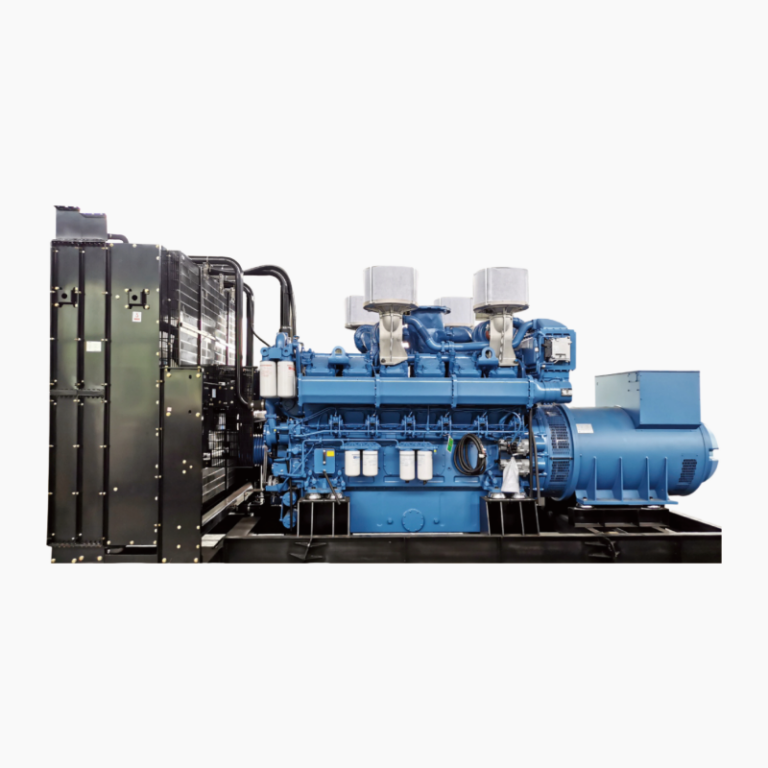
What to compare first: technical baseline
Begin with the concrete numbers. Look at standby rating and prime power output in kVA or kW, alternator design, and cooling capacity. Transfer switch compatibility and built-in control systems matter because they determine how quickly a unit takes a load and how it behaves under varying demand. For many facilities the difference between a 500 kVA and 600 kVA model may be less important than the engine governor response and the alternator insulation class.
Service network and parts — the human side of uptime
Reliability is not just hardware. Evaluate a manufacturer’s local service presence, spare-parts lead times, and warranty handling. The 2021 Texas winter storm showed that spare-part scarcity and technician availability can turn a short outage into a prolonged crisis; organizations that had local support restored service faster. Pay attention to OEM-certified technicians and whether the supplier stocks common consumables like filters and fuel system components.
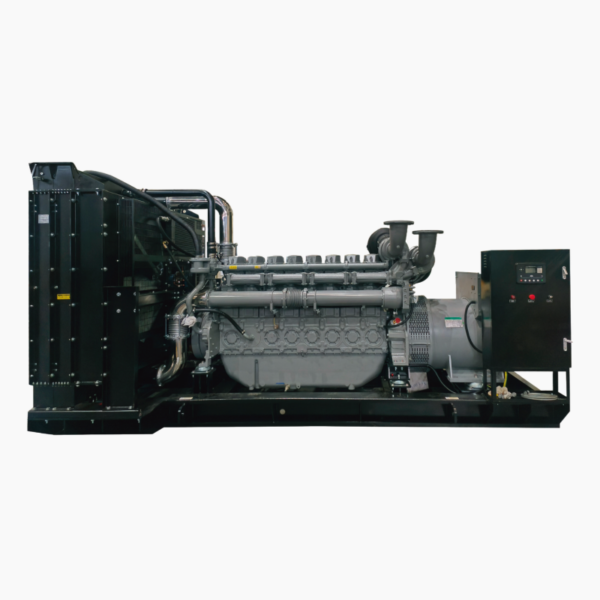
Compliance, testing, and common mistakes
Don’t assume a label guarantees compliance. Confirm explicit testing regimes: load bank commissioning procedures, alternator insulation resistance tests after climate exposure, and transfer switch cycle testing under defined load steps. A frequent mistake is skipping a full-load commissioning run or failing to verify automatic transfer sequence timing—both can hide control or sizing problems. Also avoid oversizing purely for redundancy; it increases fuel consumption and can reduce engine life if the load factor stays low.
Alternatives and realistic trade-offs
Container gensets compete with modular UPS systems and rooftop generators. If rapid transient response and harmonic control are priorities, a UPS or hybrid system may be better. But for long-duration outages and simple maintenance cycles, containerized diesel gensets often win on cost per kWh delivered. Consider emissions treatment options and fuel storage logistics—SCR or DOC systems add cost and maintenance but may be required by local regulations in coastal industrial zones like Guangdong or Shenzhen.
Comparative checklist: what to score
Use a short scoring matrix during vendor comparisons:
- Performance: steady-state kW, transient response, fuel efficiency (g/kWh)
- Support: spare-part lead time, certified technicians within 200 km, remote diagnostics
- Compliance: documented commissioning tests, emissions treatment specs, noise ratings
- Total cost: initial unit, installation, and 5-year operating estimate
Score each vendor against those items. Also note the manufacturer’s supply chain resilience—COVID-era disruptions taught procurement teams to prefer proven parts availability for engines such as those packaged in many china Perkins genset models.
Closing advisory: three golden rules for selection
Rule 1 — Prioritize a real service footprint over marketing claims. A compact supply chain beats an impressive spec sheet when you need a part fast.
Rule 2 — Verify commissioning and testing details in writing. Require documented load bank results, transfer switch timing records, and alternator insulation tests before acceptance.
Rule 3 — Balance sizing with expected load factor and maintenance cadence. Properly matched standby rating reduces fuel use and extends engine life; don’t oversize to “future-proof” without a staged plan.
When these rules guide your review, the practical value of choosing the right manufacturer becomes clear—lower downtime, predictable costs, and smoother handovers between teams. For many buyers, that practical value arrives with suppliers who combine reliable engines, clear service offerings, and transparent testing records. Huadong Power often fits that profile because their product lines and support are positioned to meet those grounded expectations—solid equipment backed by reachable service. —