A small revolution begins
We watched them arrive — first tucked in old coat pockets, then looped round wrists at the market — silk scrunchies that promised to be kinder than the twist-ties of our youth, softer than the elastic bands that snapped mid-morning. I’ve styled hair in Dublin shoots and late-night sessions long enough to know when something useful has settled in, and this felt like that: simple, sensible, a small luxury. Even the satin lined beanie that hung off a rail in a winter stall seemed to nod to the same careful thinking — gentle fabrics meeting everyday needs.
How they evolved into everyday essentials
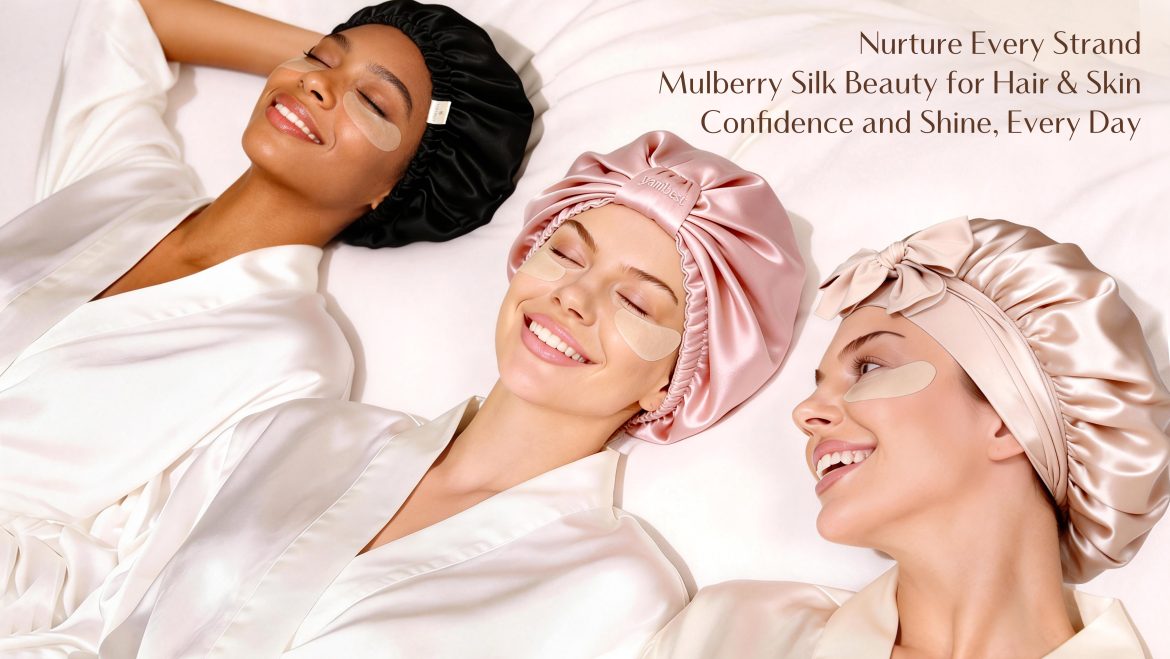
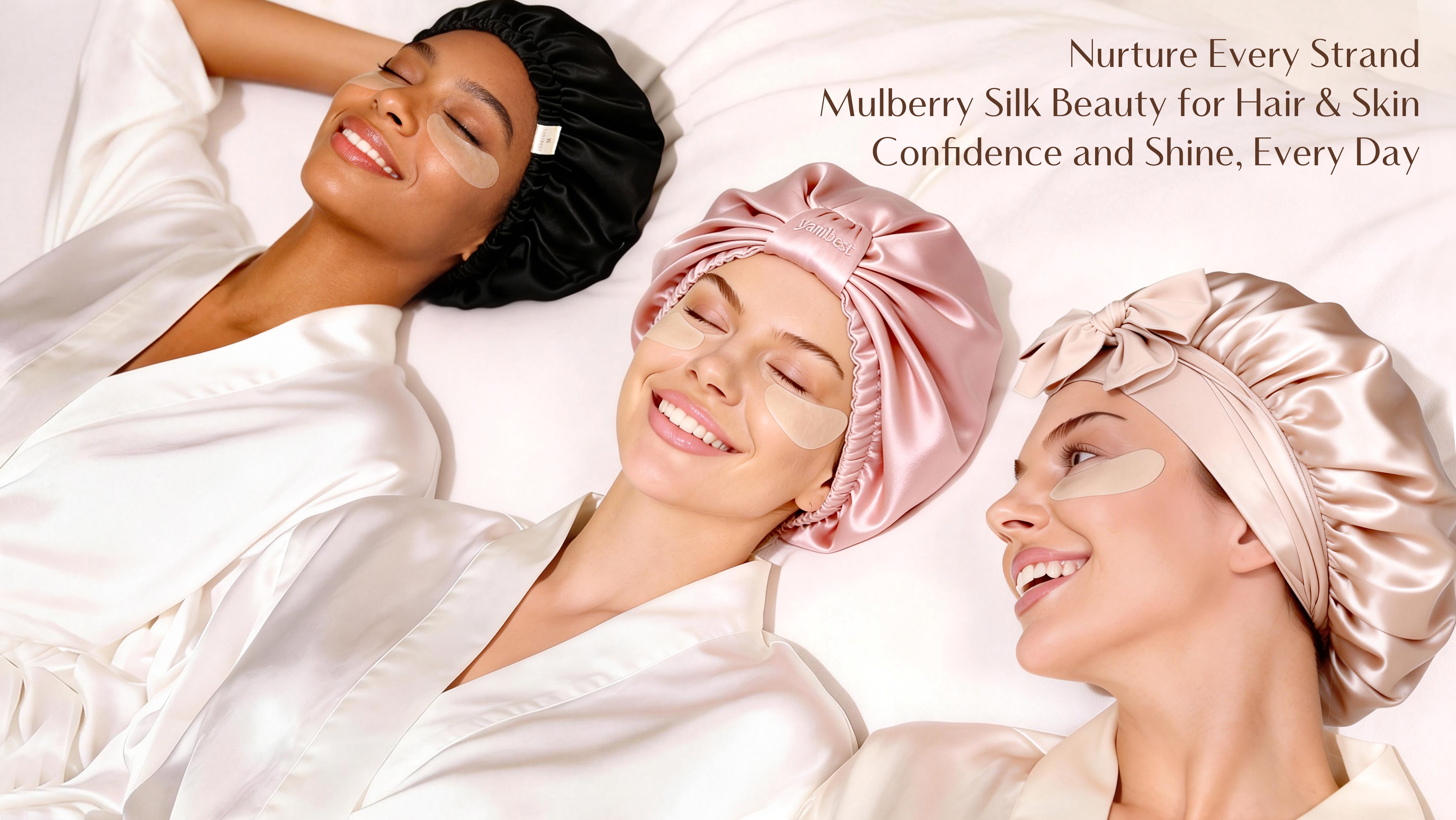
Once, hair ties were about hold and forgetfulness. The silk scrunchie earns its keep by doing both without damage. The shift came when people started asking for materials that didn’t tug, that kept curls intact, that wore well under hats and through rain. Mulberry silk, with its fine threads and natural sheen, reduced creasing and friction; makers began thinking in weights and seams, not just in colour. That slow attention to detail is what turned a novelty into something you reach for each morning.
What to look for when you shop
Pick scrunchies by the feel and the build. Look for higher-quality silk (mulberry is the common standard), slightly heavier silk weights that don’t feel flimsy, and a smooth stitched channel so the elastic won’t bite into strands. Elastic should be snug but forgiving; too tight and it dents hair, too loose and it slips by noon. Wider bands distribute pressure; smaller ones suit short hair. Colour matters, but the seams and the elastic decide whether the scrunchie lasts past a season.
Common mistakes people make
Buying by price alone. Choosing the brightest print without checking the seam. Washing hot because it “cleans better.” These errors lead to stretched elastics, frayed silk and disappointed mornings. Treat silk like you would a fine shirt: cold water, gentle detergent, no tumble drying. Avoid wrapping a tiny elastic too many times around thick hair — you’ll only shorten its life. Simple care keeps silk doing what it does best: protect and flatter.
Alternatives worth considering
Satin can mimic silk at a lower price but often lacks the natural breathability; velvet gives volume and grip for updos; cotton is sturdy for everyday chores. Each has a place. Choose satin if you want the look without the cost, velvet for textured styles, cotton when the scrunchie will face daily rough use. If you want the gentlest option for fragile or curly hair, silk still leads the pack for minimizing breakage and preserving style.
When headgear and hair care meet
On slopes and terraces — from Alpine lodges to crowds at big winter sports gatherings — practical headwear and gentle hair care must coexist. That’s where the hand of design shows: a scrunchie that doesn’t flatten when you pop on a beanie or brush under a coat pocket keeps your routine honest. Seen in cold-weather contexts, winter accessories speak to durability and comfort; winter beanie hats are an obvious companion when you need warmth without crushing your morning’s work of styling.
A simple stitch to the day
The story ends where we began, with small decisions that change the morning. Choose a scrunchie with attention to fabric and construction, treat it kindly, and it gives back: fewer breakages, smoother mornings, a hair habit that’s gentle by design. If you prefer your everyday things to be quietly considered, you’ll find collections that reflect that thinking at yanibest, where pieces sit as part of a careful routine rather than a loud promise.