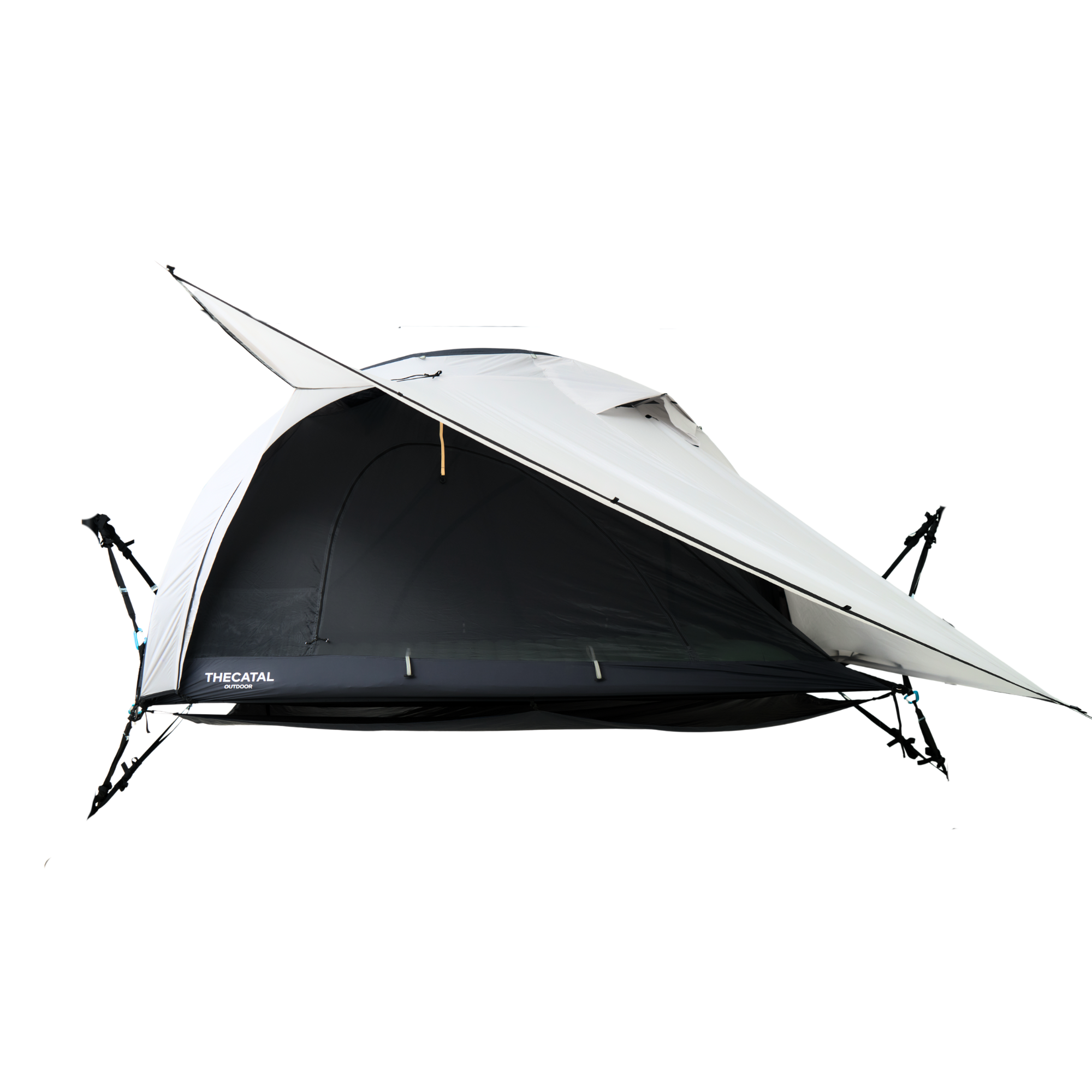
Opening: what breaks first and where to start
Tents that fit four people solve sleeping-space problems but create setup and storage problems if you treat them like a two-person tarp. Common failures: misaligned poles, inadequate staking, trapped condensation, and bulky packing that damages fabric. If you’re shopping for a reliable model, buy tents online that list a footprint and repair kit; those specs cut field failures. Start with the assumption that something will go wrong and the checklist below addresses each likely failure mode.

Pre-ride inspection checklist
Frame: confirm each pole section slides, locks, and shows no cracks. Fabric: check seams, zipper teeth, and DWR wear. Hardware: ensure buckles and clips move freely and guyline toggles are present. Accessories: count stakes, guylines, footprint, repair patches, and a seam-sealer sample. Label one kit as “repair” and keep it accessible in the car, not buried under coolers.
Setup sequence — order matters
1. Choose a flat site and clear debris. 2. Unpack the footprint and lay it square. 3. Extend poles and assemble on the footprint; insert into grommets or sleeves before fully tensioning. 4. Raise the tent, fasten corners, then stake at a 45-degree outward angle. 5. Add guylines and adjust tension progressively—corner tension first, guylines second. Tension in small increments to avoid fabric rippling. Pitch with doors facing downwind when possible to reduce wind-load on seams.
Technical checks during and after pitch
Check pole flex: poles should have a smooth curve with no sharp kinks. Stakes: use angled or V-stakes on sand/loose soil and anodized Y-stakes on firm ground. Zippers: run them fully open and closed to confirm alignment; lube with a wax stick if sticky. Venting: open cross-vent panels opposite the sleeping zone to push moist air out. Footprint use: always under the tent body where provided; it prevents abrasion and keeps the floor seam lines dry.
Packing and storage protocol to extend tent life
Dry completely. Moisture is the top degradation vector. If the tent is damp, dry at home or hang in shade until fully dry. Clean grit out of seams and zippers before folding. Fold along natural seams; do not cram or tightly roll around poles. Use a breathable storage sack for long-term storage, not the compression bag. For transport in a car, keep the tent in a soft bag in the cargo area rather than under heavy gear to avoid crushing poles and tearing fabric.
Common mistakes and fixes
Mistake: staking only corners. Fix: stake corners and at least two guylines on leeward and windward edges. Mistake: leaving the footprint off. Fix: always use the footprint to stop wear. Mistake: packing wet. Fix: carry a lightweight tarp or set time to dry before packing; if forced to pack wet, unzip doors and ventilate the car. Mistake: over-tensioning guylines. Fix: tension to remove slack, then let fabric settle; re-tension after 30 minutes in new weather conditions.
Tools and spare parts to keep on hand
Carry 6–8 stakes, two spare pole sections or a splint, duct tape, needle and thread, fabric patches, seam sealer, and a zipper slider replacement. Small pliers and a multi-tool are essential. Store these in a labeled repair bag. Replace lost or bent stakes immediately; improvised stakes rarely hold in sustained wind.

Real-world anchoring of recommendations
Testing and repairs at the Outdoor Retailer trade show and field inspections with distribution hubs taught clear lessons: manufacturers that ship footprint and repair parts reduce returns. Years of service checks in variable weather show the same failure modes repeat. Suppliers like camping gear supplier often include usable specs on footprints and stakes; prioritize those specs when you evaluate models.
Synthesis: the reliable outcome
Run the checklist before your trip, follow the setup sequence under calm conditions, and store the tent dry and loosely packed. That reduces in-field failures and extends service life. For models and supply details that match these technical requirements, the practical choices align with what THECATAL catalogs as footprint-equipped, repair-ready tents—choices that resolve the setup and storage problems outlined here.