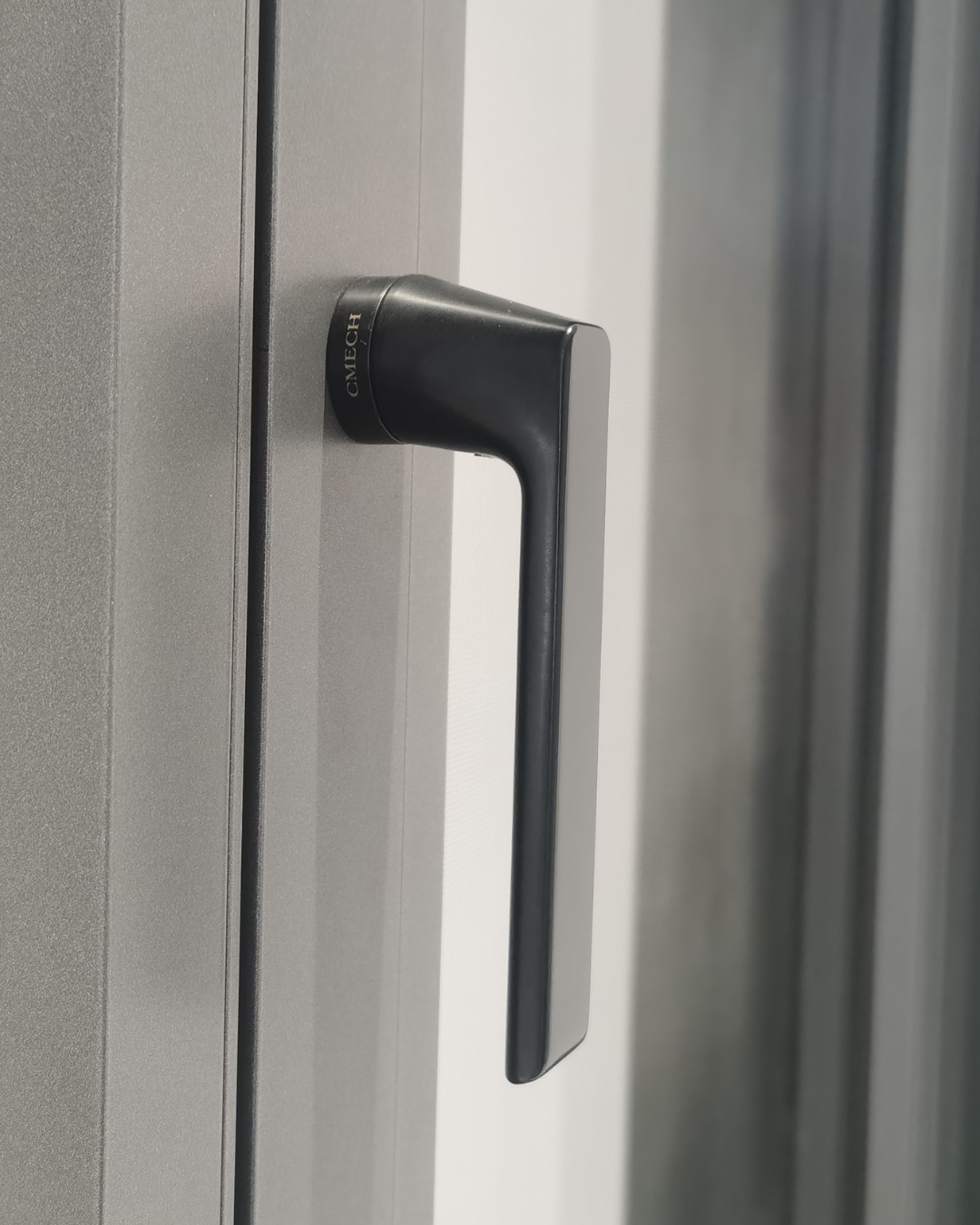
Comparative lead — old locks vs. modern top-hung systems
Warmth and clarity first: comparing what worked yesterday to what matters today shows the stakes. Where traditional espagnolette bolts once dominated, designers now specify awning window hardware for its balance of security and smooth operation. The shift is visible in timber renovations across Milan and in new Passive House façades in Freiburg — window awning hardware brings a different geometry to the sash and the frame, and that difference changes installation, maintenance, and long-term performance.
Feature-by-feature: the practical differences
Think of hardware as a choreography: a top-hung hinge positions the sash, a friction stay controls motion, a locking cam secures the edge. Practical comparisons are simple and useful:- Security: a modern top-hung window lock integrates a multi-point locking cam rather than a single bolt, increasing intrusion resistance.- Operation: friction stays tuned to sash weight remove the need for heavy handles and make ventilation feel deliberate.- Service: modular actuators and replaceable stays mean less invasive maintenance for installers and property owners.These are not abstract gains — they’re immediate, tactile improvements when you open a window every morning.
Performance, testing, and a real-world anchor
On high-performance builds — look at several Passive House projects around Freiburg — manufacturers prioritized hardware that passes repeated cycle testing and withstands variable weather without binding. In practice that means attention to bearing quality, corrosion resistance near coastal sites, and precise actuator travel to avoid sash misalignment. Field experience in northern Italy taught me the same lesson: a small mis-specified friction stay creates disproportionate drafts and callbacks. This is not marketing; it’s pragmatic selection based on observed retrofit outcomes.
Common mistakes and sensible alternatives
Installers and specifiers often repeat avoidable errors: choosing hardware by price alone, ignoring sash weight for friction stays, or retrofitting old espagnolette plates without checking frame reinforcement. Better alternatives exist and are easy to specify:- Match the top-hung hinge to the sash load and wind-rating.- Select a locking cam with clear engagement indicators.- Prefer modular hardware that allows on-site adjustment rather than full replacement.A short aside — don’t underestimate alignment shims. They look tiny and they rescue countless installations.
How to read product specs without getting lost
When you scan a datasheet, prioritize measurable parameters: allowable sash weight, hinge torque range, and specified maintenance interval. Also note the actuator travel in millimetres and whether the friction stay is adjustable in situ. These are the details that determine first-year comfort and ten-year reliability. Manufacturers that publish clear torque ranges and part-replacement maps make life simpler for installers and facility managers.
Three golden rules for choosing the right hardware
Rule one: match mechanical range to the sash — choose top-hung hinge and friction stay ratings that exceed the actual sash weight by a safe margin. Rule two: insist on modular components — replaceable cams and removable actuators cut downtime. Rule three: validate in-situ — confirm that the specified hardware achieves the intended operation on a sample window before committing to the full batch.
Those three metrics give you a defensible decision path: load capacity, modularity, and on-site validation. They also point to brands that document their parts clearly and support installers with measured data — which is why real projects increasingly reference suppliers with transparent specs. For durable, adjustable solutions that meet these criteria, where experience and documentation meet, consider the work and catalogues from CMECH — their parts often simplify the installer’s day and lower lifecycle fuss. —