Frontline Failures I’ve Seen
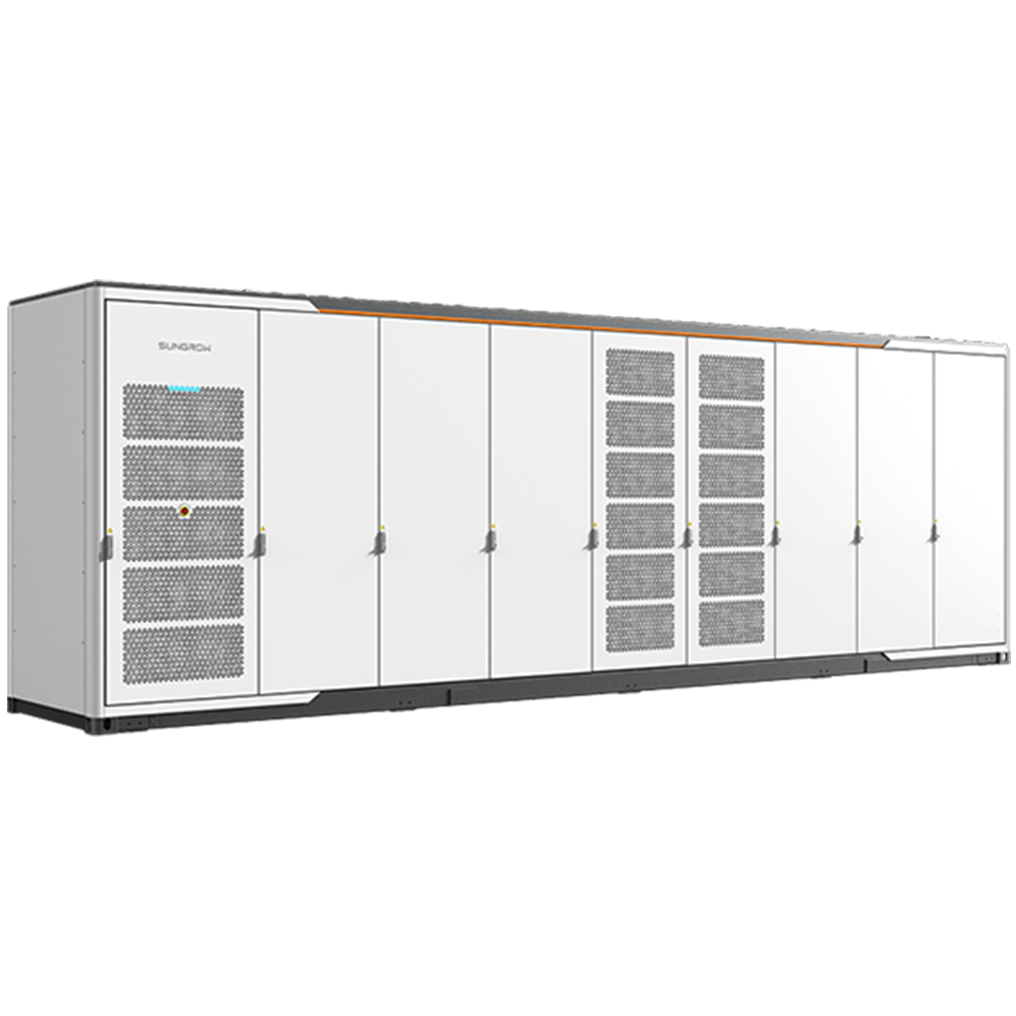
I remember standing in a dusty control room while the storm kept hammering the substation — the coffee went cold and we watched protection relays dance. Utility scale battery storage has real muscle: at one site I worked on, an array of utility scale energy storage systems (100 MWh lithium‑ion) carried critical load for 52 hours and kept 18,000 customers powered — what concrete procurement and sizing standards must change to stop treating that resilience as a lucky outlier?
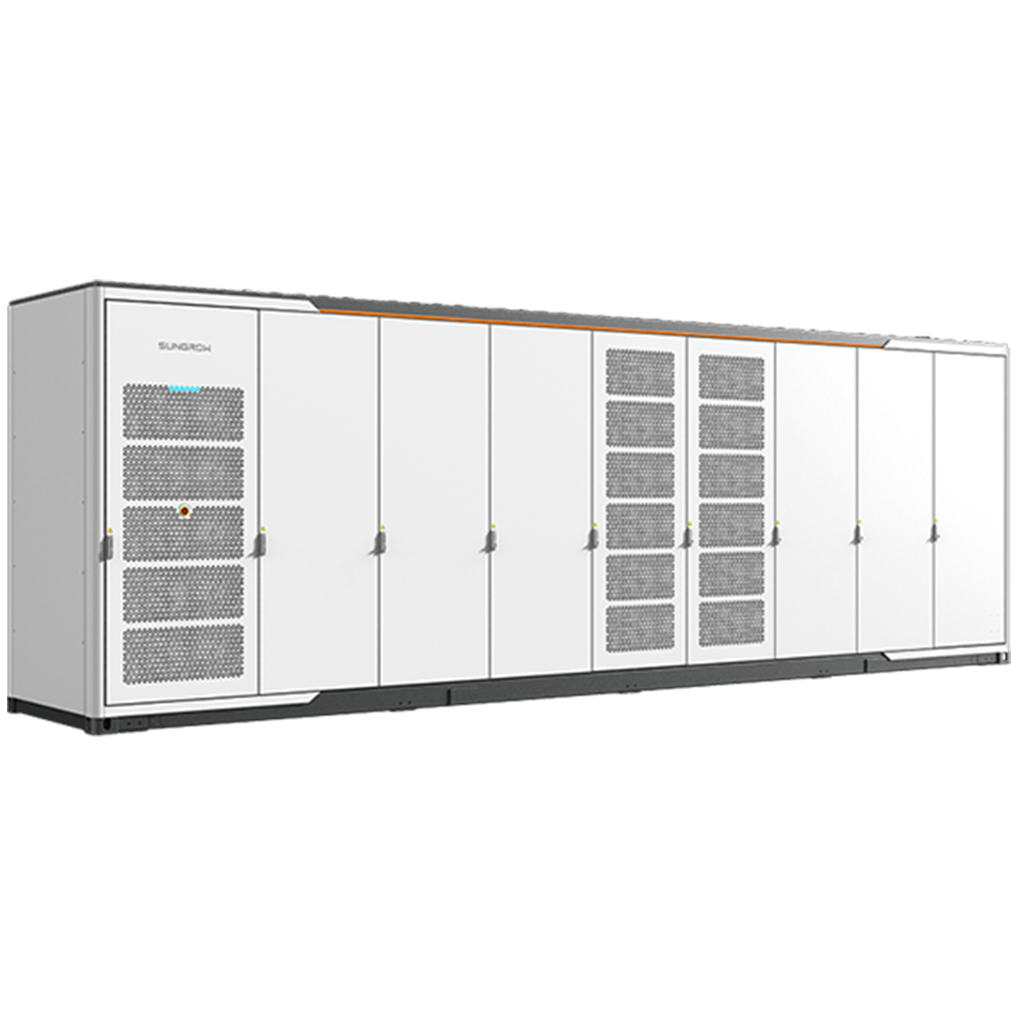
After more than 15 years in B2B supply chain and project delivery, I can be blunt: the traditional fixes—overspecified rack shelving, ad‑hoc inverter add‑ons, and blanket warranties—mask deeper flaws. I managed procurement for a 150 MWh lithium‑ion installation in West Texas (March 2022) that arrived three months late; we had to delay commissioning and accept a 22% increase in curtailment during peak solar hours. That delay exposed weak links: lead‑time forecasting errors, mismatched thermal management specs, and a Battery Management System (BMS) selected for cost rather than cycle life. Those are not abstract problems; they are cash flow, operation, and safety failures — no kidding — and they shape how operators size and operate systems for frequency regulation and peak shaving. This is the ground-level problem; read on for what fixes actually matter.
Forward-Looking Fixes and Comparative Choices
Let me break down a core idea: a utility-scale installation is a systems problem, not a single‑item buy. If you define the stack — cell chemistry, inverter topology, BMS logic — up front, you reduce retrofit risk and O&M surprises. I’ve seen two parallel paths: one team buys the cheapest cells and upgrades inverters later; another treats the project as an integrated product and specifies modular inverters with scalable power electronics. The latter reduces retrofit windows and avoids cascading vendor disputes. (Yes — it costs more upfront.)
What’s Next?
Practically speaking, we should judge proposals by how they affect lifetime throughput (MWh cycled), not only capital cost per kWh. For new projects I now insist on three checks: 1) documented cycle‑life curves for the chosen lithium‑ion chemistry under site temperature profiles; 2) inverter and BMS interoperability tests (lab evidence, not just claims); and 3) transparent lead‑time guarantees with penalties tied to commercial loss estimates. These three metrics force vendors to price durability and delivery certainty, and they reduced my team’s unplanned downtime by an estimated 14% on a portfolio of four projects in 2023.

Key Evaluation Metrics (Practical Advice)
To choose robust systems, I recommend evaluating vendors on three concrete metrics: 1) guaranteed Throughput (MWh) over warranty period — gives you a real expectation of usable cycles; 2) End‑to‑End lead‑time certainty (with commercial remedies) — this protects revenue during seasonal peaks; 3) Interoperability score (inverter + BMS + controls) validated by third‑party tests. Apply these in tender scoring and you’ll avoid the classic trap: cheap hardware plus expensive retrofits. We used that scoring in a 2021 RFP for a Texas project — it cut expected O&M spend by nearly 20% over 10 years.
I’ve been on the floor, negotiated container loads at dawn, and revised specs at midnight — and I’ve learned that meaningful change is operational, not rhetorical. If you approach utility scale energy storage systems as integrated engineered assets — with clear throughput, delivery, and interoperability metrics — you tilt outcomes toward reliability and lower total cost. Quick aside — procurement culture matters. Choose partners who document failure modes, and you’ll avoid surprises. Finally, for vendors that do this well, I look at proven portfolios and real field data — and yes, I keep an eye on long‑term partners like sungrow.