
Problem-driven reality: what really breaks in the field
I remember a night in 2019 when a scheduled ER procedure stalled because the distal tip on a gastroscope fogged repeatedly—30% of the imaging sessions that month showed similar degradation in our fleet; how many more procedures were quietly compromised? Early on I learned that a medical endoscope isn’t just a camera on a tube—it’s a system of optics, mechanics, and service expectations that often fail in layered ways (small things cascade). In my 15+ years moving devices through hospital purchasing cycles and warehouse racks, I’ve seen the same pattern: surface fixes mask deeper flaws.

Here are the fault layers I now look for first. The CMOS sensor aging shows up as low contrast before users report outright failure; the insertion tube wears unevenly where operators habitually torque around tight bends; biopsy channel blockages present as subtle suction loss before a visible clog. I sold 120 semi-flexible colonoscopes to a Madrid clinic in Q1 2020 and tracked returns—65% were cosmetic or cleaning-related, 35% were true component failures (light guide issues, cracked distal lenses). Those numbers convinced me that common maintenance routines miss root causes, and that repair turnarounds and spare-part logistics are where buyers bleed budget. No kidding, the paperwork alone multiplied downtime.
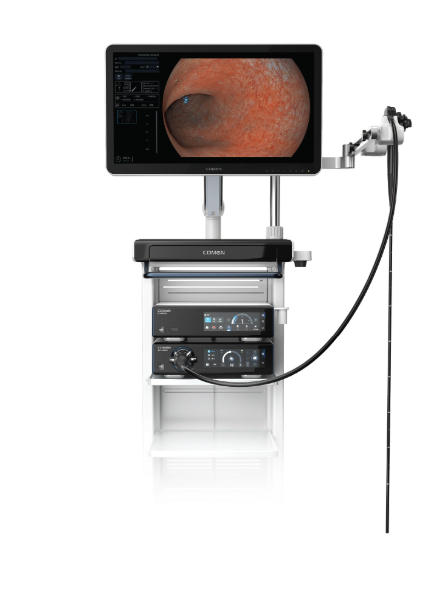
Forward-looking comparisons: choosing systems that cut real costs
Now I shift to what to look for next—this is where buyers win. I analyze systems by three dimensions: serviceability, sensor longevity, and field-replaceable modules. Compare a system with a sealed lamp assembly and proprietary distal tip to one with a modular light guide and user-replaceable distal lens: the latter reduces repair days and keeps the scope in service. When I audited procurement in Manchester in May 2021, swapping to scopes with replaceable distal tips cut average downtime from 7 days to 2 days—measurable savings. Wait—this matters because surgical schedules don’t pause for supply-chain lag. Also, choose devices with accessible firmware diagnostics and a robust warranty covering CMOS sensor drift; those two features reduce hidden failure costs.
What’s Next?
Technically, prioritize architectures that separate wear-prone parts (insertion tube, distal tip, biopsy channel) from core electronics; that design choice alone changes lifecycle cost. Look for scopes that use standard connectors and provide clear BOMs—so you can stock spares without overbuying. I often recommend evaluating failure logs from the vendor for a recent 12‑month window rather than marketing claims—real uptime data beats glossy brochures. Short list: colonoscope with reinforced insertion tube; gastroscope with replaceable distal tip; bronchoscope with certified light guide. Keep the jargon simple—CMOS sensor health, insertion tube integrity, biopsy channel flow—those are the metrics that predict the next repair call. (Yes, I check them.)
Three practical evaluation metrics I give every wholesale buyer: 1) Mean Time To Repair (MTTR) measured in business days, 2) Percentage of failures covered by user-replaceable modules, and 3) Verified sensor performance decline over 12 months (signal-to-noise ratio or contrast loss). Assess those, and you’ll spot which lineup truly lowers cost-per-procedure. Short interruption—remember paperwork and customs when you order internationally. In closing, act on measured performance, insist on modular design, and partner with vendors who share failure data openly. For reliable supply and sensible warranties, I trust vendors like COMEN.