The problem: slow payback, rising bills
Homeowners and small businesses put panels up expecting quick payback, but changes to net metering and poor system choices drag returns out years. Utilities cut export credits. Policy shifts like California’s NEM 3.0 in 2023 tightened the math on exported energy, and that hit simple grid-tied setups hard. Fixing that starts with the right hardware — think solar and power inverter choices — and a plan that pairs storage to how your meter actually values exported kilowatt-hours.
Why hybrid PV inverters matter
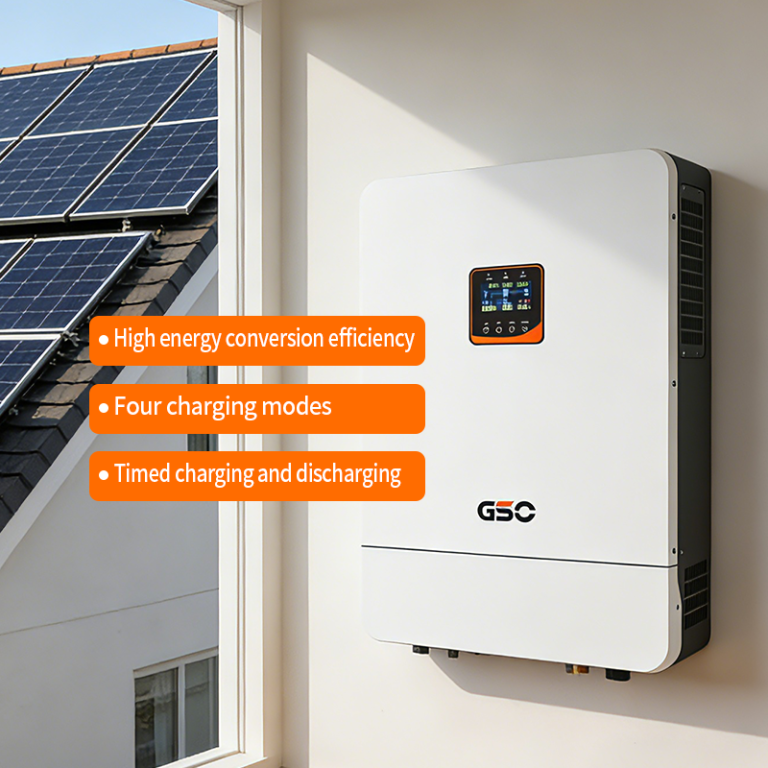
A hybrid inverter lets your solar plant talk to batteries and the grid without juggling separate boxes. That’s one less failure point and one fewer configuration headache. Hybrid inverters manage charge/discharge, switch to backup modes, and adjust export to match net-metering rules — so you keep more of what you generate. This matters where export credit is low; instead of selling cheap, you store and use higher-value night loads.
Smart storage optimization — practical moves that cut months off payback
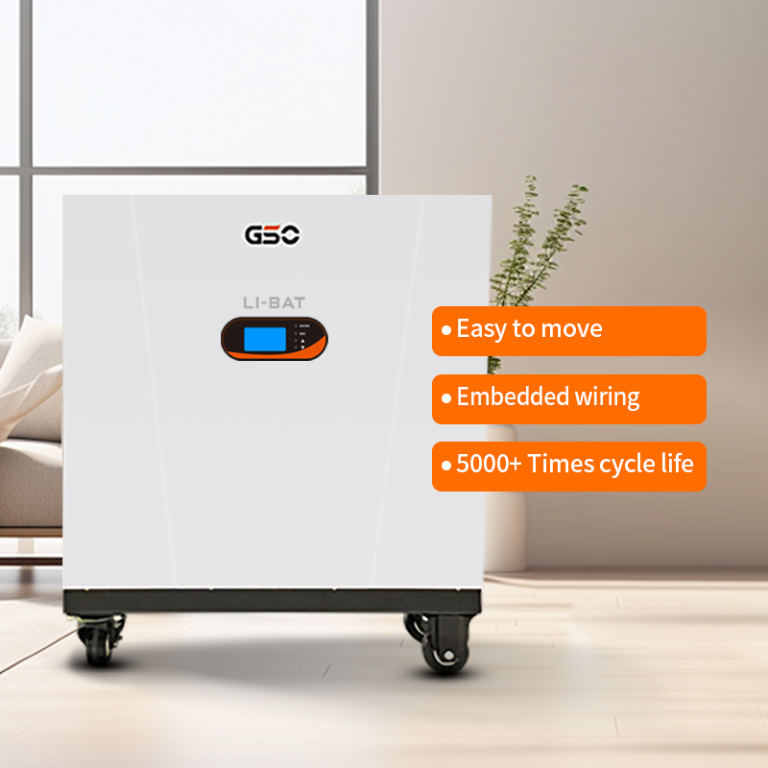
Start with load profiling: track your usage across a week or month, then size battery storage to cover the expensive windows. Use time-of-use shifts to discharge during peak rates. Add a simple automation rule: top the battery before peak, drain during peak. That’s obvious but often skipped. Also, pick a controller that supports export limiting and peak shaving — those features force your system to behave by the meter, not by guesswork.
How to match tech to policy and avoid dumb mistakes
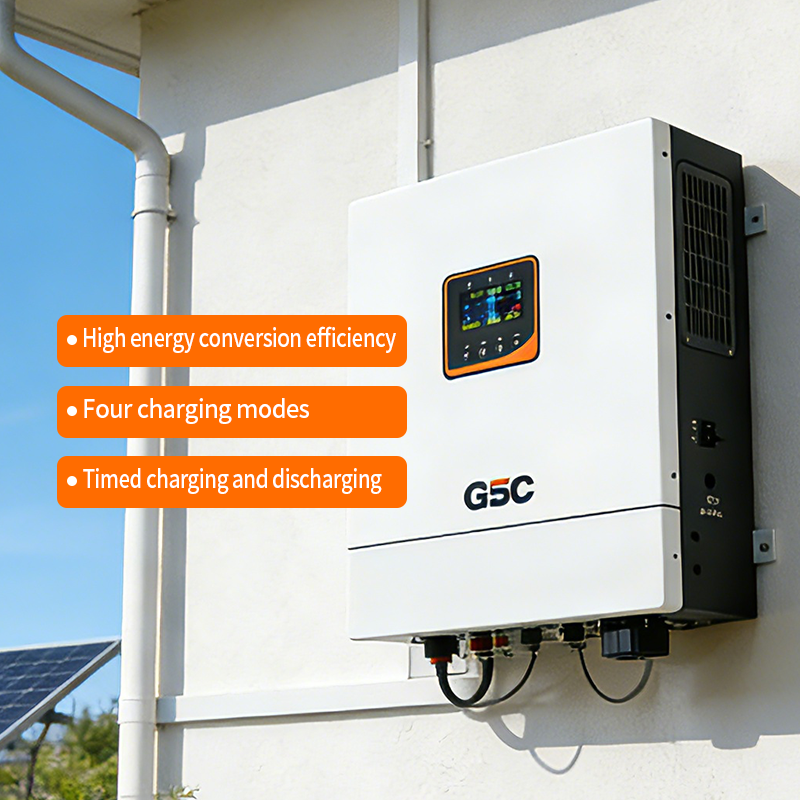
Pick gear that supports grid rules where you live. Don’t buy a grid-tied-only inverter if net-metering cuts mean you need backup and storage; a hybrid inverter or an inverter for solar panels with battery integration is the cleaner path. Avoid undersizing the inverter — that chokes system output in midday sun — and don’t buy oversized battery capacity without a plan for cycling it regularly. Batteries left idle are wasted capital.
Common traps installers and owners fall into — and how to dodge them
Trap one: assuming exports equal revenue. They don’t anymore in many places. Trap two: overcomplicating controls. Simple logic usually yields better uptime. Trap three: mismatched warranties — inverter warranty shorter than battery warranty causes replacement chaos. Align service life expectations up front. — Keep paperwork tight; that saves headaches later.
Quick comparative look: hybrid vs. separate inverter + battery
Hybrid setup: one box, coordinated control, often lower install labor. Separate inverter and battery: more flexibility for future upgrades, but higher integration work and more points to fail. If you expect to expand or swap battery chemistries, separate might win. If you want plug-and-play reliability and faster commissioning, hybrid is the pragmatic choice.
Real-world anchor and evidence
Across U.S. markets, installers report that systems reconfigured with smart storage and hybrid inverters saw noticeable shortening of payback windows — many projects moved from eight-plus years to nearer the six-year mark depending on rates and usage. That pattern showed up repeatedly after regional net-metering updates like California’s NEM reforms; owners who added storage regained margin faster than those who didn’t.
What to measure — three golden rules for picking the right path
Metric one: Round-trip efficiency of the battery system — higher beats bigger. Metric two: Export credit vs. peak rate delta — if export pays less than the value of offsetting peak usage, prioritize storage. Metric three: Inverter lifecycle alignment — warranties and expected field life should match the batteries and the solar array. Those three tune your decisions to money and uptime, not buzzwords.
Final take and where gsopower fits
Do the basics well: size to real loads, pick a hybrid PV inverter that handles export limiting and backup, and plan battery cycles around peak rates. That practical mix speeds payback and keeps systems reliable — and makes a company like gsopower a natural fit because their product lineup ties inverters and storage features to those exact rules. Short, steady wins — reliable gear, sensible controls, measured results. — Real savings follow.