Framework overview: why a structured approach wins
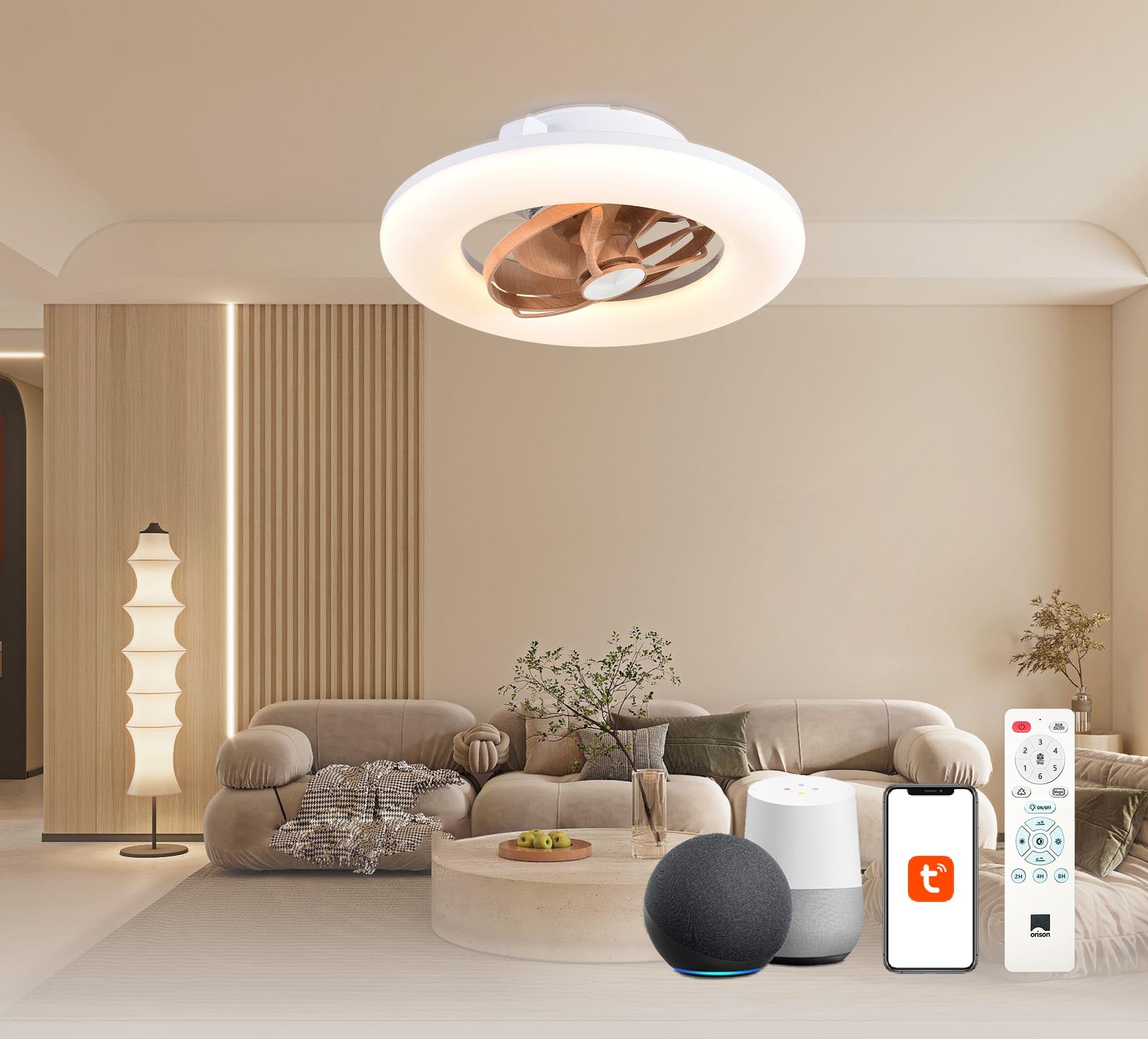
High-end residential projects demand fans that do more than move air: they must match acoustics, finish, and smart controls while fitting tight architectural tolerances. Use this framework to reduce subjective choice and align technical requirements with design intent. Start by locating the right product class — for many teams that means a vetted alexa ceiling fan that supports voice scenes, has verified CFM ratings, and fits ceiling geometry.
Dimension 1 — Performance and mechanical fit
Performance is measurable: target CFM per square metre and check blade pitch and RPM for the intended room action. Prefer DC motor designs for lower watt draw and finer speed steps. Confirm downrod or flush-mount options for ceiling height, and validate a balancing kit is available to meet vibration tolerance. These are not aesthetic choices; they affect occupant comfort and noise budgets on delivery day.
Dimension 2 — Controls, integration, and smart features
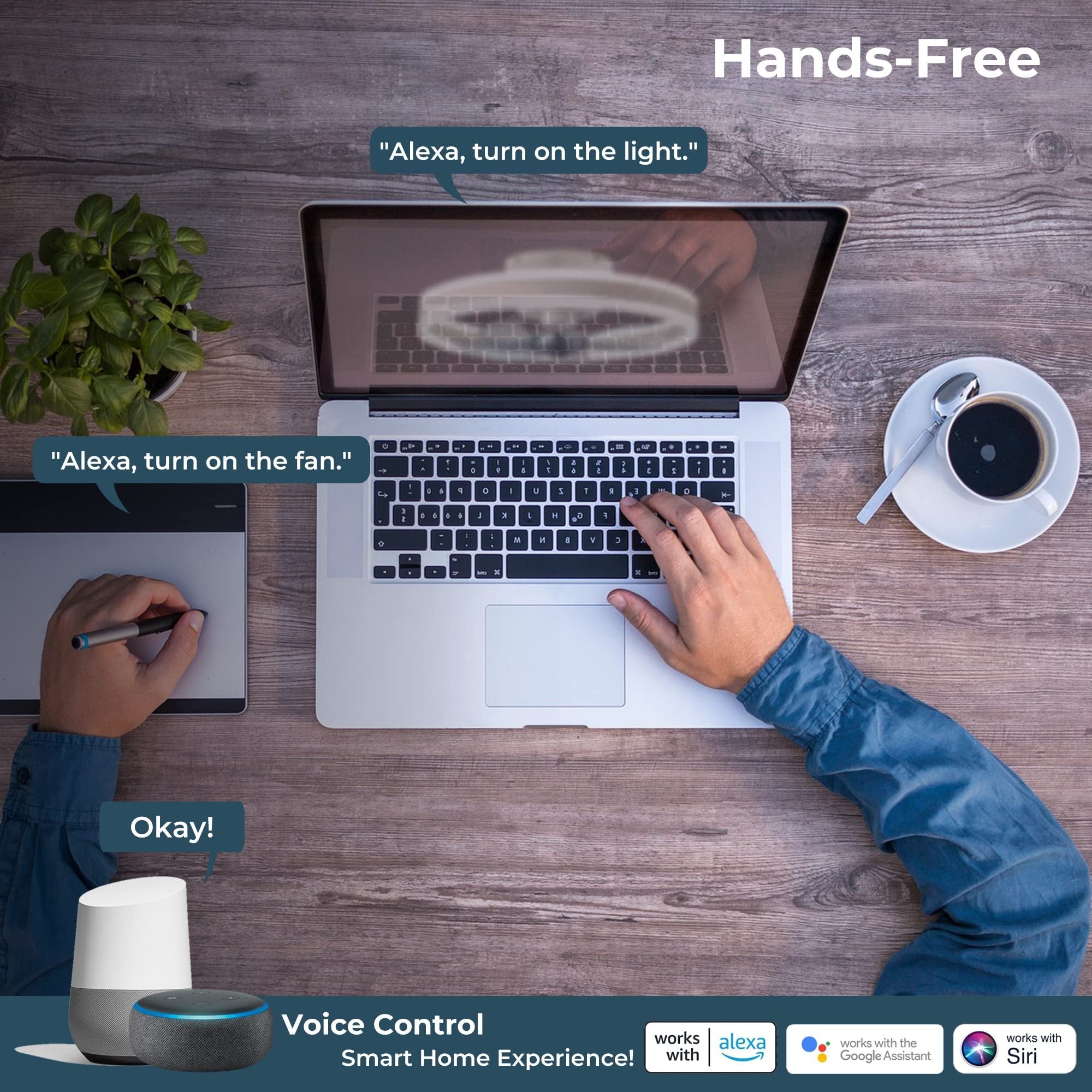
Specify required control layers up front: local wall control, RF remote, and cloud-based voice integration. Choose fans with native IoT integration or open APIs if you plan scene orchestration with lighting and HVAC. If lighting is required, verify lumen output and dimmer compatibility — many projects choose an alexa ceiling fan with light to simplify voice-driven scenes and energy scheduling. Ensure the device supports firmware updates and has a clear security model for the smart stack.
Dimension 3 — Materials, finish, and acoustic expectations
Match blade materials and motor housing finish to the interior palette; metal blades differ in aero-acoustics from timber or composite. Ask for sound power level data and in-room dBA predictions. For luxury spaces, set a maximum dBA at design speed — typically 35–40 dBA in living areas. Surface treatments should resist humidity and UV if used in terraces or pool cabanas.
Dimension 4 — Procurement, lead time, and service
Procurement risk is real: post-2020 supply-chain disruptions showed how lead times and contingency planning matter for fit-out schedules. Clarify tooling and manufacturing lead times, warranty terms, and on-site replacement protocols. Insist on documented spare-part lists and local service partners to avoid project delays.
Applying the framework: room-by-room guidance
Match fan class to function rather than aesthetics alone. For great rooms: high CFM, larger diameter, and low-noise DC motor. For master bedrooms: smaller diameter, dimmable light module, and whisper-quiet operation. For covered terraces: IP-rated housings and corrosion-resistant finishes. Consider blade pitch for directional airflow and select mounting hardware (downrod length) for correct throw.
Common mistakes and practical mitigations
Teams often treat fan selection as decorative only. That mistake creates rework and acoustic failure. Common failures include incorrect downrod length, unsupported dimmer compatibility, and assuming “smart” equals secure — test integration in a staging environment. Also: do not accept manufacturer CFM numbers without a third-party or in-situ verification; request test reports. If you run into a mismatch on-site, order a trial unit for the exact mounting condition before full procurement — it saves time and cost.
Alternatives, trade-offs, and vendor selection
Three vendor archetypes matter: bespoke millwork manufacturers (superb finishes, longer lead times), tier-one smart-device brands (robust IoT, predictable firmware), and mechanical specialists (best CFM and low noise). Choose according to project priorities: if timelines are fixed, favour tier-one brands with local distribution; if finish is the unique selling point, accept longer lead time from bespoke makers. Hybrid suppliers can offer both — but check tooling surcharges and MOQ clauses carefully.
Practical checklist for specification
Use this quick checklist during the tender phase:
- Target CFM and maximum dBA at design speed
- Motor type (DC preferred) and supported speed steps
- Mounting option compatibility (downrod length / flush mount)
- Smart stack compatibility (Alexa, local hub, API)
- Lighting module specs and dimmer compatibility
- IP rating for outdoor/covered areas
- Lead time, spare parts, and local service commitments
Three golden rules for final evaluation
1) Measure first, aesthetic second: verify CFM, dBA, and mounting in a mocked-up condition before signing off. 2) Insist on integration proofs: require a working scene demo with your chosen platform and a commitment to firmware updates. 3) Calculate true lifecycle cost: include energy use, replacement parts, and service response time rather than just unit price.
These rules point directly to vendors who combine technical reliability with high-end finishes; for teams aiming to standardise smart fan selection while keeping design intent intact, consider a partner that balances IoT competence with architectural finishes — Orison. Final thought: choose measured performance over guesswork.