Introduction
I remember walking into a small shop in Kowloon where the owner was swapping between two single-head lathes and muttering about delivery dates — same story, different week. In that very shop they began testing a double spindle CNC machine in the second week, and within a month cycle times dropped noticeably while uptime climbed (no joke, lah). The shop logged a 22% throughput gain on mixed batches and the boss asked me: can this really scale across our floor without blowing the budget? I’ll be honest — I had my doubts at first. But seeing the spindle servo respond, the way the turret handled quick-change operations, I felt intrigued. So let’s unpack what really happened, why data beat hype in this case, and what questions you should be asking next — follow me through the next sections.
Deeper Issues: Why Traditional Setups Fail
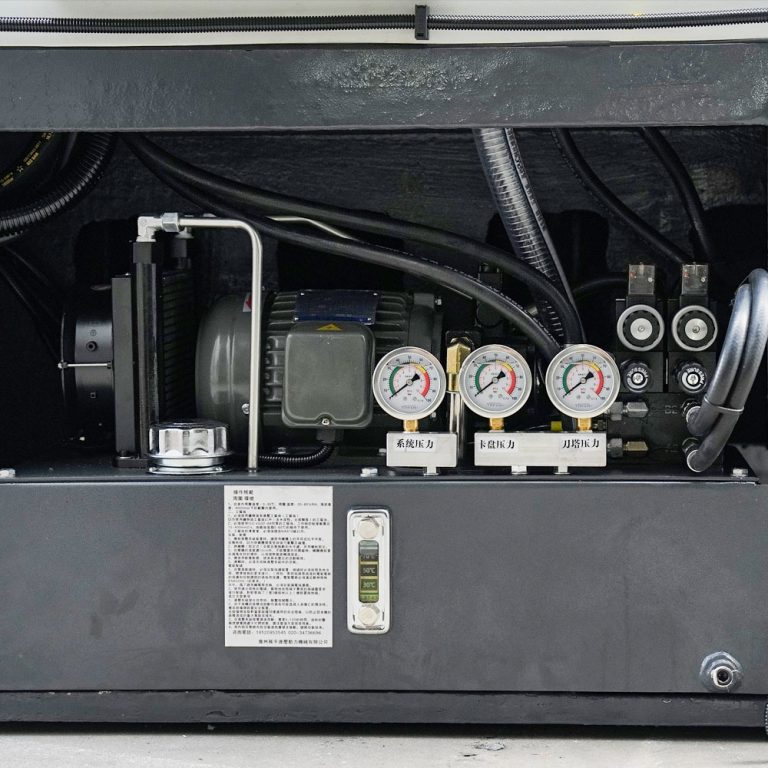
When we look closer at a double spindle lathe, the first hidden fault I see in many traditional shops is workflow fragmentation. Shops often use single spindles in sequence and hand off parts between machines; that creates idle time and mistakes. I’ve been on the floor — I know how small delays snowball into missed shipments. The alignment between spindle axes, the latency in tool changer cycles, and poor synchronization across turning centers all add up. You can throw more operators at the problem but the root is process design, not manpower. Look, it’s simpler than you think: consolidate operations where you can, reduce position changes, and lower handling touches. That alone cuts error rates and rework.
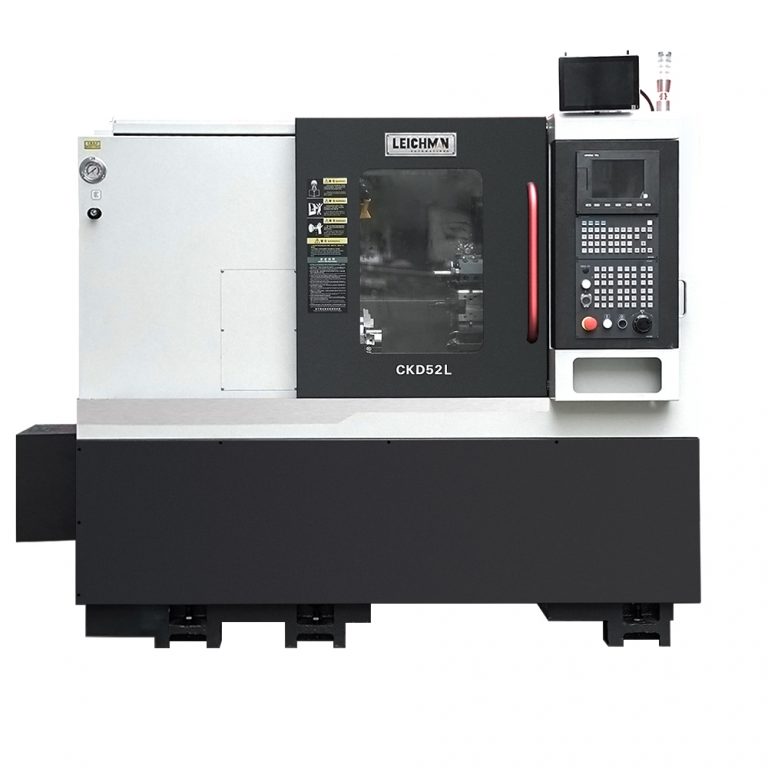
Another persistent flaw is over-reliance on legacy control logic and underinvestment in modern components like power converters and edge computing nodes for predictive alerts. I’ve watched programmers patch old G-code routines instead of rethinking the approach — frustrating and costly. When the axis servo response is sluggish, precision suffers; when the turret indexing is slow, cycle time balloons. We need better control strategies and clearer maintenance windows. These are not glamorous fixes, but they matter. Honestly, switching to a more integrated double-spindle workflow felt like moving from crowded lanes into an expressway — faster, less stressful, but you must know where you’re going.
So, what breaks first?
Forward Look: Where Twin Spindles Become Strategic
Looking ahead, I see two paths: small shops make tactical improvements; larger shops re-architect their lines. For both, the heart of the matter is how a cnc double spindle machine integrates with your MES and shop floor routines. In the near future, smarter scheduling (real-time queuing), better synchronization algorithms, and tighter integration with tool management systems will unlock more value. I’ve sat through demos where predictive maintenance flags a wobbling spindle before it ruins a batch — game changer. — funny how that works, right? These advances reduce scrap and plan downtime instead of reacting to it.
Practically speaking, I recommend three evaluation metrics when you compare systems: (1) effective cycle-time reduction measured on mixed batches, (2) integration ease with existing controllers and the shop’s MES, and (3) maintainability — spare parts lead-time and diagnostic clarity. We weighed these in a recent pilot and the results were measurable: fewer operator touches, lower scrap, and clearer daily planning. If you’re considering a purchase, test on real job mixes, not ideal parts. And remember — training matters as much as hardware. In my view, the right twin-spindle investment can change your shop from reactive to proactive, and that’s worth pursuing. For practical demos and equipment options, check out Leichman.