Comparative framing: small fixtures versus full-stage ambitions
One politely asserts that size matters only when you insist it does — and that is the starting line for comparing a compact waterproof moving head light to larger wash fixtures. This is a practical head-to-head: portability, IP rating, and control fidelity against sheer lumen coverage and wide-angle color mixing. Touring techs who have shipped racks to arena and festival sites will recognize the trade-offs instantly; the compact unit often arrives ready to work, while its larger cousin demands a small logistics team. For those interested in a compact, rugged fixture that behaves on location, consider the waterproof moving head light, which aims to shrink the problem without shrinking the performance. Terms to note up front: DMX, pan/tilt mechanics, and beam angle — all quietly decisive in the field.
Where compact heads genuinely earn their keep
Compact moving heads win on deployment speed, lower power draw, and rigging simplicity. Their smaller pan/tilt envelopes reduce the need for heavy trussing and cut load-in time for a touring crew. IP-rated builds mean rain at an outdoor festival — say, Glastonbury — does not send crews back to the van. You also get more flexible placement: front fills, aisle effects, and side accents that larger wash units simply can’t occupy without obstructing sightlines. Expect coherent beam control, crisp gobo projection, and a surprising amount of punch when the optics are well engineered. Practical signals here are beam angle, lumen output, and IP protection — three industry specs that separate a useful unit from theater decoration.
When a wash remains non-negotiable
Large wash fixtures still excel for uniform audience lighting, broad color mixing, and seamless color temperature control across a stage. If the production brief calls for consistent skin tones on performers while sweeping large stage areas, a miniaturized beam will not substitute; it will flatter the side and frustrate the front. Common mistakes include using beam fixtures for fill work and underestimating the importance of color rendering index (CRI) when camera work is involved. Maintain discipline in fixture selection: match the tool to the lighting objective rather than fitting objectives around a favored toy.
Alternatives, common errors, and an honest aside
There are direct alternatives to compact moving heads — full-size wash lights, hybrid fixtures with motorized zoom, and dedicated mini-beam arrays. The hybrid route can be tempting: one unit, many roles, fewer boxes. Yet hybrids often compromise on optics or thermal design, and crews find them complicated during patching. A frequent operational mistake is ignoring DMX addressing strategy and insufficient thermal clearance — both create runtime failures. On tour, a well-chosen mini beam moving unit can replace two awkwardly sited fixtures — and then quietly prove its value during load-out. — This is not conjecture; it’s a pattern observed in multiple arena tours and mid-size festivals where space and weight budgets dominate decisions.
Practical checklist before purchase
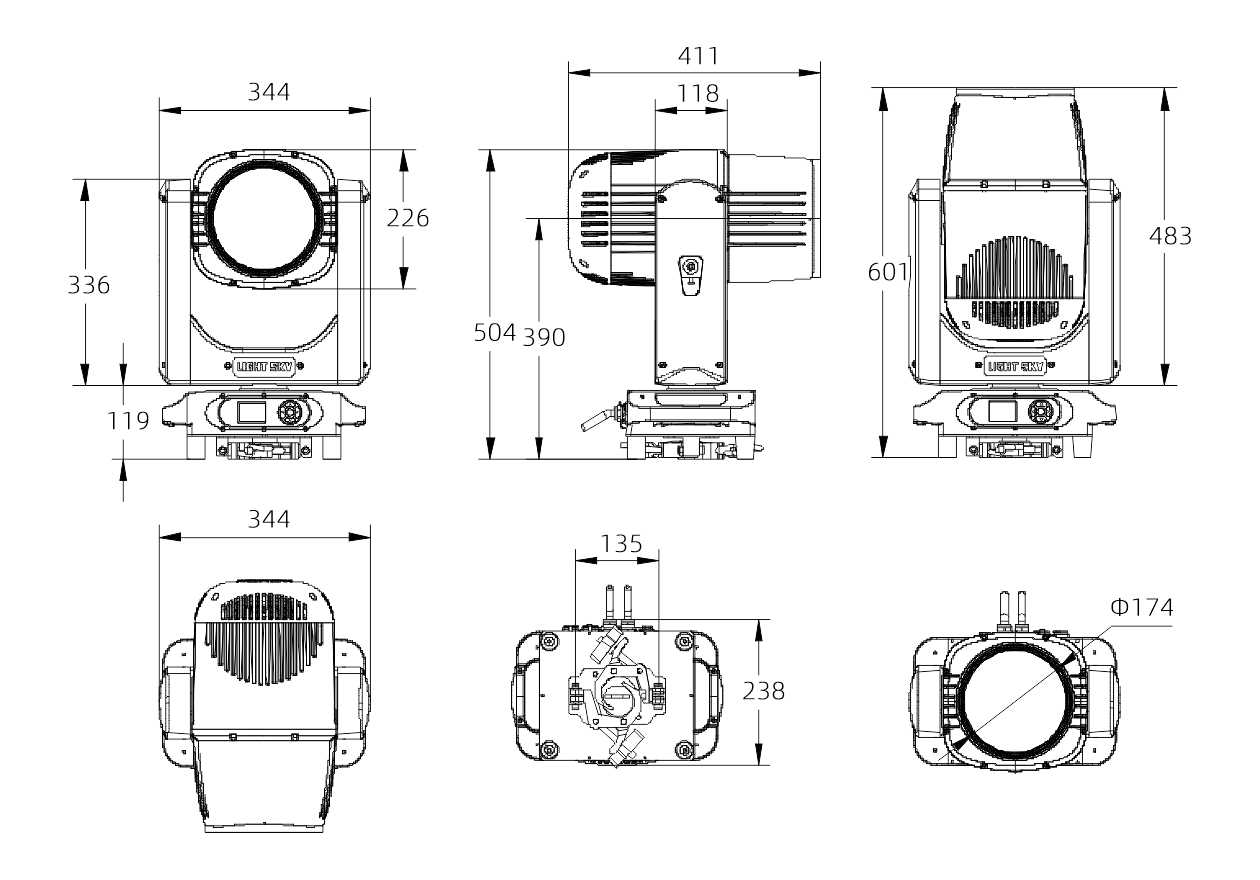
Evaluate these areas before committing: 1) Environmental robustness — verify IP rating and corrosion-resistant materials; 2) Optical capability — check beam angle range, available gobos, and lumen output versus required throw; 3) Control and protocol support — confirm DMX, sACN/Art-Net compatibility and reliable pan/tilt precision. Add checks for serviceability: accessible fans, replaceable lenses, and clear firmware update paths. These items stop surprises on day one of tech rehearsal.
Advisory close: three golden selection metrics
Durability — prioritize a proven IP rating and serviceable components; this reduces downtime and replacement costs. Optical performance — favor transparent specs: beam angle, lumen curve over distance, and gobo sharpness, because these determine visual impact. Control flexibility — insist on modern protocols (DMX + network options) and predictable pan/tilt behavior; it saves hours in programming and eliminates awkward macro workarounds. Those three measures deliver predictable results for touring productions. In practice, choosing a compact moving head that meets these rules produces fewer late-night fixes and steadier shows — a sober relief for any lighting director. Light Sky. —