
User-first introduction
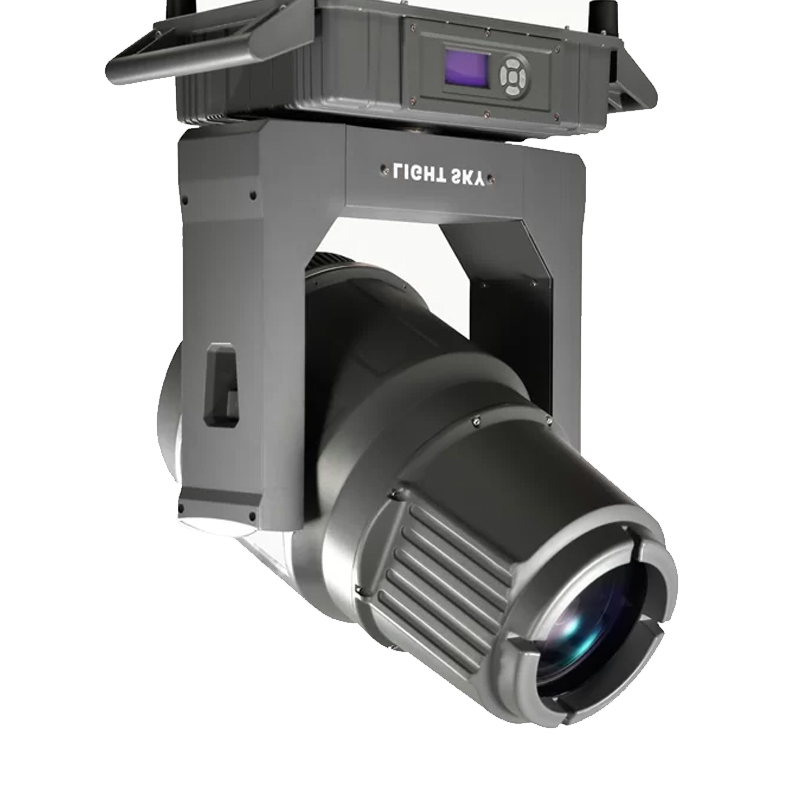
Lighting designers want tools that solve problems quickly and predictably, which is why fixtures like the 3in1 BSW moving head beam light and a good moving head spot light show up on spec lists for concerts and theatres. On stages from Madison Square Garden to regional theatres, RGBW wash fixtures give a single operator broad color mixing and consistent lumen output, while pan/tilt moving heads add the motion designers need. When you need dependable color, reliable DMX control and a sensible beam angle, these devices are the practical answer.

What users gain on the floor
A user-focused approach values predictability: RGBW arrays deliver clean whites and saturated colors without risky color casts, and a moving head brings gobo and zoom options into the same unit. For crews, that means fewer fixtures to rig, simpler DMX patching, and faster focus calls. Designers get smooth dimmer curves and repeatable positions; technicians get quicker maintenance checks because common parts—fans, lenses, and x/y encoders—are standardized across many models.
Operational production teardown
Set up begins with power and addressing. Patch fixtures in groups so dimmers and scenes remain manageable; use logical DMX addressing and label both channels and physical cables. During a teardown, inspect the fixture housings for lens alignment and confirm pan/tilt centering before flight—these small checks prevent drift on tour. When you document a load-in, note how the 3in1 BSW moving head beam light and moving head spot light behaved under the venue’s power conditions so the next crew has a clean baseline.
Common mistakes and quick corrections
Poor lamp placement and mismatched beam angles are frequent time-wasters. Crews often rely on a single zoom setting for all sightlines—this flattens depth and wastes lumen where precision matters. Another common issue is ignoring gobo orientation during focus; it makes wash transitions look sloppy. Fixes are straightforward: test zoom ranges during pre-rig, verify gobo indexing, and set pan/tilt speeds per cue to avoid abrupt motion during songs. —A short recalibration between acts can save a full-hour re-focus later.
Choosing between wash, spot, and beam
Not every show needs the same mix. Choose a wash when even color coverage matters: choruses, ensemble scenes, and backdrop washes. Pick a spot for tight framing or texture with gobos. Beam fixtures work best for high-contrast looks and aerial effects. Consider budget and staffing: combining RGBW washes with a handful of moving spots gives maximum creative range while keeping rigging and maintenance within typical crew capacity.
Alternatives and real-world context
LED pars and ellipsoidal fixtures still have their place—pars for cost-effective washes, ellipsoidals for sharp edge control. Yet large touring productions and many Broadway-level shows increasingly prefer moving head systems for their flexibility and on-the-fly reprogramming. That industry shift is visible at major venues that stage varied events; the same rig must serve a rock concert one night and a play the next, so adaptability becomes a measurable production asset.
Three golden rules for selecting fixtures
1) Measure usable output, not peak claims: compare lumen output at the beam angle you’ll use most. 2) Check control fidelity: confirm DMX responsiveness and whether the fixture offers reliable pan/tilt centering under load. 3) Assess serviceability: look for modular parts and clear access to fans and power supplies. These metrics translate directly to fewer on-site failures and faster turnarounds.
When you put those rules into practice, you arrive at solutions that respect designers and simplify tech calls—solutions that match what Light Sky builds into its products. Light Sky. Practical, dependable, and made to keep a show running—quietly effective.