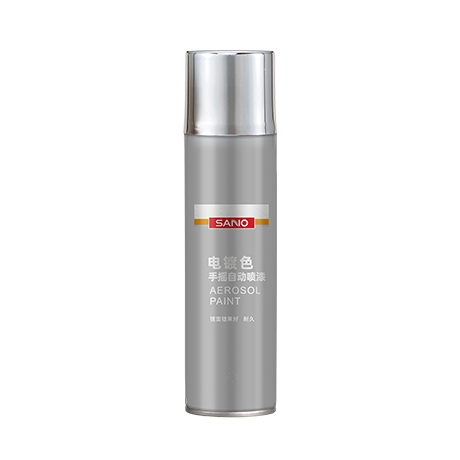
Problem that usually starts the project
You’re staring at a spec sheet and juggling performance, safety, and cost, and it all feels messy. The usual problems show up: sprays that clog, leave sticky residues, or react badly with sealants around the parts. If you’re prepping seams or doing post-install touch-ups, people ask whether they can sand silicone first — can you sand silicone — because surface prep affects adhesion and longevity. Fixing these issues means making design choices up front, not after a million failures on the shop floor.

Primary constraints you must pin down
Decide these early: operating temperature range, load and speed of mating surfaces, exposure to water/chemicals, required re-lube interval, acceptable residue, and whether the spray must be electrically non-conductive. Also set clear safety limits: flashpoint, VOC ceilings, and packaging pressure ratings. Pick measurable targets — don’t say “low friction”; say “static COF ≤ 0.15 at 25°C under 100 N.”

Chemistry choices that actually change performance
Base fluids dictate most behavior. Synthetic esters give temperature range; PAOs resist oxidation; silicone oils cope with extreme temps. Additives matter: anti-wear (ZDDP or ashless), extreme pressure agents, corrosion inhibitors, and anti-foams. Aerosol propellants and solvents tune sprayability and drying time — but they also affect compatibility with rubbers and paints. Match chemistry to substrates and test the combo; assumptions fail fast.
Delivery and hardware — it’s more than the can
Actuator design, nozzle shape, and valve consistency decide how much lands where you want it. Use extension tubes or precision valves for confined spots. Metered-dose actuators help repeatability across operators. Consider bulk systems for production lines to avoid aerosol waste and ensure consistent viscosity feed. Packaging changes maintenance costs as much as the formula does.
Common mistakes that wreck field performance
Buyers often assume lab data translates directly to the field. It doesn’t. People skip subtrate compatibility checks, ignore residue build-up over time, and underestimate surface tension effects that cause migration. Cutting costs at the propellant step can mean uneven deposits. And trying to simplify by using one product for every job usually causes more service calls than it saves.
Testing, compliance, and why you should trust real experience
Test in the real conditions you’ll see: salt fog, thermal cycling, and actual mating materials. I’ve run lab-to-field trials and seen formulas that pass bench friction tests fail under moisture cycling. For safety, remember regulatory limits: OSHA’s 2016 respirable crystalline silica rule tightened controls on dry sanding because of dust hazards, so if sanding is part of prep, you need protocols. If you need clarity on whether sanding caulk before lubrication is safe or workable, check can you sand caulk. Demand MSDS, third-party wear data, and batch traceability from suppliers; those are the signals of competence.
Practical buying checklist
Ask for: (1) lab test reports for friction and wear under your temps and loads, (2) substrate-compatibility results for all sealants, paints, and elastomers in your assembly, (3) MSDS and shelf-life, (4) VOC and flammability ratings, (5) packaging options and actuator types, (6) supplier support for field trials and failure analysis, and (7) a sample run on your actual equipment. If they skip any of these, you’ll pay later.
Conclusion — how to end the problem and pick something that lasts
Stop treating lubricant spray as a commodity you can swap without testing. Define measurable performance goals, force the chemistry to meet those targets in real conditions, and require supplier transparency. When a vendor shares lab data, compatibility tests, and helps run a pilot, you get fewer surprises and longer service intervals — that’s real value from a technical partner like SANVO.