مقدمة مقارنة مركزة
أنت تفكر في سيارة كهربائية تلبي احتياجات التنقل اليومي مع تكلفة تشغيل معقولة — وهذه مقارنة عملية ستوفر خلفية صادقة قبل قرار الشراء. في السوق السعودي تتزايد الخيارات، وقرارك يصبح أسهل عندما تقارن المواصفات الحقيقية وخدمات ما بعد البيع. للاطلاع على العروض المحلية والتوافر يمكن البدء من هنا: GAC MOTOR للبيع. سنقارب الموضوع بأسلوب مقارن يركّز على ما يهم المستخدم، بصوت مهني متعاطف يقرّ بحساسيات الميزانية والراحة.

لماذا المقارنة مهمة الآن
الطلب على المركبات الكهربائية نما عالمياً، وفق تقارير الوكالة الدولية للطاقة، ما دفع مزوّدي السيارات لتقديم نماذج متعددة وتسهيلات بيع. هذا الواقع يخلق فرصاً لمشتري يملك معايير واضحة: مدى السير، زمن الشحن، وتوافر صيانة محلية. ضمن اللغة الهندسية البسيطة سنستخدم مصطلحات مثل محرك كهربائي، نظام بطارية ليثيوم أيون، وشاحن سريع DC لتوضيح الفوارق التقنية دون تعقيد زائد.
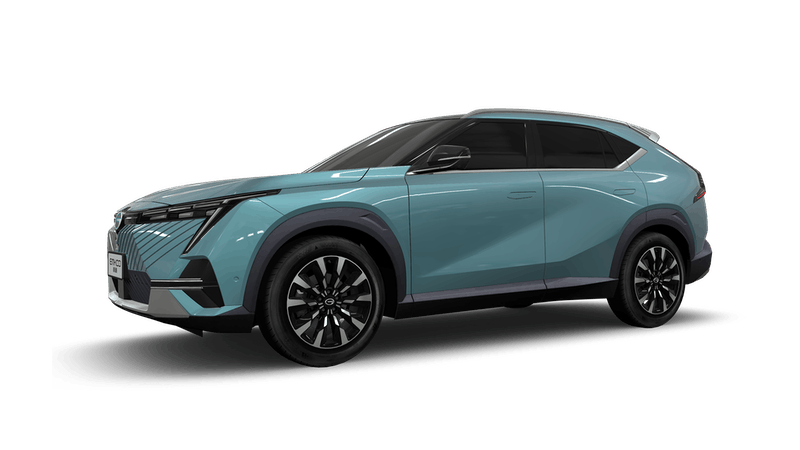
كيف تقارن سيارة Aion مع بدائل السوق
بالمقارنة، سيارة Aion تقدم عادة نطاق سير تنافسي وكفاءة بطارية جيدة بالنسبة لسعرها. مقابل ذلك، بعض الطرازات من علامات أخرى قد تعوّض بميزات مساعدة القيادة المتقدمة (ADAS) أو شبكة شحن أوسع. النقاط الأساسية للفحص العملي: النطاق الفعلي في ظروف مدينتك، قدرة الشحن السريع، وسمعة الوكيل المحلي في الصيانة وقطع الغيار — لأن تجربة الاستخدام اليومي تحدد القيمة الحقيقية.
عوامل عملية يجب قياسها قبل الاختيار
قائمة تحقق عملية قبل توقيع العقد:
– نطاق السير (المدى الفعلي) وفق ظروف القيادة المحلية.
– زمن الشحن وسهولة الوصول إلى شواحن DC سريعة على طرقك المعتادة.
– تكلفة الصيانة السنوية وضمان البطارية (مدة الكفالة وشروطها).
– توفر قطع الغيار وخدمة ما بعد البيع لدى الوكيل المحلي — هذا عنصر غالباً ما يُهمل لكنه يحسم الراحة والإنفاق على المدى المتوسط.
ملاحظة بسيطة — تحقق من بروتوكول اختبار مدى السير لدى الوكيل: هل يعتمد معيار WLTP أو قياس المصنع الداخلي؟ التفاصيل التقنية الصغيرة هذه تؤثر على توقعاتك الواقعية.
تجربة السوق المحلية والمرتكز الواقعي
في مدن مثل الرياض وجدة، البنية التحتية للشحن في تحسّن مستمر، لكن الانتشار لا يزال متبايناً بين المناطق. هذا يفرض اختيار طراز ببطارية ونطاق يناسب يومياتك. أيضاً، مقارنة العروض التمويلية وخيارات الضمان بين الموزعين يمكن أن تغيّر التكلفة الوظيفية للملكية. الاعتماد على بيانات سوقية موثوقة يسهّل التقييم — الوكالة الدولية للطاقة وغيرها توضح اتجاهات الطلب، بينما تجارب المستخدمين المحليين تعطينا صورة عن الدعم العملي.
خلاصة عملية: ثلاثة معايير ذهبية للاختيار
أوصي بقياس الخيارات عبر ثلاثة مؤشرات واضحة قبل الشراء:
1) مدى السير الفعلي مقابل سعر الوحدة: القيمة تُقاس بالمسافة التي تحصل عليها مقابل كل ريال.
2) دعم ما بعد البيع والضمان: طول الضمان، شروط استبدال البطارية، وتوافر مراكز الخدمة المحلية.
3) زمن الشحن العملي وشبكة الشحن: لا يكفي أن تقرأ عن قدرة الشحن، بل راجع خريطة الشواحن في محيطك وخطط رحلاتك اليومية.
هذه القواعد النفسية والعملية ستُبقي قرارك متمحوراً حول الاستخدام اليومي لا حول المواصفات النظرية فقط. GAC MOTOR يقدم نماذج وخيارات دعم تناسب مشتري يبحث عن توازن بين السعر والخدمة — وهذا ما يجعل المقارنة أداة حاسمة. — النهاية.