Tell me what you actually build
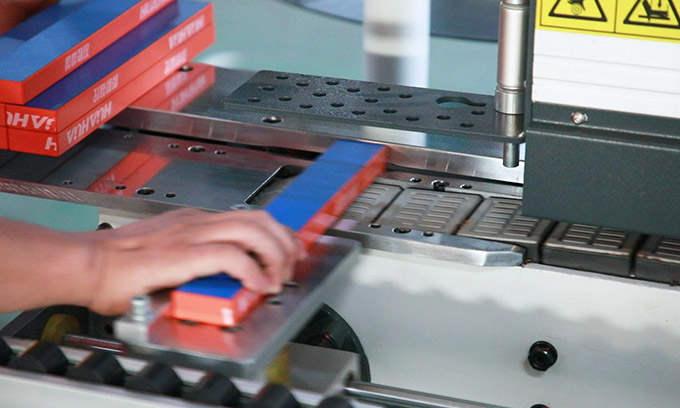
Are you doing one-off cabinets or full production runs? Your answers steer everything — tooling, cycle time, waste and budget. If you need repeatable clean joints and fast changeovers, consider a servo edge banding machine for controlled feed and consistent glue application. Shops around Shunde, Guangdong, are a good real-world signal: many mid-size makers there standardize on high-quality furniture edge banding to hit daily quotas without rework.
What matters to you — speed, accuracy, or flexibility?
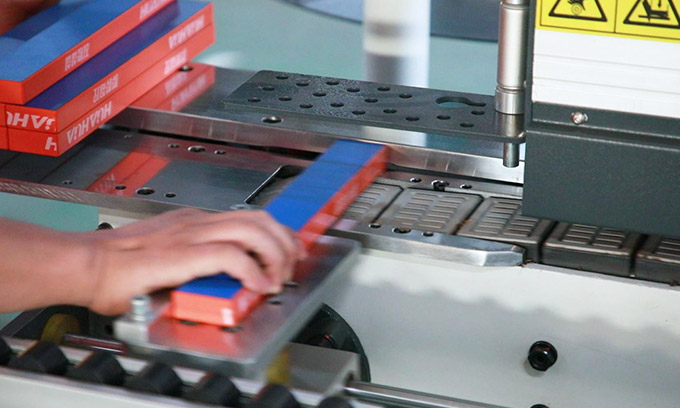
Pick one primary requirement. Speed wins for batch shops: look for machines with fast preheating, steady feed, and robust motors. Accuracy matters for high-end cabinets: prioritize precise trimming units, consistent glue lines, and tight tolerances. Flexibility is key if you switch profiles or materials often: quick-change cutters and programmable profiles save hours. Decide this early — it narrows realistic brands and models.
Must-check features (no fluff)
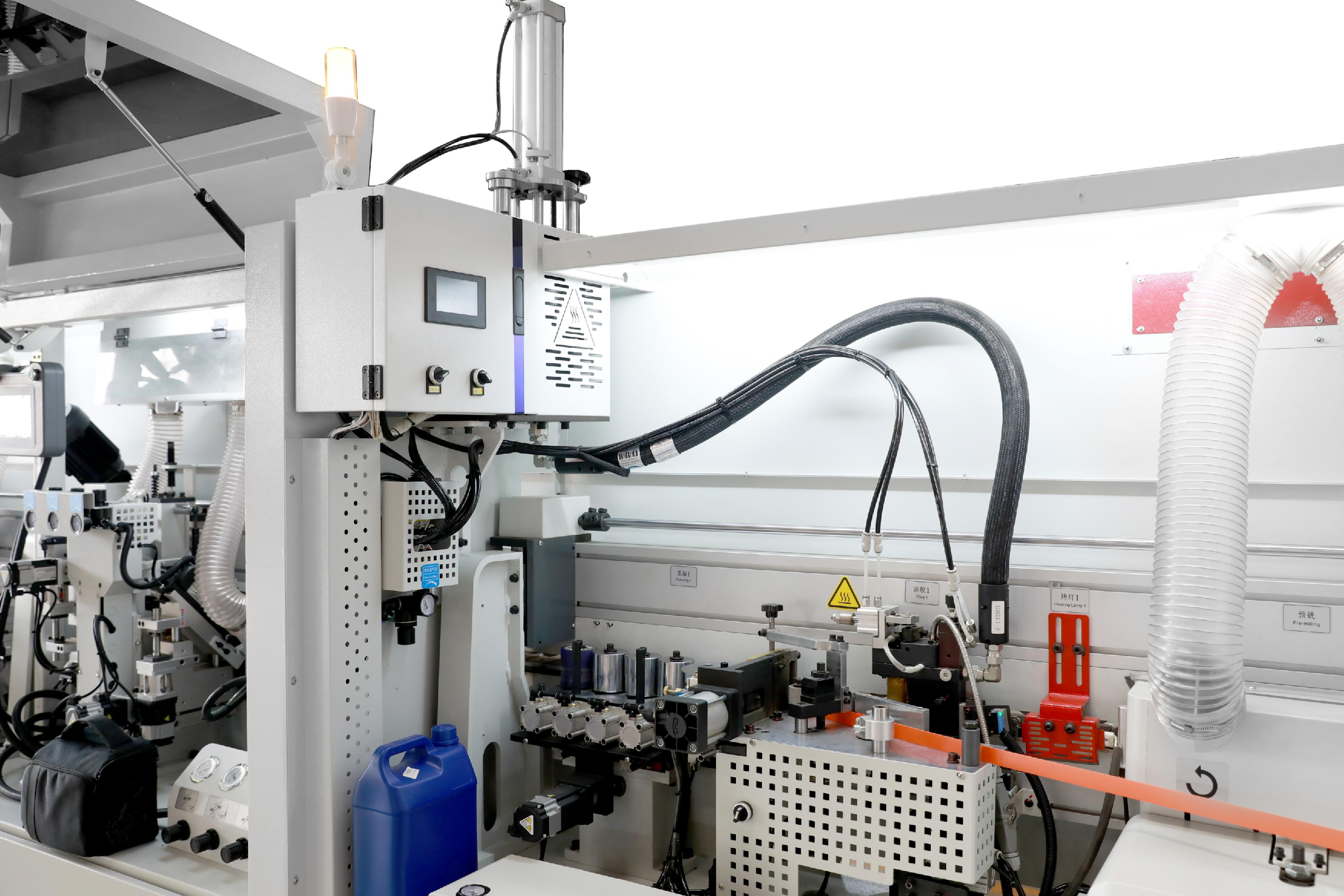
Check these items before you sign anything: solid feed rollers (no slipping), temperature-stable glue systems, replaceable trimming heads, and clear diagnostics. Drive type matters — servos give repeatable positioning; cheap belt drives drift over a season. Also confirm spare-part availability and local support; downtime kills margins faster than a higher purchase price.
Common mistakes I see users make
They buy for specs instead of workflow. A top-speed machine won’t help if your material prep is slow. They underestimate training — operators need hands-on startup support. They skip site-fit checks: floor level, power, dust extraction all affect edge quality. Finally, ignoring glue chemistry causes failures — match adhesive to substrate and environment.
Quick alternatives and when to pick them
If budget is tight, a semi-automatic unit can be fine for custom shops that don’t need nonstop cycles. For simple straight-edge work, smaller roll-applied edge banders keep cost and maintenance low. For full-line production, inline systems with pre-milling and end-trimming cut rework time. Match the machine class to daily throughput, not hypothetical future growth.
Hands-on tips for setup and testing
Start with a test run on your actual parts. Check edge adhesion after 24 hours, and inspect trims under consistent light. Log faults and adjust feed speed, glue temperature, and trimming depth in small steps. Keep a spare cutter set and a maintenance checklist — predictable maintenance prevents surprise rejects.
Wrap-up: pick what keeps your shop profitable
You want reliable edges with the lowest total cost of ownership. Focus on the machine that fits your workflow, offers accessible support, and preserves finish quality. That practical fit is what makes a supplier worth trusting, which is exactly what I look for when evaluating equipment from brands like HUAHUA CNC.