
From initial research to a useful brief: reviewing Single Gas Detector through documentation shortlisting
Describe the operating context before comparing pages
When a technical buyer begins researching a single gas detector, the first task is not to select a model. It is to define the decision context that the documentation must address. Record the intended work setting, the gas or gases of interest, the people who will use the instrument, and any interfaces with existing equipment. These points form the boundary for later comparison. Without them, a feature list can appear relevant while leaving the central procurement question unanswered.
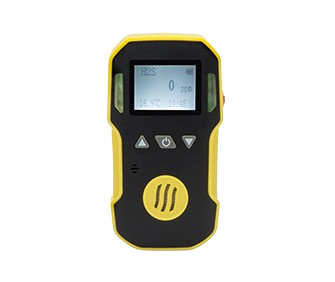
A shortlisting brief should separate confirmed requirements from working assumptions. A confirmed requirement might be a named gas target or a required alarm indication. An assumption might concern how the device will be carried, stored, maintained, or integrated into a wider process. The distinction matters because a product page may describe a feature without establishing that it meets a particular site, operating, or compliance requirement.
Use a simple opening record with four fields:
- Operating context: describe the task and environment in neutral terms.
- Required function: state what the detector must indicate or communicate.
- Documented evidence: copy the relevant wording and identify its page location.
- Open question: note what still needs a technical answer before selection.
This structure keeps the brief useful even when the initial source material is limited. It also prevents general expectations from being mistaken for specifications.
Identify compatibility and responsibility questions
Compatibility is broader than whether a product appears in the right category. A buyer should consider whether the documented gas target, alarm method, operating conditions, physical use, and information output correspond to the stated task. These are screening questions, not conclusions about any particular model.
Responsibility should be recorded alongside each requirement. The buyer may define the application, an engineer may establish the technical interface, and a supplier may clarify how a listed feature is configured. The brief does not need to assign responsibility permanently. Its purpose is to show who must resolve each question and what evidence would close it.
For each candidate, build a comparison table with columns for requirement, exact page statement, scope, status, and follow-up owner. Use statuses such as “documented”, “partly described”, and “unresolved”. Avoid translating “partly described” into approval. It means only that the wording has been found, not that the requirement has been demonstrated.
Use page-level evidence carefully
The phrase single gas detector should be treated as a search and category term until the documentation establishes a narrower scope. A page title, catalogue description, or general feature list may help locate a candidate, but it should not automatically answer questions about certification, site suitability, measured performance, or installation responsibility.
A useful review keeps the product, page, and claim together. For example, the Bosean BH-90A page lists adjustable low and high alarm levels and visual, audible, and vibration alarms. That is a page-level description of the listed feature set. It does not, by itself, establish a particular certification status, safety outcome, configuration for a specific site, or suitability for every operating condition.
When copying evidence into a brief, preserve the model name and source location. Then write a separate interpretation in cautious language. “The page lists an adjustable alarm level” is different from “the detector will provide the required alarm response”. The first records published information. The second would require a defined application and supporting technical basis.
The same discipline applies to numerical specifications. Record the value, unit, condition, and model scope as presented. Do not transfer a specification from one product page to another. If a requirement cannot be mapped to a clear statement, leave its status unresolved rather than filling the gap with a category assumption.
Plan the next technical discussion
Once the evidence table is complete, turn unresolved points into focused questions. Ask which gas target and configuration apply to the proposed task, which alarm behaviours are documented for that configuration, and which operating conditions are covered by the published specification. Ask also how the stated feature relates to the buyer’s interface or workflow, without presuming that the page has already answered that question.
Keep questions narrow enough to receive a precise response. “Is it suitable?” is usually too broad for a useful brief. A better question identifies the model, requirement, operating condition, and evidence gap. The answer can then be attached to the relevant row instead of becoming an informal statement that is difficult to audit later.
A final review should contain three parts: the requirements that are clearly described, the evidence that applies only to the named model or page, and the points that require further technical discussion. This makes the document practical for procurement while keeping its claims proportionate to the source material.
For a focused discussion with Bosean, use the brief to connect each question to its exact requirement and page evidence. That approach does not replace technical review; it makes the review more structured, transparent, and easier to continue when additional information becomes available.