Start here: define your priority
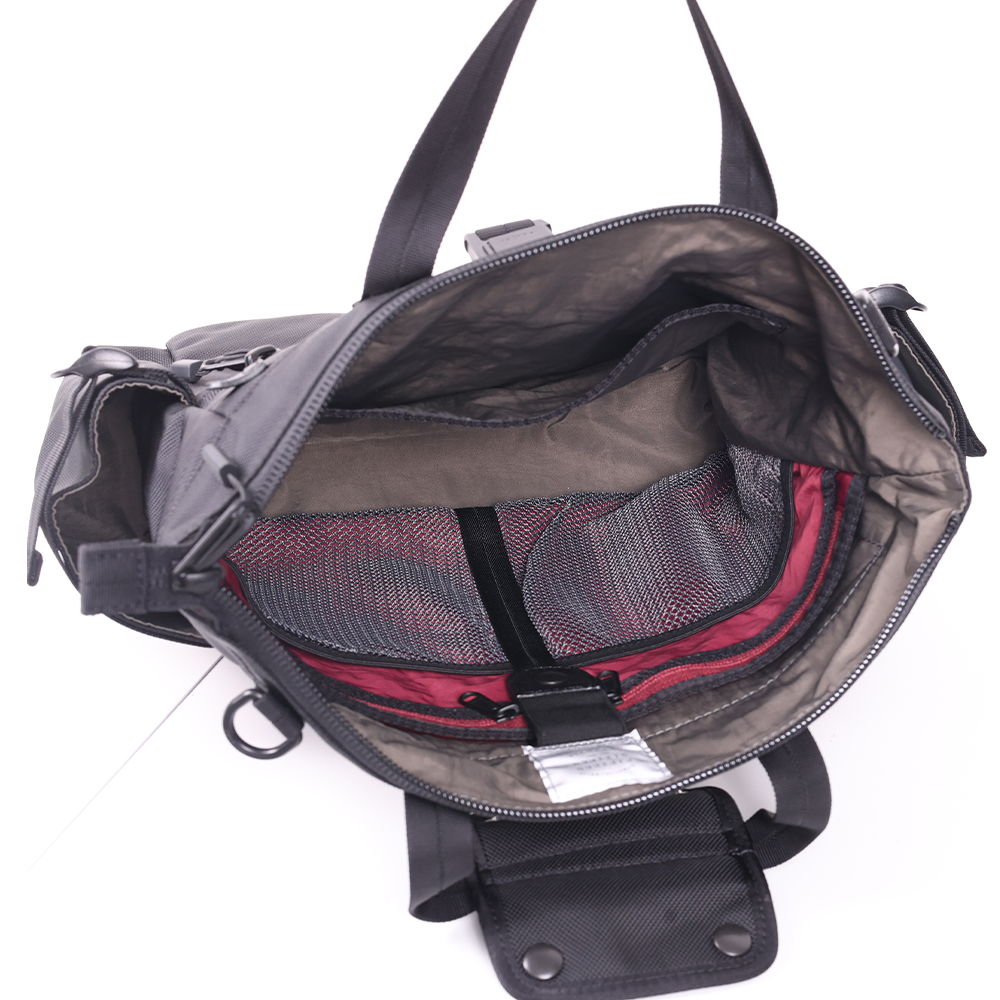
You want a bag that performs and arrives when promised — nothing fussy, just reliable. Start by listing the must-haves: capacity, padding, weather resistance, and finish. If you photograph often and need organization, test a camera gear bag early to confirm pocket layout and padding before you order in volume — that single sample tells you more than a long email chain.

How to vet a supplier without wasting time
Ask for recent photos of finished units, not factory stock shots. Request an actual sample and insist on full measurements and seam photos. Check business licenses and export records, but trust the product: a supplier who welcomes a factory visit or live video inspection is easier to work with. If they dodge details about materials or stitching, walk away.
Costs, MOQ and negotiation that make sense for you
Price is important, butMOQ and unit quality determine real cost. Calculate landed cost per unit (unit price + shipping + duties + inspection) and compare that to your target margin. Ask if MOQ can be adjusted with a small upcharge; many suppliers will accept a slightly higher per-unit price for a smaller run. Pay deposits in stages tied to milestones: sample, production start, and shipment.
Quality control and common material choices
Decide materials up front: nylon, polyester, canvas, or leather. Each ages differently; leather gives character but needs care, canvas is durable and approachable. Require testing for water resistance and zipper cycles where necessary. Use a third-party inspector for first large shipments to confirm seam strength, hardware quality, and correct padding thickness.
Shipping, lead times and realistic schedules
Expect samples in 2–4 weeks, small production runs in 4–8 weeks, and full production up to 12 weeks depending on complexity and season. Plan around Chinese New Year and other regional holidays — they add delays. Specify FOB or CIF terms clearly and get an estimated freight time; late shipping is usually a coordination issue, not a mystery.
Experience, expertise and trustworthiness
Working with partners based around Shenzhen’s manufacturing hubs taught me which questions reveal a reliable workshops’ rhythm: who manages tooling, how they handle rejects, and whether they publish lead-time calendars. For many buyers comparing bulk pathways, researching camera bag wholesale options is a practical next step because those listings expose MOQ patterns and factory capabilities quickly.
Common mistakes first-time buyers make
Relying only on charming photos. Skipping a physical sample. Accepting vague delivery dates. Forgetting to confirm zipper type and hardware finish. Each seems small until a full batch arrives with different colors, weak stitching, or the wrong foam. Avoid surprises by writing specifications into your purchase order and checking samples against that sheet every time.
Alternatives worth considering
If you need faster turnarounds, look for local assemblers who will mount imported panels and finish units domestically. If customization is minimal, small-batch makers in nearby provinces can reduce shipping and allow faster revisions. If brand consistency matters, pick one factory and scale with them rather than flipping suppliers every season.
Synthesis: choose clarity, then scale
Start with clear specs, test with a real sample, and insist on simple milestones. That practical discipline reduces surprises and builds a working relationship where quality and timing align. For buyers who value open communication and consistent finishing, a supplier like ChangRong often fits into longer-term sourcing plans because they combine visible samples, transparent timelines, and repeatable manufacturing processes.